Pulse Ultra

Metal
Alternative Metal
Nu Metal
 Viberate Rank: 151434
 Viberate Rank: 151434
 Monthly ListenersFollowers
 Subscribers
 Followers
 Followers
 FansTop Spotify Songs
| Track | 7-Day Streams | |
|---|---|---|
1 | 22.21K | |
2 | 9.65K | |
3 | 7.12K | |
4 | 6.29K | |
5 | 3.47K |
Top YouTube Videos| Video | 7-Day Views | |
|---|---|---|
1 | 53 | |
2 | 16 | |
3 | 15 | |
4 | 11 | |
5 | 7 |
Monthly ListenersFeatured in Playlists| Playlist | Followers | |
|---|---|---|
1 | Smallville: The Complete Soundtrack wyattpoulton | 40.35K |
2 | Smallville Soundtrack j_joen | 34.24K |
3 |  Need for Speed: Hot Pursuit 2 Need for Speed | 29.57K |
4 |  old hits, 90s, 2000s, 2010s. Kevin Song | 22.04K |
5 |  The Fast and the Furious Playlist 🚗 💨 🔥 Nikos | 16.71K |
Audience| City | Monthly Listeners | |
|---|---|---|
1 |  | 1.09K |
2 |  | 1.06K |
3 | | 958 |
4 | | 890 |
5 | | 877 |
See full performance history, audience data, playlist activity, rankings, comparisons, and more in Viberate music analytics. Start with a free trial, then continue with a paid plan.
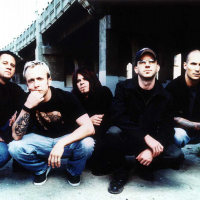
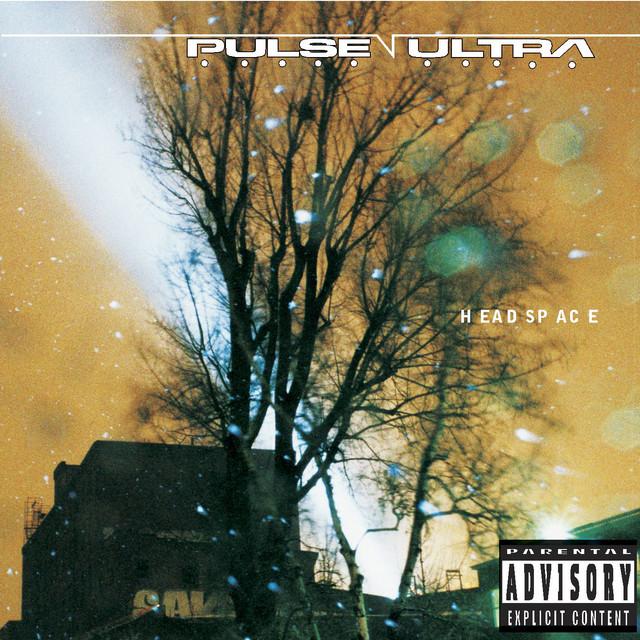
Pulse Ultra’s Spotify BioWhile Montreal is known for its rave scene, native sons Pulse Ultra aimed for something harder. Childhood pals Dominic Cifarelli (guitar) and Jeff Feldman (bassist) were influenced by the post-grunge reign of bands like Limp Bizkit and the Deftones, therefore they designed Pulse Ultra with similar appeal. They spent the latter '90s gigging at local parties and competing in various showcases, but it wasn't until 1997 when the two befriended drummer Maxx Zinno. Zinno gave Pulse Ultra a refreshed outlook and a new focus. Two years later, vocalist Zo Vizza was added to the group, and an intense, raw rock sound was forming. A chance meeting with Taproot in summer 2000 was a golden moment for the band; Cifarelli immediately clicked with the band and gave them a demo. Shortly thereafter, Taproot's manager worked a deal for Pulse Ultra with Velvet Hammer/Atlantic and the band was off to the sunny side of Los Angeles. Pulse Ultra spent the next year writing songs and tweaking their sound; the… result was their debut album, Headspace, which was issued in summer 2002. ~ MacKenzie Wilson, Rovi
Viberate is a music analytics platform built for A&Rs, artist managers, labels, booking agents, marketers, and artists.
It helps music professionals track artist growth, analyze audience data, monitor playlist activity, compare artists, follow song performance, and identify opportunities across the music market.
Public artist pages provide a free preview of selected artist data. Paid plans provide access to deeper analytics, historical data, charts, comparisons, playlist tools, exports, alerts, reports, and additional professional features.
Yes. Public Viberate artist pages provide selected artist analytics and music data for free.
Viberate also offers a 7-day free trial of the full platform. A credit card is required to start the trial. The trial includes access to the complete product so users can test deeper artist analytics, historical views, playlist insights, comparisons, charts, exports, alerts, and reporting features before choosing a paid plan.
Viberate provides artist analytics across streaming, playlists, social media, video, radio airplay, songs, and audience markets.
Users can analyze Spotify performance, Spotify and Apple Music playlists, YouTube activity, TikTok and Instagram growth, radio spins, song performance, audience locations, demographics, rankings, and overall artist momentum.
Artist profiles also connect to music charts, similar artists, and comparison tools, helping users benchmark performance and evaluate artists in context.
Viberate updates key artist and track data daily.
For followed artists and tracks, selected data is refreshed multiple times per day. This helps teams monitor playlist changes, streaming movement, audience growth, releases, and campaign performance with more current data.
Update frequency can vary depending on the metric and data source.
Yes. Viberate lets users compare up to five artists side by side across streaming, social media, audience, and engagement metrics.
Users can compare fanbase growth, audience demographics, locations, Spotify performance, social metrics, and other artist data over selected time periods.
Artist comparison can be used for A&R scouting, benchmarking, booking decisions, campaign planning, and evaluating artists with similar audiences or market positions.