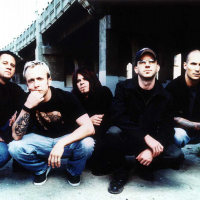
Lo-Pro

Metal
Alternative Metal
Nu Metal
 Viberate Rank: 93417
 Viberate Rank: 93417
 Monthly ListenersFollowers
 Subscribers
 Followers
 Followers
 FansTop YouTube Videos
| Video | 7-Day Views | |
|---|---|---|
1 | 1.15K |
Monthly ListenersFeatured in Playlists| Playlist | Followers | |
|---|---|---|
1 |  Nu Metal Era Spotify | 2.34M |
2 | Anabolic TrenTwins | 121.91K |
3 |  Scrubs - All Songs Leo Otto | 80.96K |
4 |  TOOL - rock inspired by Maynard Keenan, the Deftones, Nine Inch Nails, A Perfect Circle and Puscifer Jerry G | 72.40K |
5 |  #Sweetspot Jimmy Landqvist | 32.36K |
Audience| City | Monthly Listeners | |
|---|---|---|
1 | | 4.23K |
2 | | 4.12K |
3 | | 3.36K |
4 | | 3.23K |
5 | | 3.12K |
See full performance history, audience data, playlist activity, rankings, comparisons, and more in Viberate music analytics. Start with a free trial, then continue with a paid plan.
Lo-Pro’s Spotify BioLo-Pro consisted of vocalist Pete Murray, guitarists Neil Godfrey and Pete Ricci, drummer Tommy Stewart, and bassist John Fahnestock. Most were rock veterans; founders Murray and Godfrey had been in Ultraspank, while Stewart was Godsmack's original drummer and Fahnestock had played in both Snot and Amen. Originally, Staind's Aaron Lewis signed Murray and Godfrey to 413, his vanity imprint through Geffen. By late 2002 they'd signed on Stewart, Fahnestock, and Ricci; by summer 2003 Lo-Pro was in the studio with Pearl Jam and Linkin Park producer Don Gilmore at the helm. The self-titled result was issued a few months later; it featured a refined, radio-ready post-grunge sound. Lo-Pro took the show on the road in early 2004, hitting clubs with Three Days Grace in tow. ~ Johnny Loftus, Rovi
Viberate is a music analytics platform built for A&Rs, artist managers, labels, booking agents, marketers, and artists.
It helps music professionals track artist growth, analyze audience data, monitor playlist activity, compare artists, follow song performance, and identify opportunities across the music market.
Public artist pages provide a free preview of selected artist data. Paid plans provide access to deeper analytics, historical data, charts, comparisons, playlist tools, exports, alerts, reports, and additional professional features.
Yes. Public Viberate artist pages provide selected artist analytics and music data for free.
Viberate also offers a 7-day free trial of the full platform. A credit card is required to start the trial. The trial includes access to the complete product so users can test deeper artist analytics, historical views, playlist insights, comparisons, charts, exports, alerts, and reporting features before choosing a paid plan.
Viberate provides artist analytics across streaming, playlists, social media, video, radio airplay, songs, and audience markets.
Users can analyze Spotify performance, Spotify and Apple Music playlists, YouTube activity, TikTok and Instagram growth, radio spins, song performance, audience locations, demographics, rankings, and overall artist momentum.
Artist profiles also connect to music charts, similar artists, and comparison tools, helping users benchmark performance and evaluate artists in context.
Viberate updates key artist and track data daily.
For followed artists and tracks, selected data is refreshed multiple times per day. This helps teams monitor playlist changes, streaming movement, audience growth, releases, and campaign performance with more current data.
Update frequency can vary depending on the metric and data source.
Yes. Viberate lets users compare up to five artists side by side across streaming, social media, audience, and engagement metrics.
Users can compare fanbase growth, audience demographics, locations, Spotify performance, social metrics, and other artist data over selected time periods.
Artist comparison can be used for A&R scouting, benchmarking, booking decisions, campaign planning, and evaluating artists with similar audiences or market positions.