Poul Ruders

Classical
Classical Crossover
 Viberate Rank: 675232
 Viberate Rank: 675232
 Monthly ListenersFollowers
 Subscribers
 Followers
 Followers
 FansTop Spotify SongsTop YouTube VideosMonthly ListenersFeatured in Playlists
| Playlist | Followers | |
|---|---|---|
1 |  NPR Classical NPR Music | 14.44K |
2 |  Neo Classicals Alen Golpashin | 7.79K |
3 |  💀 Danse Macabre 🎻 MR. J | 4.25K |
4 |  💀 Spooky Classical 💀 oldthyme | 3.18K |
5 |  GNOSIS Músicas para práticas e rituais Filipe Sales Rodrigues | 1.66K |
Audience| City | Monthly Listeners | |
|---|---|---|
1 |  | 16 |
2 | | 12 |
3 |  | 10 |
4 |  | 10 |
5 |  | 9 |
See full performance history, audience data, playlist activity, rankings, comparisons, and more in Viberate music analytics. Start with a free trial, then continue with a paid plan.
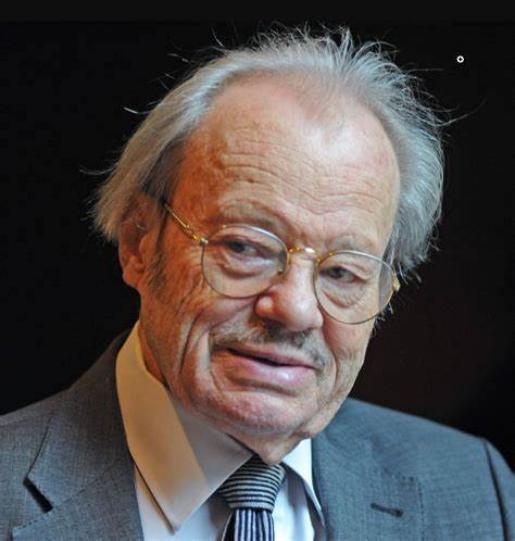
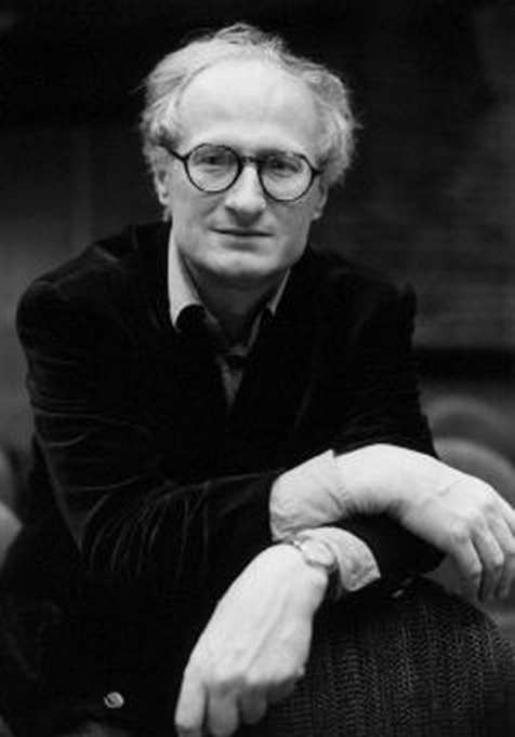
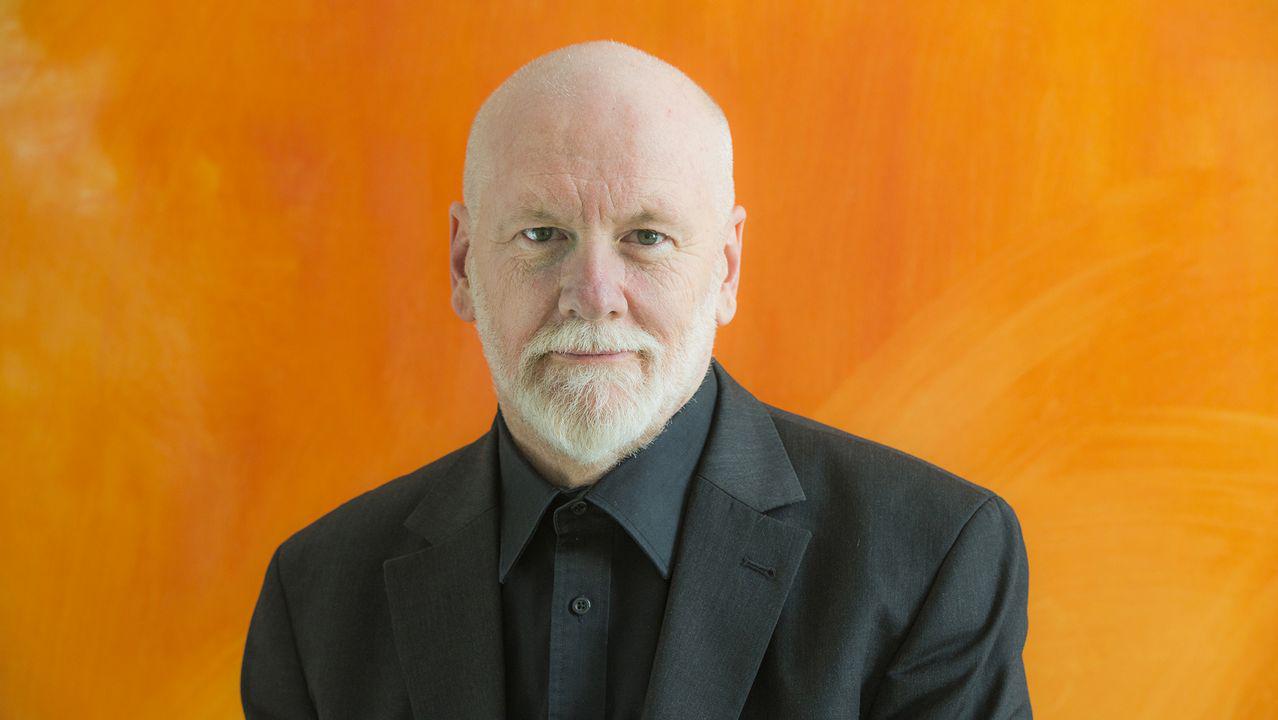
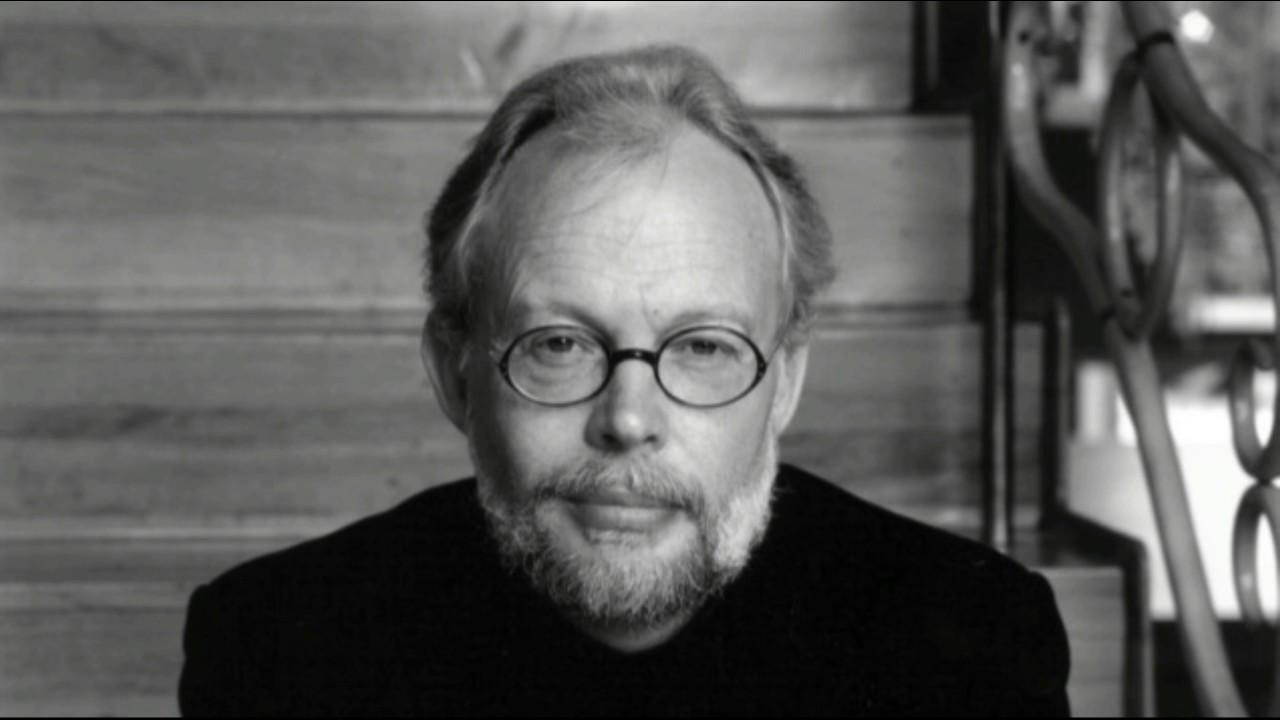
Poul Ruders’ Spotify BioPoul Ruders is generally considered the foremost Danish composer of the postwar generation, having forged a solid reputation as an eclectic willing to use a variety of techniques and styles. In his works, he has incorporated features of minimalism, Medieval and Renaissance-era styles, popular music sources, various tonal and atonal elements, and has even developed a system of shaping and organizing pitch.
Ruders was born on March 27, 1949, in Ringstead, on the island of Zealand in Denmark. He sang in the Copenhagen Boys' Choir as a child and later enrolled at the Odense Conservatory, where he studied keyboard. He earned a degree in 1975 from the Royal Danish Conservatory in organ and had limited private studies in composition with Ib Nørholm and Karl Aage Rasmussen. Ruders himself has asserted that he is largely self-taught in the area of composition, and his claim appears largely justified. His earliest surviving works (he has withdrawn several from his early years) are Three Letters… from the Unknown Soldier, for solo piano, from 1967, and Requiem, for solo organ, from 1968.
In the mid-'70s, Ruders began to draw on earlier music styles for some of his compositions: Medieval Variations (1974), for chamber ensemble, and the Violin Concerto No. 1 (1981), which incorporates quotations from Vivaldi and Schubert, exhibit this trait. Though Ruders served as an organist at churches in the 1970s and did freelance work as a pianist and organist as well, he has relied chiefly on composition as his source of income for most of his career. Indeed, he had begun receiving substantial commissions for large works like his 1982 ballet, Manhattan Abstraction, and his first opera, Tycho (1986). In 1991, Ruders relocated to London, where he lived for the next three years. During this time, he accepted a guest professorship at Yale University and turned out most of the three parts to one of his most popular and highly praised orchestral works, Solar Trilogy (1992-1995). He returned to Copenhagen in 1994, where he completed the final panel of this work, Corona. His Symphony No. 2 (1995-1996) dates to this period, and his second opera, The Handmaid's Tale (1997-1998), followed shortly afterward and was premiered in Copenhagen in 2000.
In the new century, Ruders continues to turn out music in various genres, with many on commission, in large part due to the success of The Handmaid's Tale. His third opera, Kafka's Trial, was premiered in 2005 at the Royal Danish Opera's new opera house in Copenhagen. Following Kafka's Trial was his fourth opera, Selma Jezková (2007); his third (2006), fourth (2008), and fifth (2013) symphonies; as well as numerous works for chamber ensembles. In 2019, Ruders celebrated his 70th birthday with the Santa Fe Opera premiere of his fifth opera, The Thirteenth Child, a joint commission from the Santa Fe Opera and the Odense Symfoniorkester.
Viberate is a music analytics platform built for A&Rs, artist managers, labels, booking agents, marketers, and artists.
It helps music professionals track artist growth, analyze audience data, monitor playlist activity, compare artists, follow song performance, and identify opportunities across the music market.
Public artist pages provide a free preview of selected artist data. Paid plans provide access to deeper analytics, historical data, charts, comparisons, playlist tools, exports, alerts, reports, and additional professional features.
Yes. Public Viberate artist pages provide selected artist analytics and music data for free.
Viberate also offers a 7-day free trial of the full platform. A credit card is required to start the trial. The trial includes access to the complete product so users can test deeper artist analytics, historical views, playlist insights, comparisons, charts, exports, alerts, and reporting features before choosing a paid plan.
Viberate provides artist analytics across streaming, playlists, social media, video, radio airplay, songs, and audience markets.
Users can analyze Spotify performance, Spotify and Apple Music playlists, YouTube activity, TikTok and Instagram growth, radio spins, song performance, audience locations, demographics, rankings, and overall artist momentum.
Artist profiles also connect to music charts, similar artists, and comparison tools, helping users benchmark performance and evaluate artists in context.
Viberate updates key artist and track data daily.
For followed artists and tracks, selected data is refreshed multiple times per day. This helps teams monitor playlist changes, streaming movement, audience growth, releases, and campaign performance with more current data.
Update frequency can vary depending on the metric and data source.
Yes. Viberate lets users compare up to five artists side by side across streaming, social media, audience, and engagement metrics.
Users can compare fanbase growth, audience demographics, locations, Spotify performance, social metrics, and other artist data over selected time periods.
Artist comparison can be used for A&R scouting, benchmarking, booking decisions, campaign planning, and evaluating artists with similar audiences or market positions.