BRETT DEAN

Classical
Classical Crossover
Chamber Music
 Viberate Rank: 555650
 Viberate Rank: 555650
 Monthly ListenersFollowers
 Subscribers
 Followers
 Followers
 FansTop Spotify SongsTop YouTube Videos
| Video | 7-Day Views | |
|---|---|---|
1 | 1 |
Monthly ListenersFeatured in Playlists| Playlist | Followers | |
|---|---|---|
1 |  NPR Classical NPR Music | 14.43K |
2 |  Christmas from King's Choir of King's College, Cambridge | 5.33K |
3 |  Classical Guitar Chill Florecilla | 4.27K |
4 |  ECM Records: 2001 - 2603 Ulysses' Classical | 2.92K |
5 |  Viola Solos and Pieces shosty | 2.83K |
Audience| City | Monthly Listeners | |
|---|---|---|
1 | | 36 |
2 | | 35 |
3 |  | 26 |
4 |  | 15 |
5 |  | 14 |
See full performance history, audience data, playlist activity, rankings, comparisons, and more in Viberate music analytics. Start with a free trial, then continue with a paid plan.
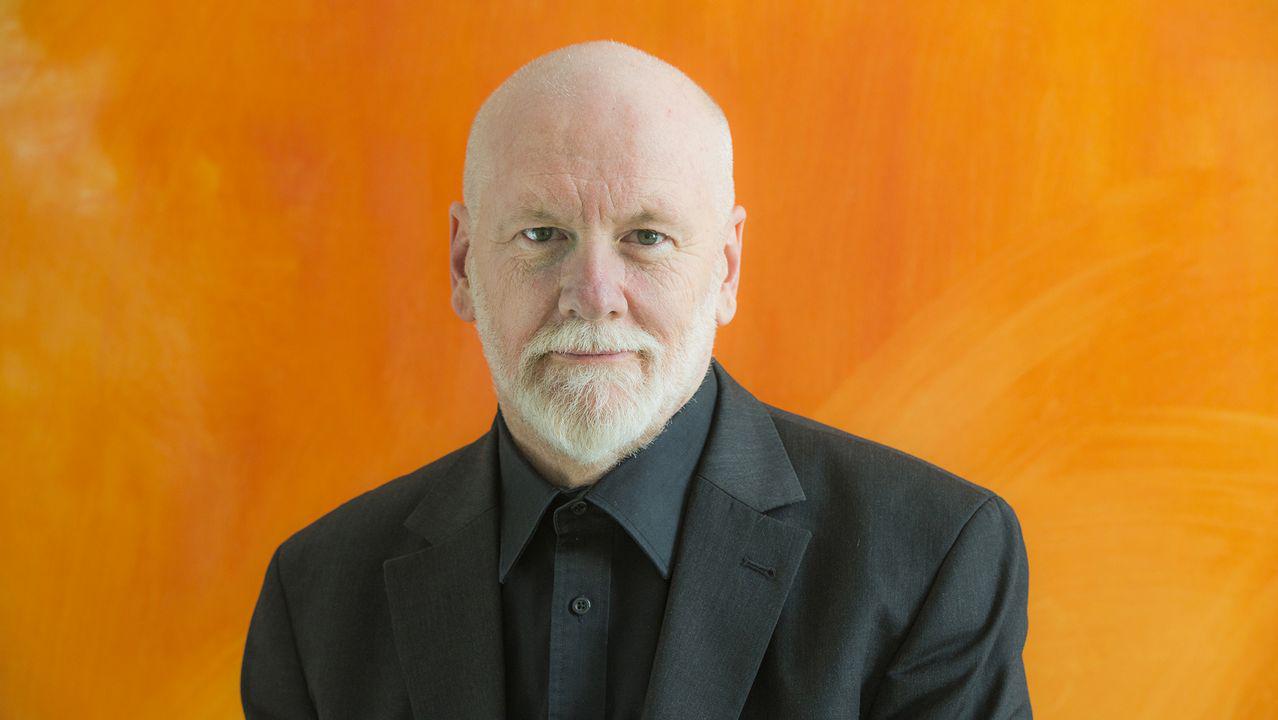
BRETT DEAN’s Spotify BioAlthough he came to composition in midlife after a successful career as an orchestral violist, Brett Dean has become one of Australia's most widely performed composers. Writing for traditional classical instrumentation, Dean has issued works in nearly all the major genres. He spent three years as composer-in-residence with the London Philharmonic Orchestra, and a collection of the music he wrote while there was issued by the orchestra in 2024.
Dean was born in Brisbane, Australia, on October 23, 1961, and was raised and educated exclusively in that city. He took up the violin at eight, later switching to viola. Dean attended the Queensland Conservatorium in Brisbane, studying with Elizabeth Morgan and John Curro, and he graduated in 1982 with the school's medal for highest-achieving student of the year. He had already won an ABC Symphony Australia Young Performers Award the previous year. Dean moved to Berlin in 1984, winning a place in the Berlin Philharmonic as a violist in 1985,… remaining with the ensemble until 1999. It was in the early '90s that Dean began to compose; among his earlier works to be recorded was Winter Songs for tenor and wind quintet (after poems by e.e. cummings), which he began writing in 1994 before completing it in 2000.
In 2000, Dean returned to Australia and, for a time and pursued a career as a freelance musician, not only composing and playing viola but also taking administrative posts with the Sydney and Melbourne Festivals and the Australian National Academy of Music in Melbourne. He continued to play the viola and premiered his own Viola Concerto in London with the BBC Symphony Orchestra; he has also played the work with the Los Angeles Philharmonic, Hamburg Philharmonic, and Orchestre National de Lyon, among other ensembles. His works often draw on extramusical inspirations such as environmental issues (in Water Music), information technology, or the history of music. Among his most successful works is Carlo (1997), for strings, sampler, and tape; it is inspired by the music of Italian Renaissance composer Carlo Gesualdo and has been performed some 50 times. Some of Dean's work incorporates electronics, while most other works are for traditional instrumentation, often demanding mastery of great rhythmic complexity from performers.
Dean's Gneixendorf Music - A Winter Journey, which includes a muffled piano in part of the work, was commissioned by the St. Paul Chamber Orchestra in Minnesota and premiered in February of 2020. The work refers to the small Austrian village where Beethoven lived for several months near the end of his life. Dean spent three years, from 2020 to 2023, as composer-in-residence with the London Philharmonic, and in 2024, the orchestra released a selection of the works it had performed on its own in-house label. Dean's compositions have been garlanded with a variety of Australian awards, and also the 2009 Grawemeyer Award from the University of Louisville in Kentucky. More than 50 of them have been recorded on such labels as Chandos, ABC Classics, and Canary Classics. ~ James Manheim, Rovi
Viberate is a music analytics platform built for A&Rs, artist managers, labels, booking agents, marketers, and artists.
It helps music professionals track artist growth, analyze audience data, monitor playlist activity, compare artists, follow song performance, and identify opportunities across the music market.
Public artist pages provide a free preview of selected artist data. Paid plans provide access to deeper analytics, historical data, charts, comparisons, playlist tools, exports, alerts, reports, and additional professional features.
Yes. Public Viberate artist pages provide selected artist analytics and music data for free.
Viberate also offers a 7-day free trial of the full platform. A credit card is required to start the trial. The trial includes access to the complete product so users can test deeper artist analytics, historical views, playlist insights, comparisons, charts, exports, alerts, and reporting features before choosing a paid plan.
Viberate provides artist analytics across streaming, playlists, social media, video, radio airplay, songs, and audience markets.
Users can analyze Spotify performance, Spotify and Apple Music playlists, YouTube activity, TikTok and Instagram growth, radio spins, song performance, audience locations, demographics, rankings, and overall artist momentum.
Artist profiles also connect to music charts, similar artists, and comparison tools, helping users benchmark performance and evaluate artists in context.
Viberate updates key artist and track data daily.
For followed artists and tracks, selected data is refreshed multiple times per day. This helps teams monitor playlist changes, streaming movement, audience growth, releases, and campaign performance with more current data.
Update frequency can vary depending on the metric and data source.
Yes. Viberate lets users compare up to five artists side by side across streaming, social media, audience, and engagement metrics.
Users can compare fanbase growth, audience demographics, locations, Spotify performance, social metrics, and other artist data over selected time periods.
Artist comparison can be used for A&R scouting, benchmarking, booking decisions, campaign planning, and evaluating artists with similar audiences or market positions.