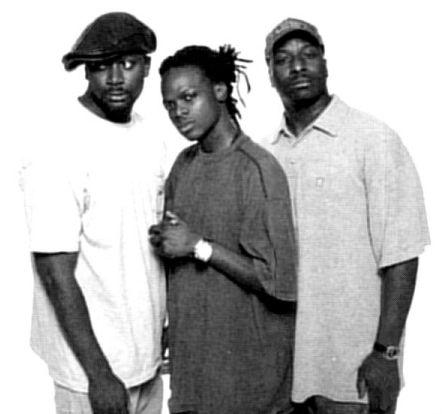
Poor Righteous Teachers

Hip Hop
Contemporary Hip Hop
 Viberate Rank: 82052
 Viberate Rank: 82052
 Monthly ListenersFollowers
 Subscribers
 Followers
 Followers
 FansTop Spotify Songs
| Track | 7-Day Streams | |
|---|---|---|
1 | 9.11K | |
2 | 8.78K | |
3 | 8.12K | |
4 | 6.17K | |
5 | 5.43K |
Top YouTube VideosMonthly ListenersFeatured in Playlists| Playlist | Followers | |
|---|---|---|
1 |  Old School Hip Hop Filtr Sweden | 779.25K |
2 |  90s Hip Hop Classics Nick Minto | 222.73K |
3 |  Clean Hip-Hop Classics Spotify | 128.19K |
4 |  Boom Bap Classics Ville Kyyny | 60.44K |
5 |  RAP EN INGLÉS 🇺🇸 LO MEJOR 😋 | 55.48K |
Audience| City | Monthly Listeners | |
|---|---|---|
1 |  | 6.01K |
2 |  | 2.25K |
3 |  | 1.90K |
4 |  | 1.38K |
5 | | 1.36K |
See full performance history, audience data, playlist activity, rankings, comparisons, and more in Viberate music analytics. Start with a free trial, then continue with a paid plan.
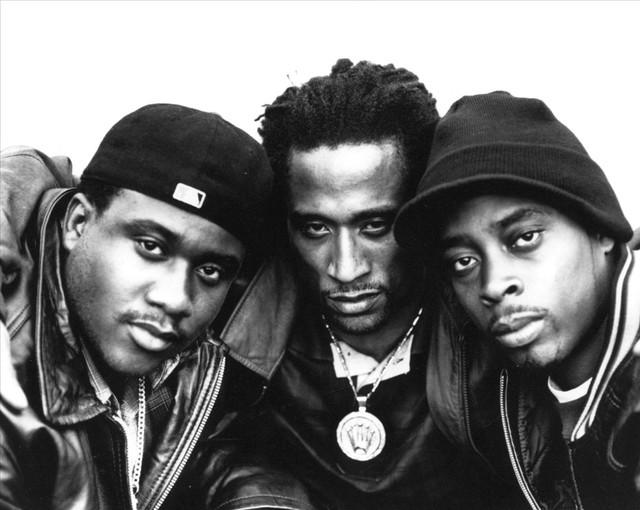
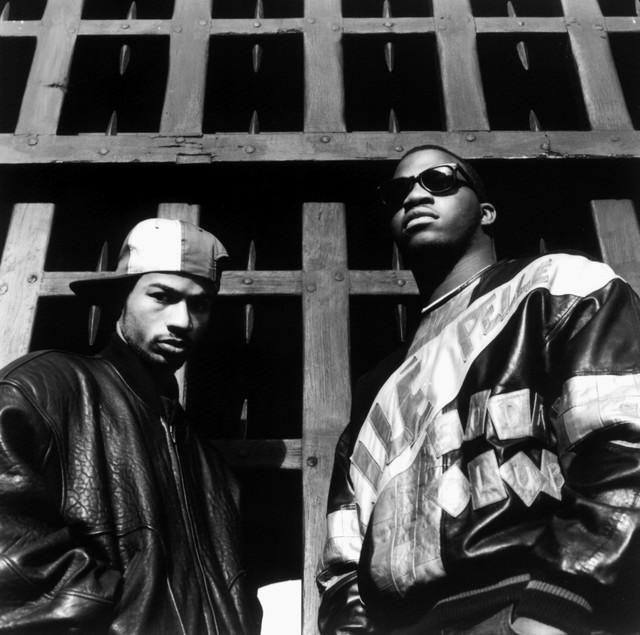
Poor Righteous Teachers’ Spotify BioPart of the growing contingent of Islamic-oriented message rappers, Poor Righteous Teachers formed in Trenton, NJ, when teenage friends Culture Freedom and Wise Intelligent (songwriting credits are listed as S. Phillips and T. Grimes) decided to form a more positive rap group as an alternative to the gangsta style (which they vehemently defend). Joined by DJ and producer Father Shaheed, the group recorded two albums (1990's Holy Intellect and 1991's Pure Poverty) stressing their religious beliefs and philosophy; in spite of sometimes neglecting their music for their message, the albums sold respectably well. 1993's Black Business proved to be their most musically satisfying outing, drawing praise for Wise's ability to use the style and intonation of a reggae/dancehall toaster; however, it was also criticized for its liberal sprinkling of homophobia. New World Order followed in 1996. ~ Steve Huey, Rovi
Viberate is a music analytics platform built for A&Rs, artist managers, labels, booking agents, marketers, and artists.
It helps music professionals track artist growth, analyze audience data, monitor playlist activity, compare artists, follow song performance, and identify opportunities across the music market.
Public artist pages provide a free preview of selected artist data. Paid plans provide access to deeper analytics, historical data, charts, comparisons, playlist tools, exports, alerts, reports, and additional professional features.
Yes. Public Viberate artist pages provide selected artist analytics and music data for free.
Viberate also offers a 7-day free trial of the full platform. A credit card is required to start the trial. The trial includes access to the complete product so users can test deeper artist analytics, historical views, playlist insights, comparisons, charts, exports, alerts, and reporting features before choosing a paid plan.
Viberate provides artist analytics across streaming, playlists, social media, video, radio airplay, songs, and audience markets.
Users can analyze Spotify performance, Spotify and Apple Music playlists, YouTube activity, TikTok and Instagram growth, radio spins, song performance, audience locations, demographics, rankings, and overall artist momentum.
Artist profiles also connect to music charts, similar artists, and comparison tools, helping users benchmark performance and evaluate artists in context.
Viberate updates key artist and track data daily.
For followed artists and tracks, selected data is refreshed multiple times per day. This helps teams monitor playlist changes, streaming movement, audience growth, releases, and campaign performance with more current data.
Update frequency can vary depending on the metric and data source.
Yes. Viberate lets users compare up to five artists side by side across streaming, social media, audience, and engagement metrics.
Users can compare fanbase growth, audience demographics, locations, Spotify performance, social metrics, and other artist data over selected time periods.
Artist comparison can be used for A&R scouting, benchmarking, booking decisions, campaign planning, and evaluating artists with similar audiences or market positions.