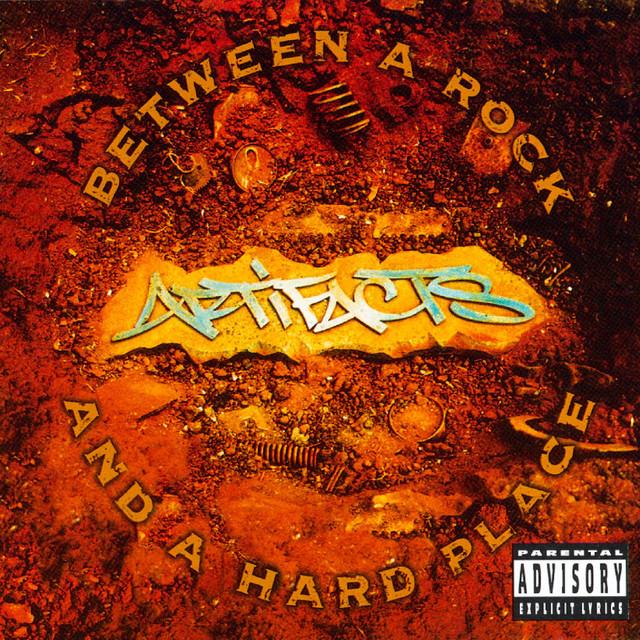
Artifacts

Hip Hop
Contemporary Hip Hop
Boom Bap
 Viberate Rank: 66103
 Viberate Rank: 66103
 Monthly ListenersFollowers
 Subscribers
 Followers
 Followers
 FansTop Spotify Songs
| Track | 7-Day Streams | |
|---|---|---|
1 | 76.95K | |
2 | 59.01K | |
3 | 58.10K | |
4 | 26.16K | |
5 | 15.38K |
Top YouTube Videos| Video | 7-Day Views | |
|---|---|---|
1 | 404 |
Monthly ListenersFeatured in Playlists| Playlist | Followers | |
|---|---|---|
1 |  I Love My '90s Hip-Hop Spotify | 9.39M |
2 |  The Prose of Rhyming in Rap Estelle Caswell | 108.59K |
3 |  You're Superb The Classics | 92.92K |
4 |  Boom Bap Classics Ville Kyyny | 60.44K |
5 |  Jazz Hip Hop Johnny Jazzmatazz | 55.59K |
Audience| City | Monthly Listeners | |
|---|---|---|
1 |  | 7.37K |
2 |  | 7.27K |
3 | | 7.10K |
4 |  | 6.13K |
5 |  | 6.03K |
See full performance history, audience data, playlist activity, rankings, comparisons, and more in Viberate music analytics. Start with a free trial, then continue with a paid plan.
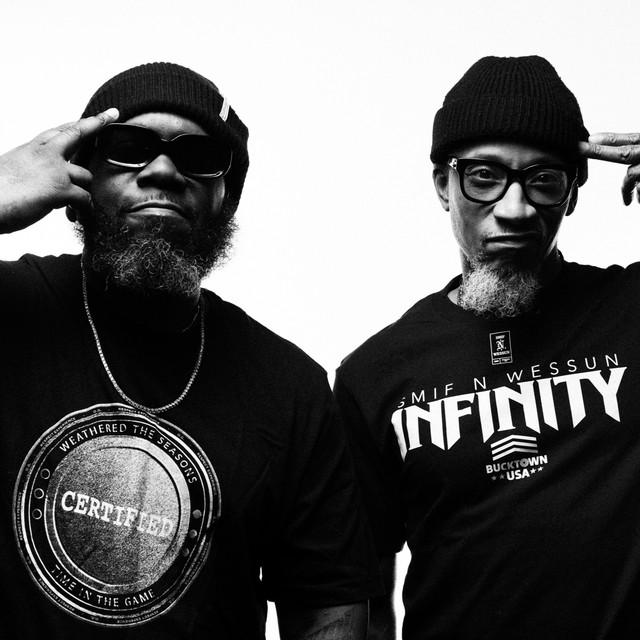
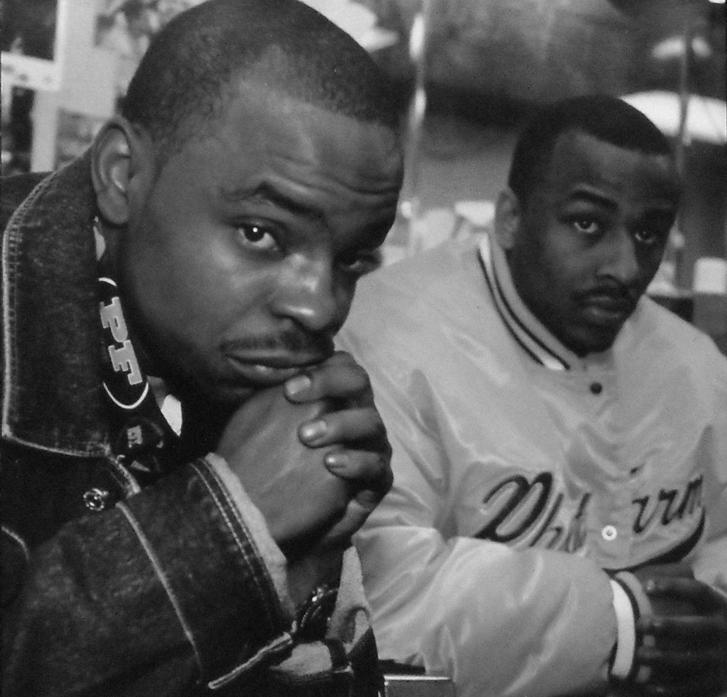
Artifacts’ Spotify BioThe Artifacts are a throwback hip-hop duo from Newark, NJ. Their music reflects and emphasizes three of the four elements of true hip-hop culture: MCing, DJing, and their specialty, graffiti writing or "bombing"; both Tame One and El the Sensai are proficient at all three. With unique styles that play off each other well, Tame and El's graf-rap was well-received by underground audiences and continued in the Jersey rap tradition of Redman and Lords of the Underground. The crew scored an underground classic with their debut single in 1994, "Wrong Side of The Tracks," serving notice to their graffiti bombing missions and their Jersey heritage. The debut album, Between a Rock and a Hard Place, followed soon afterward. Tight, funky production provided the duo's B-boy stance the chance to take shape. Although it contained more of the same, the 1996 follow-up album, That's Them, was not nearly as successful critically, getting lost amid the burgeoning kingpin gangster attitude of Jay-Z and Na…s. The Artifacts were hard-nosed backpack hip-hoppers in the halcyon days of hip-hop's golden age revisited, before hip-hop's mainstream explosion and the elevating gangster hardcore style that led to the violent deaths of Tupac Shakir and Notorious B.I.G. The duo split in 1997 and now release singles as solo artists. ~ Michael Di Bella, Rovi
Viberate is a music analytics platform built for A&Rs, artist managers, labels, booking agents, marketers, and artists.
It helps music professionals track artist growth, analyze audience data, monitor playlist activity, compare artists, follow song performance, and identify opportunities across the music market.
Public artist pages provide a free preview of selected artist data. Paid plans provide access to deeper analytics, historical data, charts, comparisons, playlist tools, exports, alerts, reports, and additional professional features.
Yes. Public Viberate artist pages provide selected artist analytics and music data for free.
Viberate also offers a 7-day free trial of the full platform. A credit card is required to start the trial. The trial includes access to the complete product so users can test deeper artist analytics, historical views, playlist insights, comparisons, charts, exports, alerts, and reporting features before choosing a paid plan.
Viberate provides artist analytics across streaming, playlists, social media, video, radio airplay, songs, and audience markets.
Users can analyze Spotify performance, Spotify and Apple Music playlists, YouTube activity, TikTok and Instagram growth, radio spins, song performance, audience locations, demographics, rankings, and overall artist momentum.
Artist profiles also connect to music charts, similar artists, and comparison tools, helping users benchmark performance and evaluate artists in context.
Viberate updates key artist and track data daily.
For followed artists and tracks, selected data is refreshed multiple times per day. This helps teams monitor playlist changes, streaming movement, audience growth, releases, and campaign performance with more current data.
Update frequency can vary depending on the metric and data source.
Yes. Viberate lets users compare up to five artists side by side across streaming, social media, audience, and engagement metrics.
Users can compare fanbase growth, audience demographics, locations, Spotify performance, social metrics, and other artist data over selected time periods.
Artist comparison can be used for A&R scouting, benchmarking, booking decisions, campaign planning, and evaluating artists with similar audiences or market positions.