Polarized Eyes

Punk
Punk Rock
 Viberate Rank: 720735
 Viberate Rank: 720735
 Monthly ListenersFollowers
 Subscribers
 Followers
 Followers
 FansTop YouTube VideosMonthly ListenersFeatured in Playlists
| Playlist | Followers | |
|---|---|---|
1 |  Faster, Louder, Harder Marq V.A. | 3.20K |
2 |  She Rock 's Punkzilla! | 1.20K |
Audience| City | Monthly Listeners | |
|---|---|---|
1 | | 3 |
2 | | 3 |
See full performance history, audience data, playlist activity, rankings, comparisons, and more in Viberate music analytics. Start with a free trial, then continue with a paid plan.
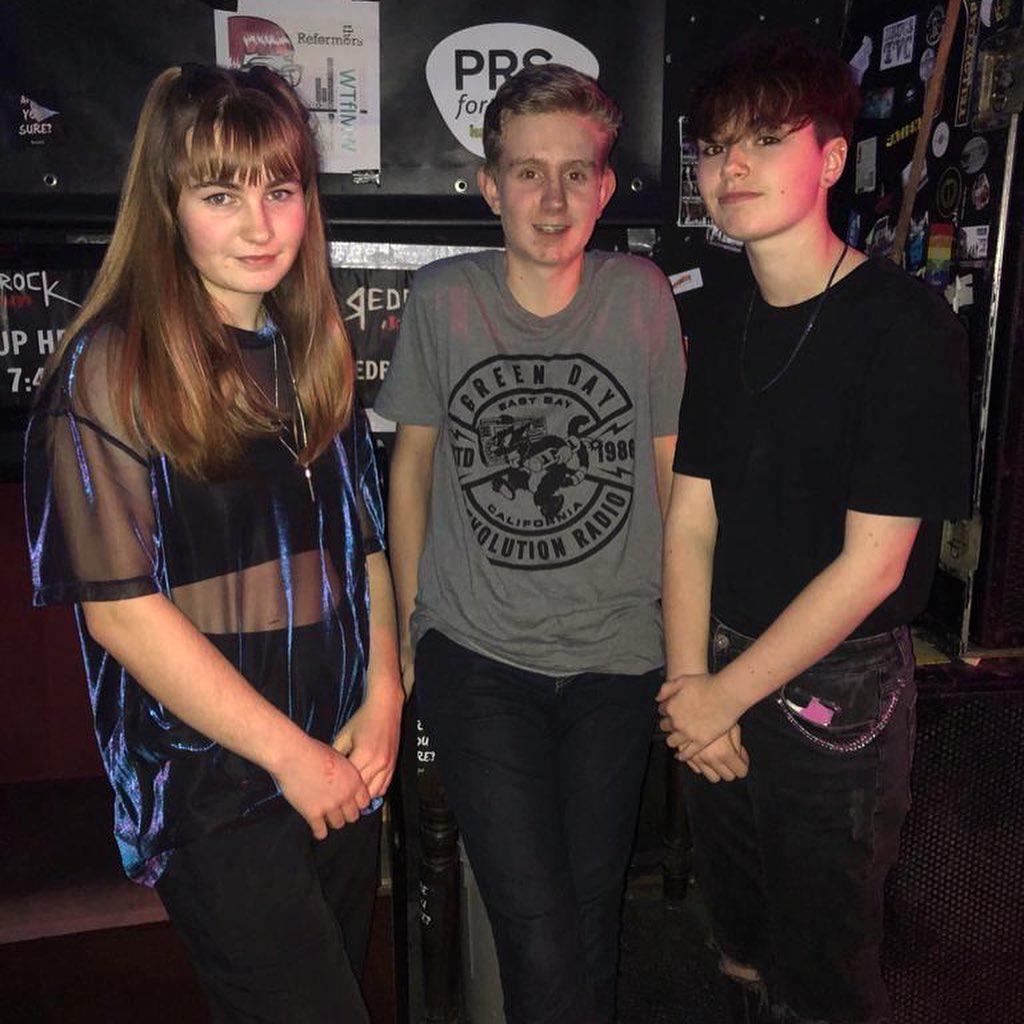
Polarized Eyes’ Spotify BioTeen punk band Polarized Eyes are Noah Lonergan (vocals and guitar), Amber Welsh (bass), Harry Heard (drums) and new edition Michael Berlingieri (guitar). The 16 and 17-year olds were brought up properly on the music of Patti Smith, The Who and The Clash and their sound is influenced by Nirvana, Royal Blood and Idles. They've been friends since they met at their North London primary school and started making a noise together in 2018.
The band has a rapidly growing following amongst supporters and fans of new, exciting music. At their last gig before the pandemic hit, they took the roof off a sold-out house at The Dublin Castle with an explosive live set. They can’t wait to be able to gig again and are set to play London’s Amersham Arms in June 2021.
In the meantime, they’ve spent lockdown honing their craft and continuing to write edgy, powerful songs that capture the zeitgeist of Gen Z – from global warming to racism and corruption. New single Real Boys, due out on 20th March 2021 is… inspired by singer Noah’s gender transition and toxic masculinity.
Polarized Eyes gained national airplay with their first release, Storm, on Tom Robinson’s BBC Introducing Mixtape on 6Music when they were just 14 and 15. Subsequent tracks have gained stellar reviews and radio play. Their most recent release in December 2020, Blackout, was chosen by John Kennedy as his Hot One of the Week on Radio X and featured on Amazing Radio’s Audition Show and Boogaloo Radio.
Viberate is a music analytics platform built for A&Rs, artist managers, labels, booking agents, marketers, and artists.
It helps music professionals track artist growth, analyze audience data, monitor playlist activity, compare artists, follow song performance, and identify opportunities across the music market.
Public artist pages provide a free preview of selected artist data. Paid plans provide access to deeper analytics, historical data, charts, comparisons, playlist tools, exports, alerts, reports, and additional professional features.
Yes. Public Viberate artist pages provide selected artist analytics and music data for free.
Viberate also offers a 7-day free trial of the full platform. A credit card is required to start the trial. The trial includes access to the complete product so users can test deeper artist analytics, historical views, playlist insights, comparisons, charts, exports, alerts, and reporting features before choosing a paid plan.
Viberate provides artist analytics across streaming, playlists, social media, video, radio airplay, songs, and audience markets.
Users can analyze Spotify performance, Spotify and Apple Music playlists, YouTube activity, TikTok and Instagram growth, radio spins, song performance, audience locations, demographics, rankings, and overall artist momentum.
Artist profiles also connect to music charts, similar artists, and comparison tools, helping users benchmark performance and evaluate artists in context.
Viberate updates key artist and track data daily.
For followed artists and tracks, selected data is refreshed multiple times per day. This helps teams monitor playlist changes, streaming movement, audience growth, releases, and campaign performance with more current data.
Update frequency can vary depending on the metric and data source.
Yes. Viberate lets users compare up to five artists side by side across streaming, social media, audience, and engagement metrics.
Users can compare fanbase growth, audience demographics, locations, Spotify performance, social metrics, and other artist data over selected time periods.
Artist comparison can be used for A&R scouting, benchmarking, booking decisions, campaign planning, and evaluating artists with similar audiences or market positions.