Pluxus

Electronic
Other Electronic Music
 Viberate Rank: 488143
 Viberate Rank: 488143
 Monthly ListenersFollowers
 Subscribers
 Followers
 Followers
 FansTop Spotify Songs
| Track | 7-Day Streams | |
|---|---|---|
1 | 177 | |
2 | 101 | |
3 | 42 | |
4 | 41 | |
5 | 35 |
Top YouTube Videos| Video | 7-Day Views | |
|---|---|---|
1 | 2 |
Monthly ListenersFeatured in Playlists| Playlist | Followers | |
|---|---|---|
1 |  Ambient Space UNFUNFAIR | 11.00K |
2 |  Headphone Burn In cyanid303 | 3.28K |
3 | Chiptunes Jakob Marchal | 2.94K |
4 |  hauntology - spectres of a forgotten future bnnzel | 2.44K |
5 | Keygen-Musik the best of Chiptune and 8-bit Music Felix Kurth | 2.29K |
Audience| City | Monthly Listeners | |
|---|---|---|
1 | | 95 |
2 | | 52 |
3 |  | 23 |
4 | | 19 |
5 |  | 14 |
See full performance history, audience data, playlist activity, rankings, comparisons, and more in Viberate music analytics. Start with a free trial, then continue with a paid plan.
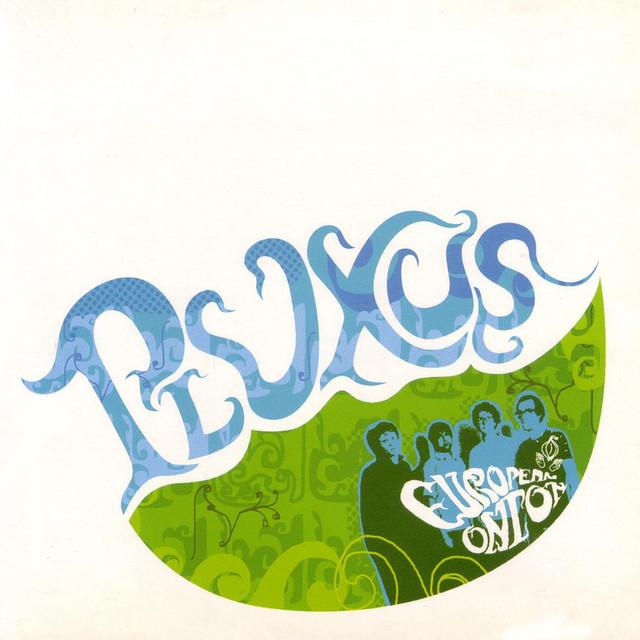
Pluxus’ Spotify BioFondling electronic tones from their synthesisers, Swedish outfit Pluxus (pronounced Plook-suss) create pop naïf that sounds as if inspired by old skool computer games, cartoon themes and the buttons of mobile phone keypads. Although they now forge catchy synthesiser and drum machine creations, Pluxus have their origins in a lo-fi guitar outfit. After discovering synths in about 1997, Adam Kammerland (b. 27 February 1977, Stockholm, Sweden), Sebastian Tesch (b. 22 March 1977, Stockholm, Sweden) and Björn Carlberg (b. 30 July 1978, Stockholm, Sweden) began recording material in their Pluxemburg studio. Pluxus’ first release was the Music Inspired By The Architecture Of Kennedy International Airport cassette, which was followed by Fas 2 and Och Resan Fortsätter Här (Here The Journey Continues), by which time Anders Ekërt (b. 13 October 1976, Stockholm, Sweden) had been permanently added to the line-up. Although they frequently produce music that is cute, cheesy and saccharine, Pluxus… occasionally resist the impulse to create such jolly, manic music. Rather, on tracks like ‘Molltolerans’ (from European Onion), they coalesce their electronic bleeps and bloops into more funereal music that is poignant and eerie. Pluxus are often perceived as retrogressive analogue fetishists, but they claim to like any gear, ‘analogue, digital, swimming or flying, which can produce a good sound’. Playing and recording live the group also claim to resist rigidity in their music, incorporating small errors into their sound. Eschewing the deliberate artiness of much electronica, Pluxus seem to apply a playground mentality to the creation of their music. Live reviews have reported almost farcical levels of falling over on stage. Intriguingly, they also distance themselves from the Swedish dance music scene, which they judge to be ‘too much DJs and obscure record collections.’
Viberate is a music analytics platform built for A&Rs, artist managers, labels, booking agents, marketers, and artists.
It helps music professionals track artist growth, analyze audience data, monitor playlist activity, compare artists, follow song performance, and identify opportunities across the music market.
Public artist pages provide a free preview of selected artist data. Paid plans provide access to deeper analytics, historical data, charts, comparisons, playlist tools, exports, alerts, reports, and additional professional features.
Yes. Public Viberate artist pages provide selected artist analytics and music data for free.
Viberate also offers a 7-day free trial of the full platform. A credit card is required to start the trial. The trial includes access to the complete product so users can test deeper artist analytics, historical views, playlist insights, comparisons, charts, exports, alerts, and reporting features before choosing a paid plan.
Viberate provides artist analytics across streaming, playlists, social media, video, radio airplay, songs, and audience markets.
Users can analyze Spotify performance, Spotify and Apple Music playlists, YouTube activity, TikTok and Instagram growth, radio spins, song performance, audience locations, demographics, rankings, and overall artist momentum.
Artist profiles also connect to music charts, similar artists, and comparison tools, helping users benchmark performance and evaluate artists in context.
Viberate updates key artist and track data daily.
For followed artists and tracks, selected data is refreshed multiple times per day. This helps teams monitor playlist changes, streaming movement, audience growth, releases, and campaign performance with more current data.
Update frequency can vary depending on the metric and data source.
Yes. Viberate lets users compare up to five artists side by side across streaming, social media, audience, and engagement metrics.
Users can compare fanbase growth, audience demographics, locations, Spotify performance, social metrics, and other artist data over selected time periods.
Artist comparison can be used for A&R scouting, benchmarking, booking decisions, campaign planning, and evaluating artists with similar audiences or market positions.