Plebe Rude

Punk
Punk Rock
Alternative Rock
 Viberate Rank: 30841
 Viberate Rank: 30841
 Monthly ListenersFollowers
 Subscribers
 Followers
 Followers
 FansTop Spotify Songs
| Track | 7-Day Streams | |
|---|---|---|
1 | 158.40K | |
2 | 11.54K | |
3 | 3.93K | |
4 | 3.69K | |
5 | 3.34K |
Top YouTube Videos| Video | 7-Day Views | |
|---|---|---|
1 | 35.40K | |
2 | 23.66K | |
3 | 8.02K | |
4 | 7.21K | |
5 | 1.47K |
Monthly ListenersFeatured in Playlists| Playlist | Followers | |
|---|---|---|
1 |  BRock 80 Spotify | 599.11K |
2 |  Rock Nacional - As Melhores Vip Music | 353.67K |
3 |  Rock Nacional - As Melhores e Mais Tocadas Sofia Franco | 278.42K |
4 |  Pop Rock Brasileiro Anos 80, 90 e 2000 mateusfaustini | 221.52K |
5 |  O melhor do Rock Nacional 80/90 oloxa | 217.07K |
Audience| City | Monthly Listeners | |
|---|---|---|
1 | | 86.66K |
2 | | 29.23K |
3 | | 28.00K |
4 | | 19.85K |
5 | | 19.77K |
See full performance history, audience data, playlist activity, rankings, comparisons, and more in Viberate music analytics. Start with a free trial, then continue with a paid plan.
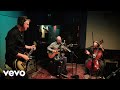
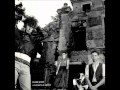
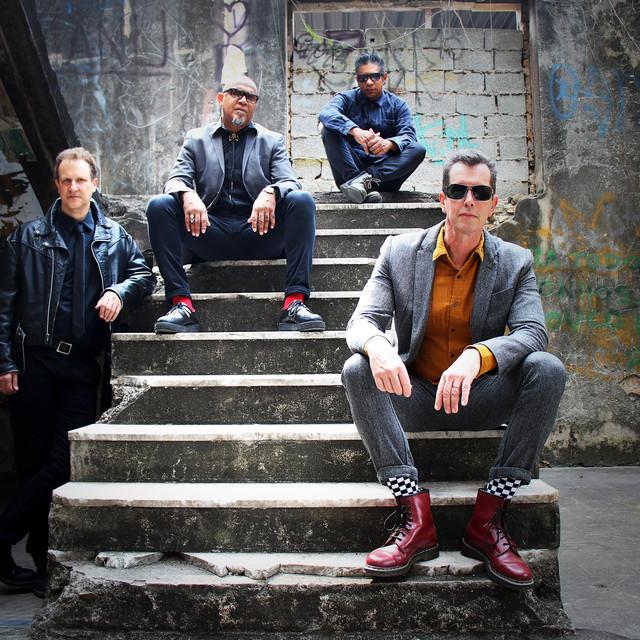
Plebe Rude’s Spotify BioPlebe Rude was a group formed in Brasília, DF, in July 1981 by vocalist/guitarist Philippe Seabra, vocalist/guitarist Ameba (Jander Bilafra), bassist André X Muller, and drummer Gurtje Woorthmann. "Pressão Social" was written in that very month by Seabra, Muller, and Woorthmann. Deeply inspired by the punk movement and by the Clash, Plebe Rude had their first concert out of Brasília in Patos de Minas, MG, where they were taken to the police hall for questioning. The band still hadn't recorded their first album, but were portrayed as a self-made medium subject in the film Ascensão e Queda de Quatro Rudes Plebeus, which was awarded Best Experimental Film at the I Super-8 Film Festival of Brasília. At the same time, devoted to the punk scene, the band performed shows in small clubs in Brasília, Rio, and São Paulo.
In 1985, Herbert Vianna (Os Paralamas do Sucesso) recommended that EMI sign Plebe Rude, and he produced their first album, a seven-track project called O Concreto já Rachou. The… album was lauded by critics, being appointed the best of Brazilian rock, and sold 250,000 copies. With the illustrious presence of Fernanda Abreu and George Israel (Kid Abelha) among the crowd, the album was released at two shows at the Noites Cariocas (Rio) in February 1986.
In the next year, the band moved to Rio. In the I Festival Alternativa Nativa, at the Canecão, the band released their second album, Nunca Fomos Tão Brasileiros, which was also produced by Herbert Vianna and featured a string quartet in the song "A Ida." "Censura" was vetoed by censorship.
In November 1988, Plebe Rude came to light. With lighter lyrics, the album focused on the band's instrumental aspect, incorporating elements of baião, repente, and samba. The result was a weaker-selling, but still considerable, album, which sold 40,000 copies.
After a crisis and subsequent break, Seabra and Muller resurrected Plebe Rude in 1993, recording the LP Mais Raiva do que Medo through Natasha. Continuing to do a series of shows, the group reached a dead end in 1994 when Seabra returned to the U.S.A.. ~ Alvaro Neder, Rovi
Viberate is a music analytics platform built for A&Rs, artist managers, labels, booking agents, marketers, and artists.
It helps music professionals track artist growth, analyze audience data, monitor playlist activity, compare artists, follow song performance, and identify opportunities across the music market.
Public artist pages provide a free preview of selected artist data. Paid plans provide access to deeper analytics, historical data, charts, comparisons, playlist tools, exports, alerts, reports, and additional professional features.
Yes. Public Viberate artist pages provide selected artist analytics and music data for free.
Viberate also offers a 7-day free trial of the full platform. A credit card is required to start the trial. The trial includes access to the complete product so users can test deeper artist analytics, historical views, playlist insights, comparisons, charts, exports, alerts, and reporting features before choosing a paid plan.
Viberate provides artist analytics across streaming, playlists, social media, video, radio airplay, songs, and audience markets.
Users can analyze Spotify performance, Spotify and Apple Music playlists, YouTube activity, TikTok and Instagram growth, radio spins, song performance, audience locations, demographics, rankings, and overall artist momentum.
Artist profiles also connect to music charts, similar artists, and comparison tools, helping users benchmark performance and evaluate artists in context.
Viberate updates key artist and track data daily.
For followed artists and tracks, selected data is refreshed multiple times per day. This helps teams monitor playlist changes, streaming movement, audience growth, releases, and campaign performance with more current data.
Update frequency can vary depending on the metric and data source.
Yes. Viberate lets users compare up to five artists side by side across streaming, social media, audience, and engagement metrics.
Users can compare fanbase growth, audience demographics, locations, Spotify performance, social metrics, and other artist data over selected time periods.
Artist comparison can be used for A&R scouting, benchmarking, booking decisions, campaign planning, and evaluating artists with similar audiences or market positions.