Camisa de Vênus

Punk
Punk Rock
Alternative Rock
 Viberate Rank: 39466
 Viberate Rank: 39466
 Monthly ListenersFollowers
 Subscribers
 Followers
 Followers
 FansTop Spotify Songs
| Track | 7-Day Streams | |
|---|---|---|
1 | 26.46K | |
2 | 15.61K | |
3 | 8.80K | |
4 | 7.56K | |
5 | 4.94K |
Top YouTube Videos| Video | 7-Day Views | |
|---|---|---|
1 | 5.10K | |
2 | 2.62K | |
3 | 1.45K | |
4 | 1.06K | |
5 | 832 |
Monthly ListenersFeatured in Playlists| Playlist | Followers | |
|---|---|---|
1 |  Brasil Anos 80 Spotify | 1.04M |
2 |  BRock 80 Spotify | 599.21K |
3 |  O melhor do Rock Nacional 80/90 oloxa | 217.13K |
4 |  Rock Nacional Anos 80 e 90 neliocamargo | 143.29K |
5 | Rock Nacional Brasileiro Lucas Scodeler | 72.40K |
Audience| City | Monthly Listeners | |
|---|---|---|
1 | | 30.92K |
2 | | 8.38K |
3 | | 7.87K |
4 | | 6.96K |
5 | | 6.82K |
See full performance history, audience data, playlist activity, rankings, comparisons, and more in Viberate music analytics. Start with a free trial, then continue with a paid plan.
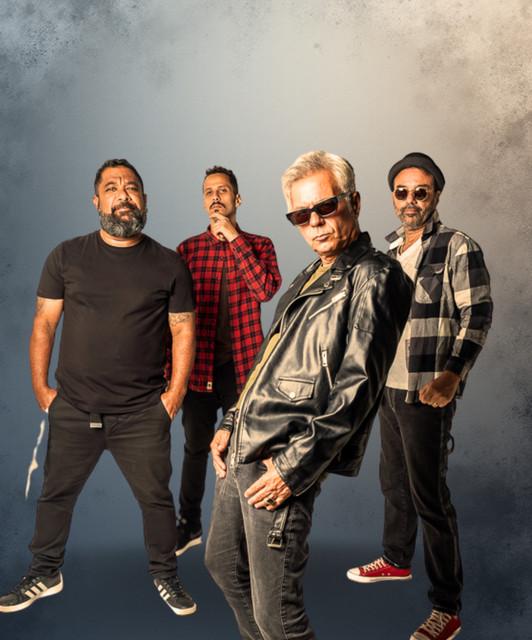
Camisa de Vênus’ Spotify BioInfluenced by the precursors of Brazilian rock, Raul Seixas, and British punk bands like the Sex Pistols, the Clash and the Buzzcocks, Marcelo Nova, a DJ at Rádio Aratu FM (Salvador, BA), rounded up guitarists Karl Hummel and Gustavo Müllen, bassist Robério Santana, and drummer Aldo Machado to form Camisa de Vênus in late 1980.
In the next year, Hummel departed for a period in Europe, and the band preferred to wait for him rather than replace him. In March 1982, the band really began their activities, recording a single five months later, "Meu Primo Zé," which scored a hit in Rio/São Paulo. Soon, they were recording their first LP for Som Livre, Camisa de Vênus. Released in October 1983, the album had good repercussions; but their record company complained about the group's aggressiveness, trying to change their name. The band abandoned Som Livre and departed for two years on the road without a label behind them. In late 1985, Camisa de Vênus signed with RGE, who reissued Camisa de… Vênus and released the band's second LP, Batalhão de Estranhos, keeping their crude formula. The album's success was immediate, and the two first albums yielded gold records.
The third one also bet on spontaneity, being recorded live in March 1986. The album had the hit "Sílvia." A few months later, the band left RGE and signed with WEA, recording Correndo o Risco. A different album, this one even featured an orchestra in "A Ferro e Fogo," but it didn't scare away their fans, selling 200,000 copies.
In 1987, they recorded a double album, Duplo Sentido, which sold 40,000 copies. The album, featuring the participation of their idol, Raul Seixas, in "Muita Estrela, Pouca Constelação," evidenced different concepts and directions, making it clear that a separation was near. And indeed Nova left the band with Müllen, and, inviting keyboardist João Chaves, bassist Nadinho Feliciano, and drummer James Müller, formed the band A Envergadura Moral. (Gustavo Müllen died on May 28, 2024 at teh age of 72.) In 1988, the band recorded Marcelo Nova & A Envergadura Moral. In the next year, Nova recorded an LP with Raul Seixas, A Panela do Diabo, which was Seixas' last album, as he died on August 21st. A Envergadura Moral also recorded (with Nova) the album Blackout in 1991 (Continental), taking a break after its release. In 1994, the group teamed again, with Marcelo Nova, Karl Hummel, Robério Santana, guitarist Luís Sérgio Carlini, keyboardist Carlos Alberto Calazans, and drummer Franklin Paolillo, recording the live CD Camisa de Vênus ao Vivo: Plugado! (1996, Polygram) and Quem é Você? (1997, Polygram). ~ Alvaro Neder, Rovi
Viberate is a music analytics platform built for A&Rs, artist managers, labels, booking agents, marketers, and artists.
It helps music professionals track artist growth, analyze audience data, monitor playlist activity, compare artists, follow song performance, and identify opportunities across the music market.
Public artist pages provide a free preview of selected artist data. Paid plans provide access to deeper analytics, historical data, charts, comparisons, playlist tools, exports, alerts, reports, and additional professional features.
Yes. Public Viberate artist pages provide selected artist analytics and music data for free.
Viberate also offers a 7-day free trial of the full platform. A credit card is required to start the trial. The trial includes access to the complete product so users can test deeper artist analytics, historical views, playlist insights, comparisons, charts, exports, alerts, and reporting features before choosing a paid plan.
Viberate provides artist analytics across streaming, playlists, social media, video, radio airplay, songs, and audience markets.
Users can analyze Spotify performance, Spotify and Apple Music playlists, YouTube activity, TikTok and Instagram growth, radio spins, song performance, audience locations, demographics, rankings, and overall artist momentum.
Artist profiles also connect to music charts, similar artists, and comparison tools, helping users benchmark performance and evaluate artists in context.
Viberate updates key artist and track data daily.
For followed artists and tracks, selected data is refreshed multiple times per day. This helps teams monitor playlist changes, streaming movement, audience growth, releases, and campaign performance with more current data.
Update frequency can vary depending on the metric and data source.
Yes. Viberate lets users compare up to five artists side by side across streaming, social media, audience, and engagement metrics.
Users can compare fanbase growth, audience demographics, locations, Spotify performance, social metrics, and other artist data over selected time periods.
Artist comparison can be used for A&R scouting, benchmarking, booking decisions, campaign planning, and evaluating artists with similar audiences or market positions.