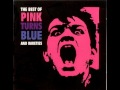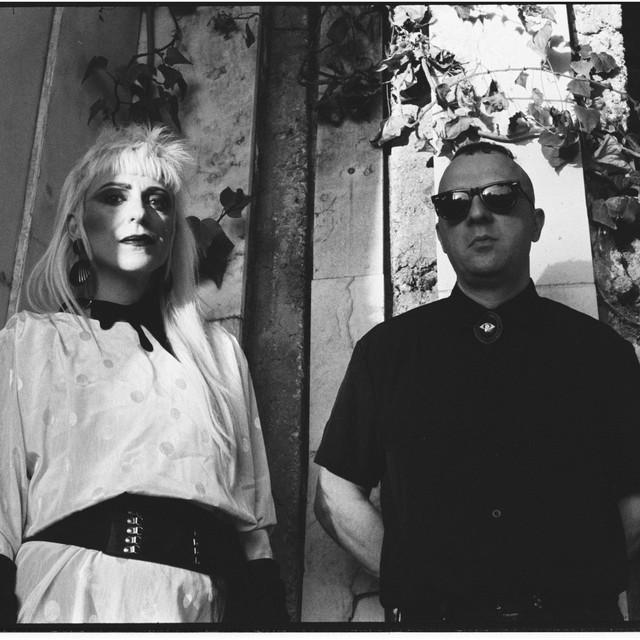
Pink Turns Blue

Rock
Indie Rock
Post Punk
 Viberate Rank: 63179
 Viberate Rank: 63179
 Monthly ListenersFollowers
 Subscribers
 Followers
 Followers
 FansTop Spotify Songs
| Track | 7-Day Streams | |
|---|---|---|
1 | 25.06K | |
2 | 17.96K | |
3 | 11.15K | |
4 | 8.59K | |
5 | 4.88K |
Top YouTube VideosMonthly ListenersFeatured in Playlists| Playlist | Followers | |
|---|---|---|
1 |  actual goth music kelsey lieberman | 324.96K |
2 |  𓋹 goth playlist for babybats 🦇𓋹 Alienpuke! | 116.61K |
3 |  goth rock / post punk julia rose | 105.37K |
4 |  Slutty goth music Kash | 85.60K |
5 |  New Wave 80s vs Alternative 90s Cocoy Claravall | 68.41K |
Audience| City | Monthly Listeners | |
|---|---|---|
1 |  | 2.75K |
2 |  | 1.89K |
3 |  | 1.85K |
4 | | 1.77K |
5 |  | 1.76K |
See full performance history, audience data, playlist activity, rankings, comparisons, and more in Viberate music analytics. Start with a free trial, then continue with a paid plan.
Pink Turns Blue’s Spotify BioPink Turns Blue are an influential post punk band from Berlin, Germany.
Formed in 1985, they were part of the first generation of gothic rock in Germany and released 1987 their first LP, If Two Worlds Kiss with a sound reminiscent of new wave with very dark undertones and use of synthesizers, and went to become part of the developing sub-genre of dark wave.
Musically they orient towards post-punk bands like early The Cure, The Chameleons or The Sound.
In 1988, their second album Meta was released which carried the keyboard heavy The Cure sound to extremes and their second single, Your Master Is Calling, got them TV appearance in Tele 5, was on rotation of many radio stations.
In 1992, Pink Turns Blue recorded their sixth album, Perfect Sex, with David M. Allen, the producer of The Cure and Sisters of Mercy.
In 2021, the band released their eleventh album TAINTED which received overwhelmingly positive responses, including ‘album of the year 2021’ by Byte FM (Hamburg), top album of the year… 2021 by Post Punk Com (New York) and 4 songs from the album entering the German Indie Disko Top 40 for more than 20 weeks with @There Must Be So Much More on chart position 1. Also, three tracks ended up in the top 200 Indie Disko 2021 Annual Charts.
For fans of: The Cure , Sisters of Mercy, Killing Joke, Depeche Mode, The Chameleons, The Sound, Siouxsie and the Banshees
Viberate is a music analytics platform built for A&Rs, artist managers, labels, booking agents, marketers, and artists.
It helps music professionals track artist growth, analyze audience data, monitor playlist activity, compare artists, follow song performance, and identify opportunities across the music market.
Public artist pages provide a free preview of selected artist data. Paid plans provide access to deeper analytics, historical data, charts, comparisons, playlist tools, exports, alerts, reports, and additional professional features.
Yes. Public Viberate artist pages provide selected artist analytics and music data for free.
Viberate also offers a 7-day free trial of the full platform. A credit card is required to start the trial. The trial includes access to the complete product so users can test deeper artist analytics, historical views, playlist insights, comparisons, charts, exports, alerts, and reporting features before choosing a paid plan.
Viberate provides artist analytics across streaming, playlists, social media, video, radio airplay, songs, and audience markets.
Users can analyze Spotify performance, Spotify and Apple Music playlists, YouTube activity, TikTok and Instagram growth, radio spins, song performance, audience locations, demographics, rankings, and overall artist momentum.
Artist profiles also connect to music charts, similar artists, and comparison tools, helping users benchmark performance and evaluate artists in context.
Viberate updates key artist and track data daily.
For followed artists and tracks, selected data is refreshed multiple times per day. This helps teams monitor playlist changes, streaming movement, audience growth, releases, and campaign performance with more current data.
Update frequency can vary depending on the metric and data source.
Yes. Viberate lets users compare up to five artists side by side across streaming, social media, audience, and engagement metrics.
Users can compare fanbase growth, audience demographics, locations, Spotify performance, social metrics, and other artist data over selected time periods.
Artist comparison can be used for A&R scouting, benchmarking, booking decisions, campaign planning, and evaluating artists with similar audiences or market positions.