Rosetta Stone

Metal
Gothic Metal
Death Rock
Other Electronic Music
 Viberate Rank: 96295
 Viberate Rank: 96295
 Monthly ListenersFollowers
 Subscribers
 Followers
 Followers
 FansTop Spotify Songs
| Track | 7-Day Streams | |
|---|---|---|
1 | 9.34K | |
2 | 5.41K | |
3 | 5.27K | |
4 | 4.47K | |
5 | 2.87K |
Top YouTube VideosMonthly ListenersFeatured in Playlists| Playlist | Followers | |
|---|---|---|
1 |  Dark & Gothic Spotify | 976.09K |
2 |  𓋹 goth playlist for babybats 🦇𓋹 Alienpuke! | 116.58K |
3 |  Witchy Songs 🔮🌙 Sarah | 97.71K |
4 |  Slutty goth music Kash | 85.61K |
5 |  POST PUNK RUSO Aaron | 46.21K |
Audience| City | Monthly Listeners | |
|---|---|---|
1 |  | 1.23K |
2 |  | 816 |
3 |  | 786 |
4 |  | 717 |
5 | | 557 |
See full performance history, audience data, playlist activity, rankings, comparisons, and more in Viberate music analytics. Start with a free trial, then continue with a paid plan.
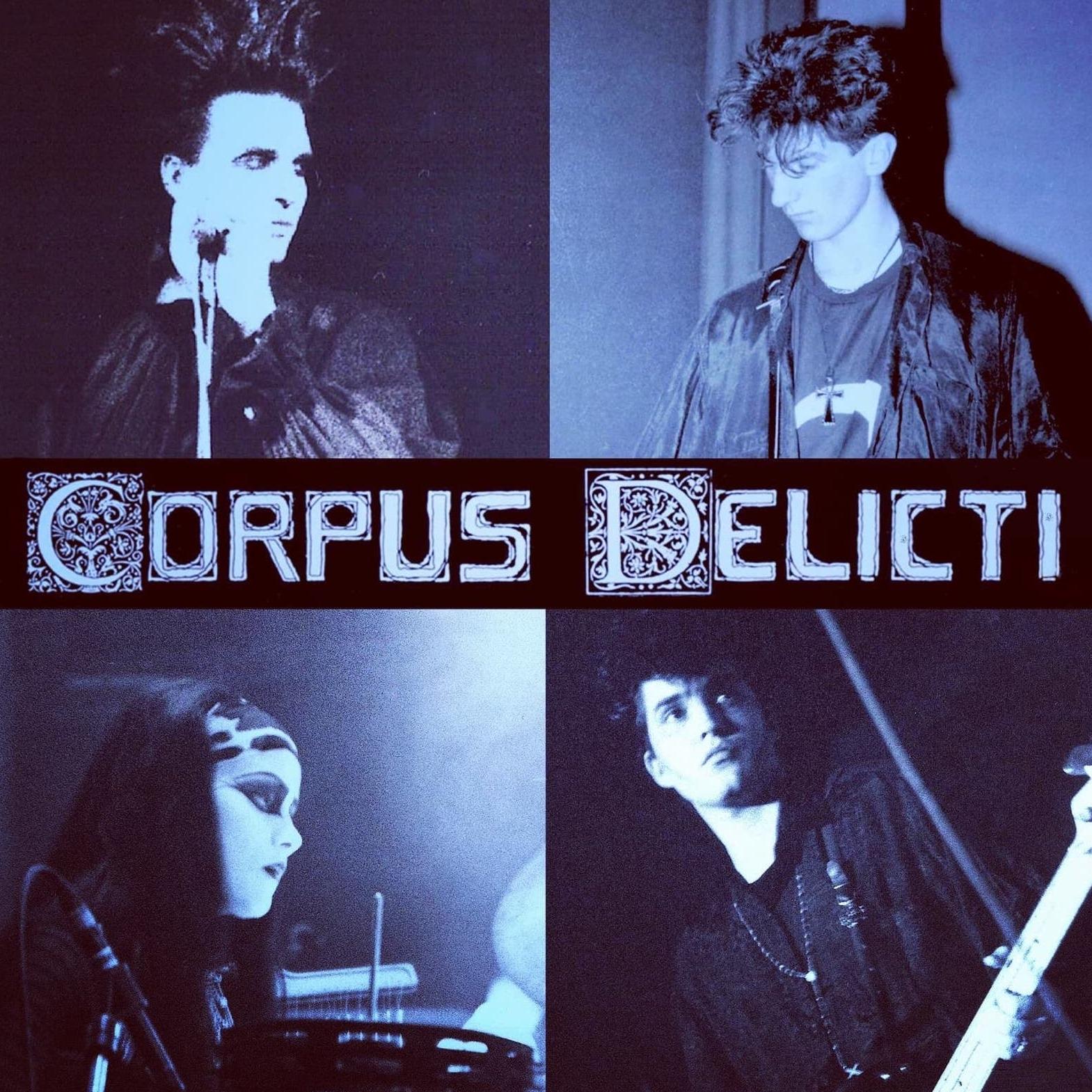
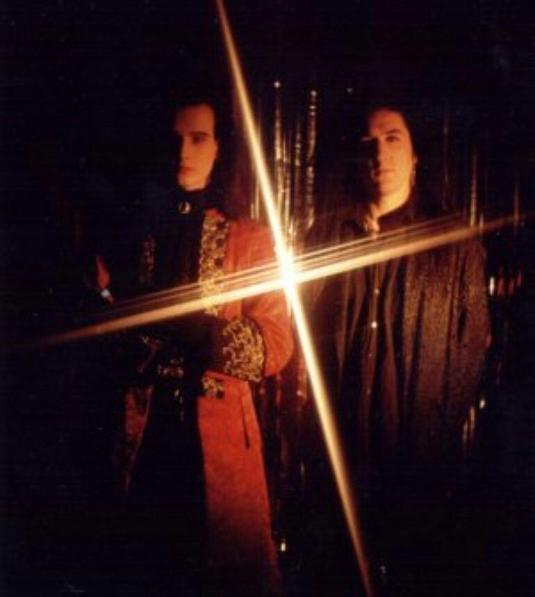
Rosetta Stone’s Spotify BioGoth rock outfit Rosetta Stone started in 1988 when vocalist/guitarist Porl King and bassist Karl North yearned to escape the traditional Brit-pop scene happening in their native Liverpool. A year later, the duo met the Mission's Wayne Hussey, who offered to produce Rosetta Stone's first album. Shortly thereafter, Hussey pulled out of production duties and 1990's self-titled album was released without him. Several singles were put out through the '90s, and Rosetta Stone issued their first full-length, Adrenaline, in 1993. Foundation Stones and the Epitome EP also followed that same year. It was during this time that Rosetta Stone lead the naturally overlooked goth rock/darkwave movement into other musical outlets. Bands such as Nine Inch Nails and the Cult were getting brief national exposure. Drawing from musical influences such as Sisters of Mercy, Bauhaus, and the Cure, Rosetta Stone was delving into their own sonic seascape of brooding vocals and synth-inspired sounds. The band… returned with Tyranny of Inaction in 1995, Hiding in Waiting in 1996, and Chemical Emissions in 1998, establishing themselves as one of Cleopatra's household names and carrying the gothic torch into the mainstream rock & roll circuit. The band broke up with the release of 2000's covers album Unerotica, but resurfaced late in the 2010s with a pair of LPs, Seems Like Forever and Cryptology. ~ MacKenzie Wilson, Rovi
Viberate is a music analytics platform built for A&Rs, artist managers, labels, booking agents, marketers, and artists.
It helps music professionals track artist growth, analyze audience data, monitor playlist activity, compare artists, follow song performance, and identify opportunities across the music market.
Public artist pages provide a free preview of selected artist data. Paid plans provide access to deeper analytics, historical data, charts, comparisons, playlist tools, exports, alerts, reports, and additional professional features.
Yes. Public Viberate artist pages provide selected artist analytics and music data for free.
Viberate also offers a 7-day free trial of the full platform. A credit card is required to start the trial. The trial includes access to the complete product so users can test deeper artist analytics, historical views, playlist insights, comparisons, charts, exports, alerts, and reporting features before choosing a paid plan.
Viberate provides artist analytics across streaming, playlists, social media, video, radio airplay, songs, and audience markets.
Users can analyze Spotify performance, Spotify and Apple Music playlists, YouTube activity, TikTok and Instagram growth, radio spins, song performance, audience locations, demographics, rankings, and overall artist momentum.
Artist profiles also connect to music charts, similar artists, and comparison tools, helping users benchmark performance and evaluate artists in context.
Viberate updates key artist and track data daily.
For followed artists and tracks, selected data is refreshed multiple times per day. This helps teams monitor playlist changes, streaming movement, audience growth, releases, and campaign performance with more current data.
Update frequency can vary depending on the metric and data source.
Yes. Viberate lets users compare up to five artists side by side across streaming, social media, audience, and engagement metrics.
Users can compare fanbase growth, audience demographics, locations, Spotify performance, social metrics, and other artist data over selected time periods.
Artist comparison can be used for A&R scouting, benchmarking, booking decisions, campaign planning, and evaluating artists with similar audiences or market positions.