Phil Seymour

Pop
Indie Pop
Power Pop
 Viberate Rank: 223813
 Viberate Rank: 223813
 Monthly ListenersFollowers
 Subscribers
 Followers
 Followers
 FansTop Spotify Songs
| Track | 7-Day Streams | |
|---|---|---|
1 | 4.92K | |
2 | 1.15K | |
3 | 827 | |
4 | 424 | |
5 | 335 |
Top YouTube Videos| Video | 7-Day Views | |
|---|---|---|
1 | 2.15K |
Monthly ListenersFeatured in Playlists| Playlist | Followers | |
|---|---|---|
1 |  Power Pop Spotify | 165.57K |
2 |  Motorcycle Rock'n Road Júlio Rebelatto | 22.27K |
3 |  Neon Talk Official Playlist Neon Talk | 12.57K |
4 |  SPRINGBOK Radio Hits 📀🇿🇦 RS | 5.30K |
5 |  Ski Hyleco Nauta | 4.29K |
Audience| City | Monthly Listeners | |
|---|---|---|
1 |  | 846 |
2 | | 685 |
3 | | 652 |
4 |  | 556 |
5 | | 383 |
See full performance history, audience data, playlist activity, rankings, comparisons, and more in Viberate music analytics. Start with a free trial, then continue with a paid plan.
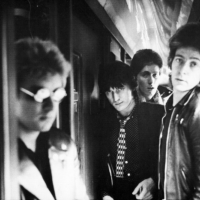
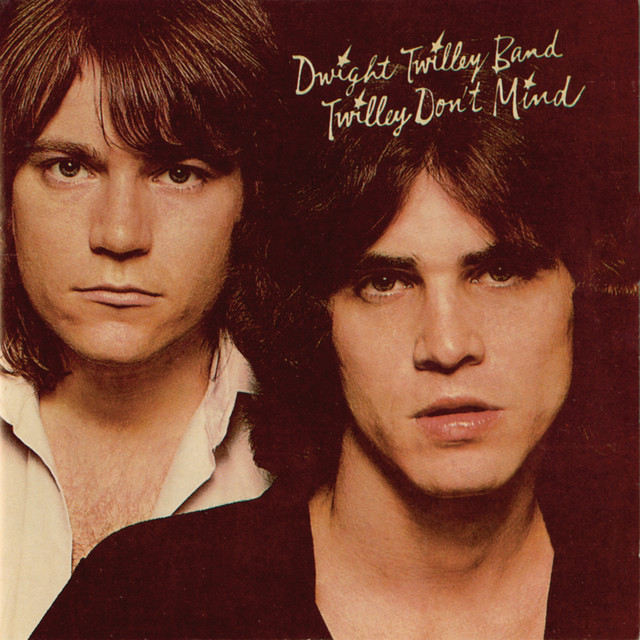
Phil Seymour’s Spotify BioBorn in Oklahoma City, Oklahoma, Phil Seymour is probably best remembered for his time with the Dwight Twilley Band, who turned out some of the finest pop songs of their era, including the classic "I'm on Fire." After two albums (1976's Sincerely and 1978's Twilley Don't Mind), Seymour left to pursue a solo career. While waiting for a recording deal, he began recording solo sessions, as well as contributing session work for Tom Petty, 20/20, and Moon Martin. In 1980, he signed to Boardwalk Records after selling the label on a batch of demos recorded with fellow Tulsa natives 20/20. His self-titled debut was well received at the time (the single "Precious to Me" made it to number 22 on the pop charts) and has become highly revered in power pop circles as one of the landmark albums of the era. He followed in 1982 with 2, a less satisfying album both creatively and commercially. Seymour was left without a label when Boardwalk president Neil Bogart died shortly after the record's release.… In 1984, he joined Carla Olson's Textones, drumming and singing on their Midnight Mission album for A&M. While supporting the album, Seymour was diagnosed with lymphoma. He returned to Oklahoma, carrying on at a diminished pace and recording infrequently, until the disease took his life on August 17, 1993 in Tulsa, while he was preparing a new album. ~ Chris Woodstra, Rovi
Viberate is a music analytics platform built for A&Rs, artist managers, labels, booking agents, marketers, and artists.
It helps music professionals track artist growth, analyze audience data, monitor playlist activity, compare artists, follow song performance, and identify opportunities across the music market.
Public artist pages provide a free preview of selected artist data. Paid plans provide access to deeper analytics, historical data, charts, comparisons, playlist tools, exports, alerts, reports, and additional professional features.
Yes. Public Viberate artist pages provide selected artist analytics and music data for free.
Viberate also offers a 7-day free trial of the full platform. A credit card is required to start the trial. The trial includes access to the complete product so users can test deeper artist analytics, historical views, playlist insights, comparisons, charts, exports, alerts, and reporting features before choosing a paid plan.
Viberate provides artist analytics across streaming, playlists, social media, video, radio airplay, songs, and audience markets.
Users can analyze Spotify performance, Spotify and Apple Music playlists, YouTube activity, TikTok and Instagram growth, radio spins, song performance, audience locations, demographics, rankings, and overall artist momentum.
Artist profiles also connect to music charts, similar artists, and comparison tools, helping users benchmark performance and evaluate artists in context.
Viberate updates key artist and track data daily.
For followed artists and tracks, selected data is refreshed multiple times per day. This helps teams monitor playlist changes, streaming movement, audience growth, releases, and campaign performance with more current data.
Update frequency can vary depending on the metric and data source.
Yes. Viberate lets users compare up to five artists side by side across streaming, social media, audience, and engagement metrics.
Users can compare fanbase growth, audience demographics, locations, Spotify performance, social metrics, and other artist data over selected time periods.
Artist comparison can be used for A&R scouting, benchmarking, booking decisions, campaign planning, and evaluating artists with similar audiences or market positions.