Paul Collins Beat

Rock
Alternative Rock
Power Pop
 Viberate Rank: 194145
 Viberate Rank: 194145
 Monthly ListenersFollowers
 Subscribers
 Followers
 Followers
 FansTop Spotify Songs
| Track | 7-Day Streams | |
|---|---|---|
1 | 323 | |
2 | 174 | |
3 | 164 | |
4 | 118 | |
5 | 81 |
Top YouTube Videos| Video | 7-Day Views | |
|---|---|---|
1 | 7 | |
2 | 3 | |
3 | 2 | |
4 | 2 | |
5 | 1 |
Monthly ListenersFeatured in Playlists| Playlist | Followers | |
|---|---|---|
1 |  El Sótano de Radio 3 Groovyfamily | 9.84K |
2 |  We are the Mods Teodoro Baruzzo | 4.41K |
3 | Power Pop/Punk Oldies de11even | 3.52K |
4 | POWER POP Hayley Grimes | 3.41K |
5 |  Road songs mayapalmer | 3.11K |
Audience| City | Monthly Listeners | |
|---|---|---|
1 |  | 92 |
2 | | 75 |
3 | | 38 |
4 | | 32 |
5 | | 32 |
See full performance history, audience data, playlist activity, rankings, comparisons, and more in Viberate music analytics. Start with a free trial, then continue with a paid plan.
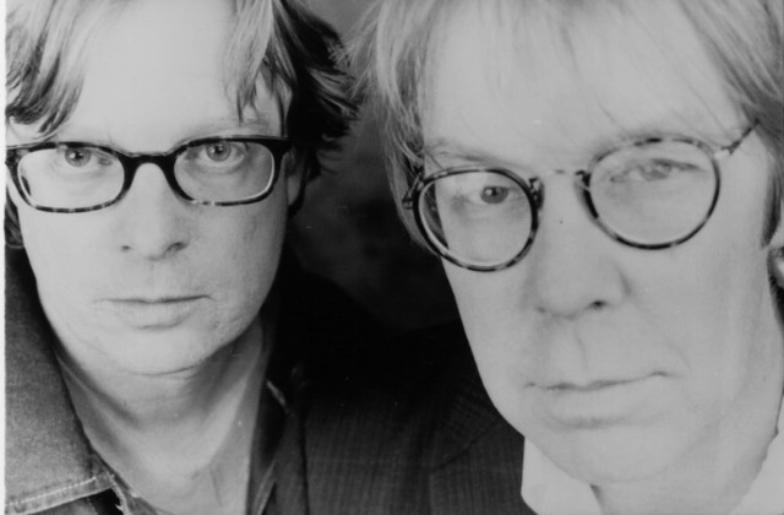
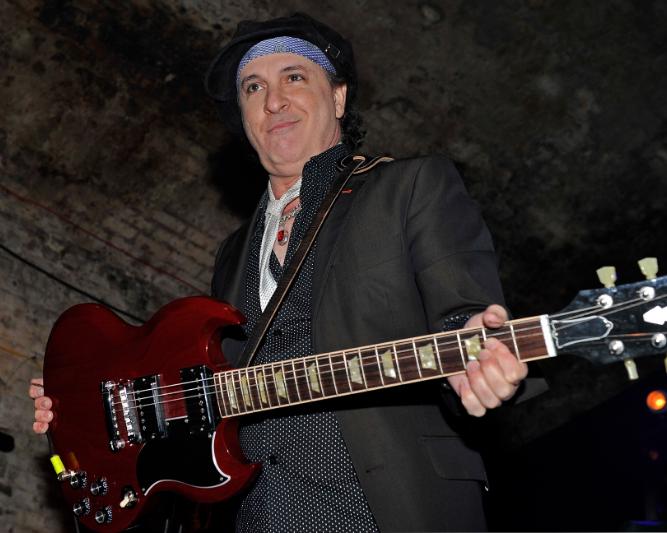
Paul Collins Beat’s Spotify BioOne of the best bands to emerge from the West Coast new wave/power pop boom of the late '70s, the Paul Collins' Beat (aka the Beat) merged tough but hook-laden tunes with vigorous, upbeat performances and plenty of rock-solid guitar work. Collins was one of the pioneering figures on the Los Angeles scene at the dawn of punk as part of the influential pop band the Nerves, and he went on to lead the Beat, who issued a cult-classic debut album in 1979. Collins would lead the group through a constantly shifting lineup into the 2000s, and while the country and roots rock influences of his solo work of the '90s would color 1988's One Night and 2006's Flying High, the Beat's signature sound, driven by Collins' spunky rhythm guitars and succinct songwriting, would remain their trademark and please power pop fans around the world, especially in Spain.
Paul Collins was born in New York City; his father was a civilian who worked with the U.S. military, a job that kept his family on the move, and… young Paul spent time in Greece, Vietnam, and Europe before ending up back in Manhattan at the age of 14. After graduating from high school, Collins studied composition at the Juilliard School of Music, but listening to AM radio and seeing shows at the Fillmore East had a greater impact on him, and in the early '70s he moved to California to pursue his musical vision of short, punchy rock songs with copious hooks.
In 1974, Collins met like-minded songwriters Peter Case and Jack Lee, and they formed a pioneering power pop band called the Nerves. Playing fast, ear-catching pop songs while wearing matching pink suits, the Nerves had more than a bit of the street energy that would later manifest in Los Angeles' early punk movement, and like the punks, the Nerves made their own opportunities when L.A. clubs didn't know what to make of them. The Nerves booked their own shows, did a nationwide tour of small venues on their own dime, and in 1976 put out a four-song 7" EP on their own label.
While Blondie would have an early hit with a Nerves cover, "Hanging on the Telephone," the band broke up in 1978, and not long afterward Collins set out to form a new band. Hooking up with bassist Steve Huff, former Milk 'n' Cookies drummer Mike Ruiz, and guitarist Larry Whitman, Collins formed the Beat, whose tight, wiry hard-rockin' pop tunes picked up where the Nerves left off. Championed by Eddie Money, the Beat landed a management deal with West Coast rock powerhouse Bill Graham and a record contract with Columbia, releasing their first album (simply called The Beat) in 1979. While reviews were positive, for the most part American radio was still closed to "new wave" bands, and when the Knack broke through later the same year, it didn't help that the Knack sounded more than a little bit like the Beat -- leading some to believe Collins was copying a style he had helped to invent.
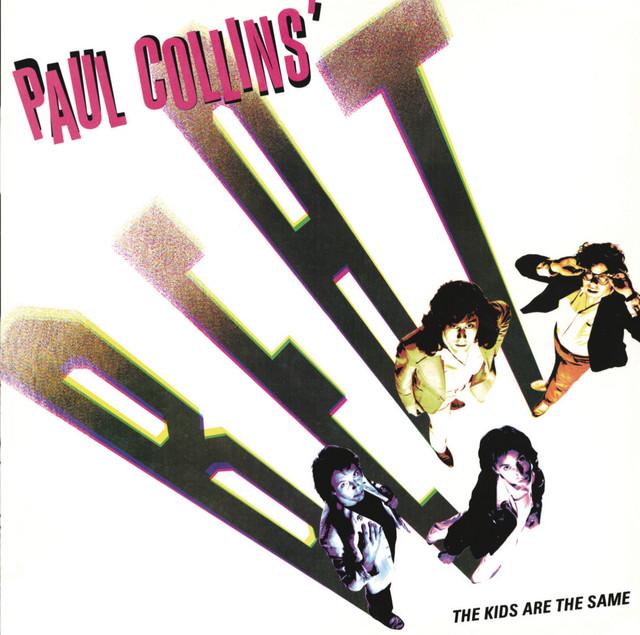
It wasn't until 1982 that Collins was able to release a follow-up, and thanks to the burgeoning popularity of the British ska band the Beat, The Kids Are the Same was credited to Paul Collins' Beat. (It also featured drummer Dennis Conway, who replaced Mike Ruiz in the lineup.) Despite extensive touring, the album fared poorly with record buyers, and Columbia dropped the band; their next record, 1983's To Beat or Not to Beat, was an EP for the independent Passport label. The disc also featured a new edition of the band, with Collins and Steve Huff joined by guitarist Jimmy Ripp (who had worked with Tom Verlaine) and drummer Jay Dee Daugherty (best known for his work with the Patti Smith Group). Another indie EP, Long Time Gone, appeared in 1985; this time, Collins and Huff were joined by guitarist Jim Barber and drummer Paul Bultitude. Collins and the Beat had developed a loyal Spanish fan following, and Collins and Huff played several Beat shows in Spain, with help from guitarist Emilio Huertas and drummer Manolo De Palma. A July 1986 concert in Madrid was recorded and released as Live at the Universal. The live disc was issued by the Spanish indie label Producciones Twins, who struck a deal with Collins for his next Beat album, 1988's One Night. Once again, the group had gone through personnel changes, and guitarist and multi-instrumentalist Jeff Leeds and percussionist Hector Toro joined them for the sessions.
After One Night had run its course, Collins struck out on his own and released a pair of fine country-rock albums, 1992's Paul Collins and 1993's From Town to Town. In 1997, Collins brought out the album Live in Spain, and while not credited to the Beat, the performance was dominated by songs from the group's catalog. In 2005, Collins put together a new version of the Beat for a tour of Europe, and a digital-only live album from the road trip was released online. Working with a handful of Spanish musicians, including guitarist Octavio Vinck, bassist Carlos Guardado, and drummer Gines Martinez, Collins cut another Paul Collins' Beat album, 2006's Flying High. While playing a festival date in Italy, Collins and Vinck met Swedish producer Chips Kiesbye, best known for his work with the Hellacopters and the Nomads. Collins asked Kiesbye if he'd like to produce his next album, and Kiesbye immediately said yes. With Kiesbye at the controls, Collins and his latest edition of the Beat recorded Ribbon of Gold, which was released in 2008.
Two years later, Collins had retired the name the Paul Collins' Beat and released his album King of Power Pop simply as Paul Collins, though the album certainly reflected the tough but tuneful approach of the band's classic era. Collins unearthed a treat for fans of the Beat's first era with the cassette-only release Live 1979, assembled from archival recordings of two shows from that year. He offered another look into his past with the 2020 collecton Another World: The Best of the Archives, drawn from his collection of rare and unreleased Beat material. ~ Mark Deming, Rovi
Viberate is a music analytics platform built for A&Rs, artist managers, labels, booking agents, marketers, and artists.
It helps music professionals track artist growth, analyze audience data, monitor playlist activity, compare artists, follow song performance, and identify opportunities across the music market.
Public artist pages provide a free preview of selected artist data. Paid plans provide access to deeper analytics, historical data, charts, comparisons, playlist tools, exports, alerts, reports, and additional professional features.
Yes. Public Viberate artist pages provide selected artist analytics and music data for free.
Viberate also offers a 7-day free trial of the full platform. A credit card is required to start the trial. The trial includes access to the complete product so users can test deeper artist analytics, historical views, playlist insights, comparisons, charts, exports, alerts, and reporting features before choosing a paid plan.
Viberate provides artist analytics across streaming, playlists, social media, video, radio airplay, songs, and audience markets.
Users can analyze Spotify performance, Spotify and Apple Music playlists, YouTube activity, TikTok and Instagram growth, radio spins, song performance, audience locations, demographics, rankings, and overall artist momentum.
Artist profiles also connect to music charts, similar artists, and comparison tools, helping users benchmark performance and evaluate artists in context.
Viberate updates key artist and track data daily.
For followed artists and tracks, selected data is refreshed multiple times per day. This helps teams monitor playlist changes, streaming movement, audience growth, releases, and campaign performance with more current data.
Update frequency can vary depending on the metric and data source.
Yes. Viberate lets users compare up to five artists side by side across streaming, social media, audience, and engagement metrics.
Users can compare fanbase growth, audience demographics, locations, Spotify performance, social metrics, and other artist data over selected time periods.
Artist comparison can be used for A&R scouting, benchmarking, booking decisions, campaign planning, and evaluating artists with similar audiences or market positions.