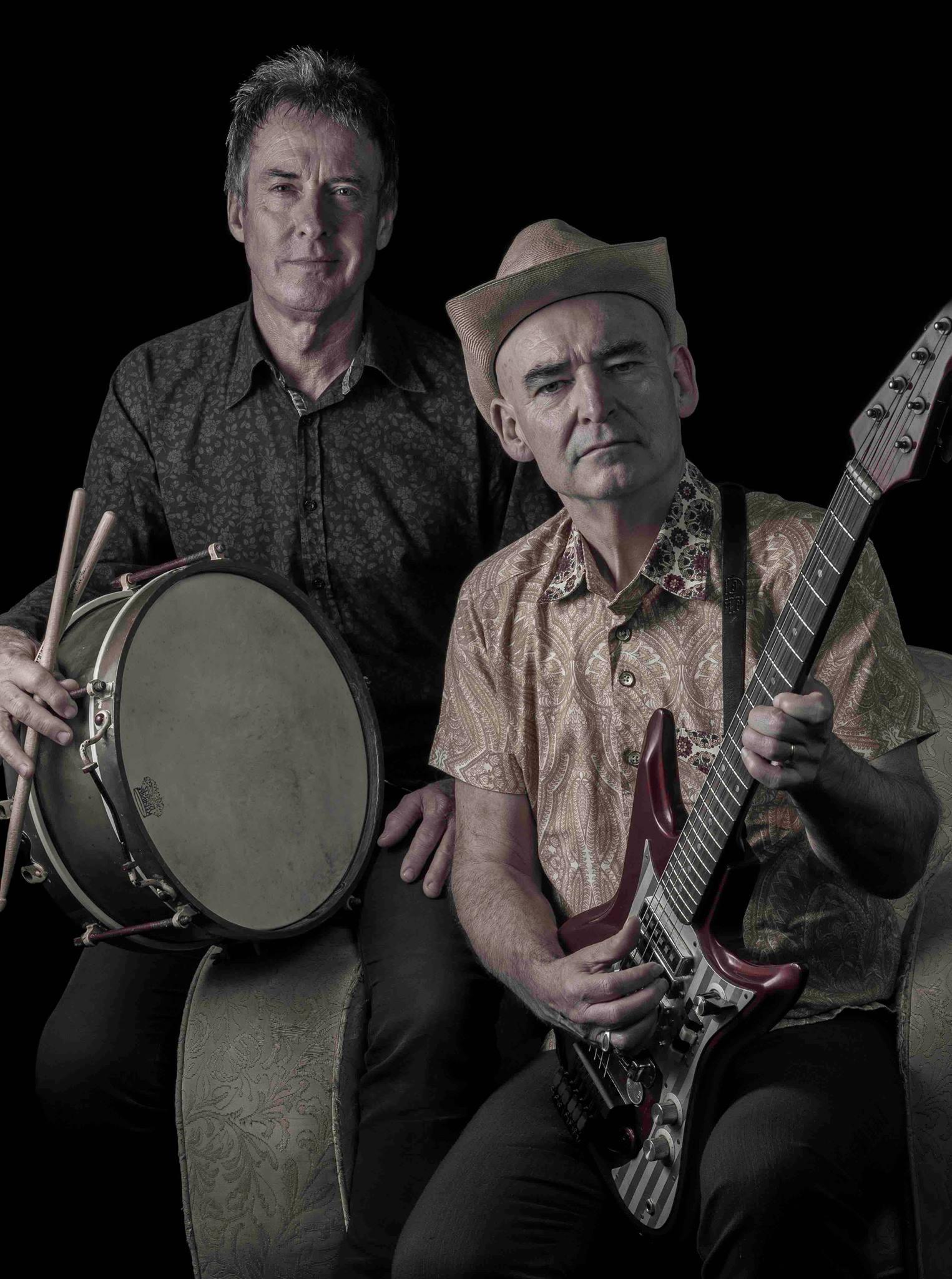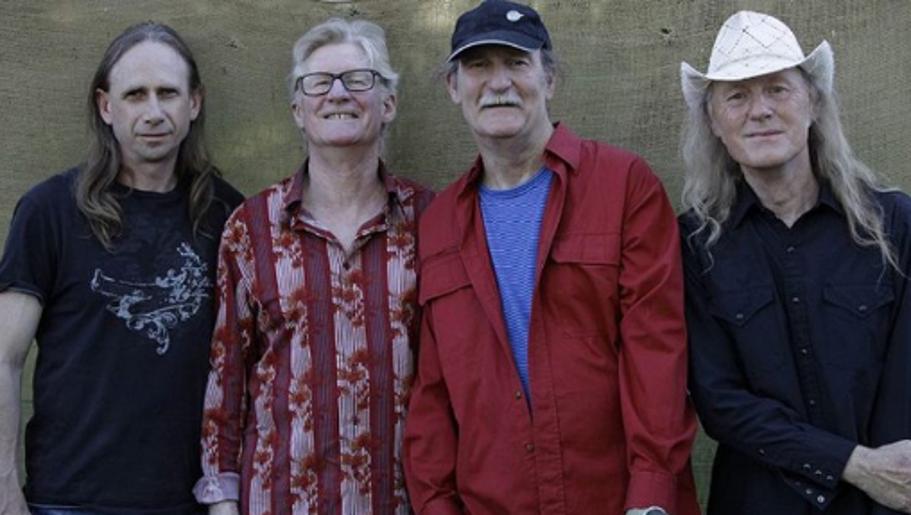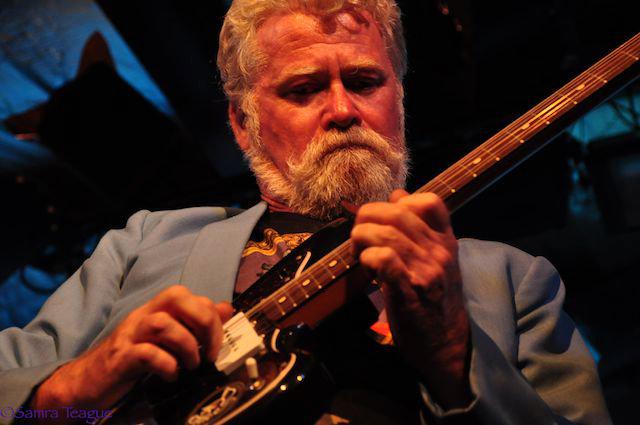
Phil Manning

Blues
Blues Rock
Contemporary Blues
 Viberate Rank: 494262
 Viberate Rank: 494262
 Monthly ListenersFollowers
 Subscribers
 Followers
 Followers
 FansTop Spotify Songs
| Track | 7-Day Streams | |
|---|---|---|
1 | 393 | |
2 | 91 | |
3 | 73 | |
4 | 66 | |
5 | 31 |
Top YouTube VideosMonthly ListenersFeatured in Playlists| Playlist | Followers | |
|---|---|---|
1 |  Mississippi Shakedown lanewaymusic | 3.98K |
2 | Ultimate Bob Dylan Covers- The Original zenreader | 1.04K |
3 |  Bang a Gong: the 70s Voyage Media | 1.02K |
Audience| City | Monthly Listeners | |
|---|---|---|
1 | | 330 |
2 | | 228 |
3 | | 182 |
4 | | 177 |
5 | | 98 |
See full performance history, audience data, playlist activity, rankings, comparisons, and more in Viberate music analytics. Start with a free trial, then continue with a paid plan.
Phil Manning’s Spotify BioSinger/songwriter/guitarist Phil Manning brought the lyrical side of the blues to Australia. As a founding member of Chain, one of Australia's best known blues bands, Manning has been equally successful as a soloist and sideman for a lengthy list of artists including Bo Diddley, Champion Jack Dupree, Mick Taylor, Kristina Olsen, and Guitar Shorty.
The grandson of a Tasmanian bandleader, Manning cites Blind Blake, Robert Johnson, Doc Watson, and Celtic music as influences. In 1967, he began playing with harp player and vocalist Matt Taylor in a short lived band, Bay City Union. Following the group's disbanding in 1968, Manning and Taylor formed Chain. Although Chain's debut album, Live (1969), hinted at the band's abilities, the group's second album, Towards the Blues, made them national superstars and was certified for gold status twice. The band continued its success with the release of Live Again in 1973 and Two of a Kind in 1974.
Launching his solo career in 1977, Manning showcased… his slide and fingerstyle guitar playing on his debut solo album, I Wish There Was a Way. He continued to focus exclusively on his solo career for the next six years until 1980 when he formed a new group, the Oz Band, with keyboardist Bob Patient, harp player Howie Smallman, bassist Roy Daniels, and drummer Rick Whittle. The band's first album, Oz Blues, reunited Manning and Taylor.
Resurrected in 1983, Chain released their fifth album, Child Of The Street. The reunion was short-lived, however, and the group did not record another album together until 1999 when they recorded, Mix Up The Oils. Manning, meanwhile, continued to record on his own, releasing It's Blues in 1988, Live At Stony Bridge in 1990, Can't Stop in 1992, The Back Shed in 1994, and Two Roads in 1998. ~ Craig Harris, Rovi
Viberate is a music analytics platform built for A&Rs, artist managers, labels, booking agents, marketers, and artists.
It helps music professionals track artist growth, analyze audience data, monitor playlist activity, compare artists, follow song performance, and identify opportunities across the music market.
Public artist pages provide a free preview of selected artist data. Paid plans provide access to deeper analytics, historical data, charts, comparisons, playlist tools, exports, alerts, reports, and additional professional features.
Yes. Public Viberate artist pages provide selected artist analytics and music data for free.
Viberate also offers a 7-day free trial of the full platform. A credit card is required to start the trial. The trial includes access to the complete product so users can test deeper artist analytics, historical views, playlist insights, comparisons, charts, exports, alerts, and reporting features before choosing a paid plan.
Viberate provides artist analytics across streaming, playlists, social media, video, radio airplay, songs, and audience markets.
Users can analyze Spotify performance, Spotify and Apple Music playlists, YouTube activity, TikTok and Instagram growth, radio spins, song performance, audience locations, demographics, rankings, and overall artist momentum.
Artist profiles also connect to music charts, similar artists, and comparison tools, helping users benchmark performance and evaluate artists in context.
Viberate updates key artist and track data daily.
For followed artists and tracks, selected data is refreshed multiple times per day. This helps teams monitor playlist changes, streaming movement, audience growth, releases, and campaign performance with more current data.
Update frequency can vary depending on the metric and data source.
Yes. Viberate lets users compare up to five artists side by side across streaming, social media, audience, and engagement metrics.
Users can compare fanbase growth, audience demographics, locations, Spotify performance, social metrics, and other artist data over selected time periods.
Artist comparison can be used for A&R scouting, benchmarking, booking decisions, campaign planning, and evaluating artists with similar audiences or market positions.