Chain

Blues
Contemporary Blues
 Viberate Rank: 335186
 Viberate Rank: 335186
 Monthly ListenersFollowers
 Subscribers
 Followers
 Followers
 FansTop Spotify Songs
| Track | 7-Day Streams | |
|---|---|---|
1 | 1.27K | |
2 | 473 | |
3 | 417 | |
4 | 380 | |
5 | 360 |
Top YouTube VideosMonthly ListenersFeatured in Playlists| Playlist | Followers | |
|---|---|---|
1 |  Bluesfest 2022 Playlist Bluesfest | 7.41K |
2 |  60s & 70s Underground Rock Bobby Floccari | 5.04K |
3 |  Mississippi Shakedown lanewaymusic | 3.98K |
4 |  Australian COUNTDOWN! (1/3) 70's TOP 1000 timl1410 | 3.30K |
5 | Blues & Boogie Rock elidma | 2.37K |
Audience| City | Monthly Listeners | |
|---|---|---|
1 | | 1.86K |
2 | | 1.15K |
3 | | 1.04K |
4 | | 757 |
5 | | 675 |
See full performance history, audience data, playlist activity, rankings, comparisons, and more in Viberate music analytics. Start with a free trial, then continue with a paid plan.
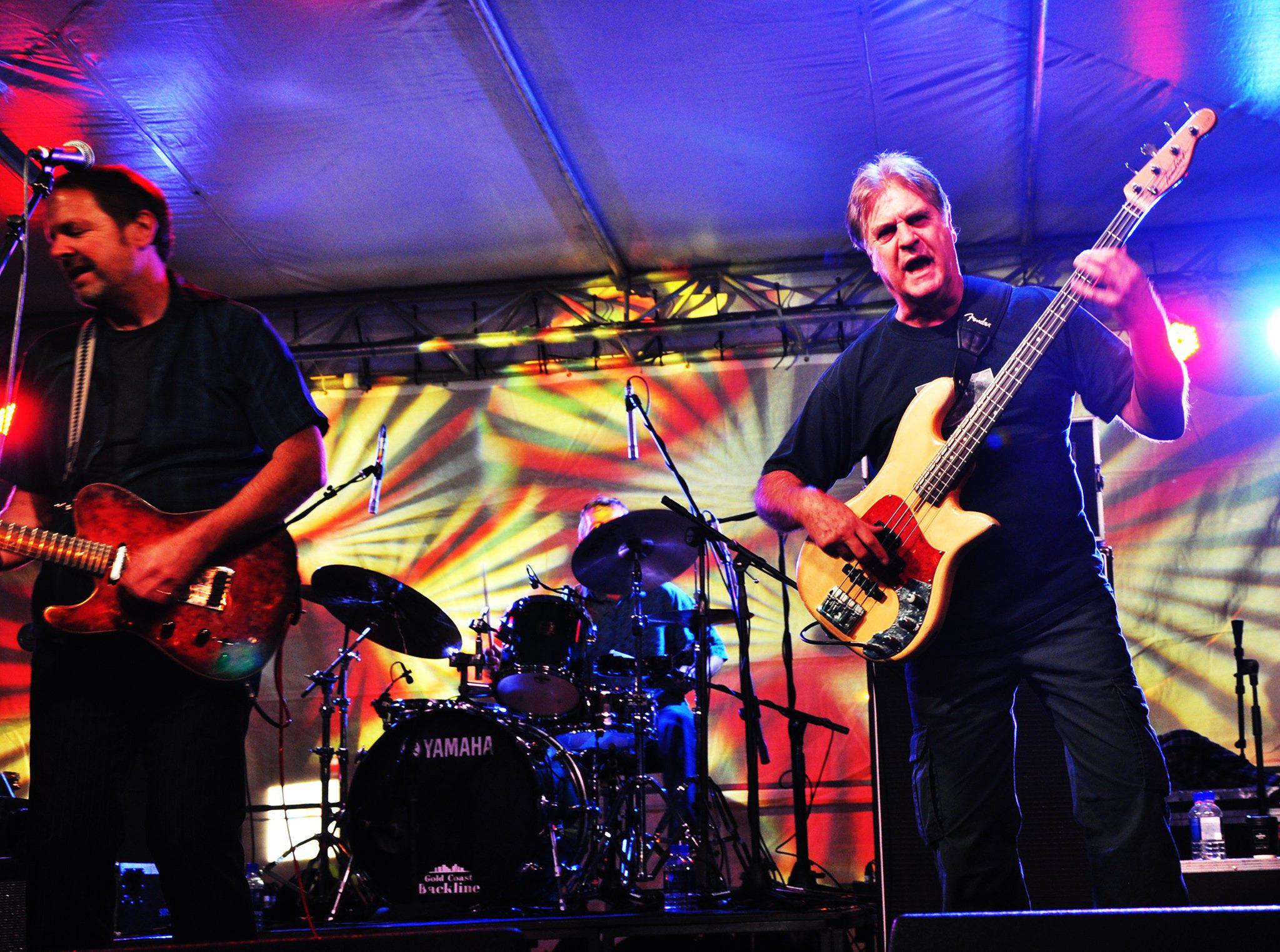
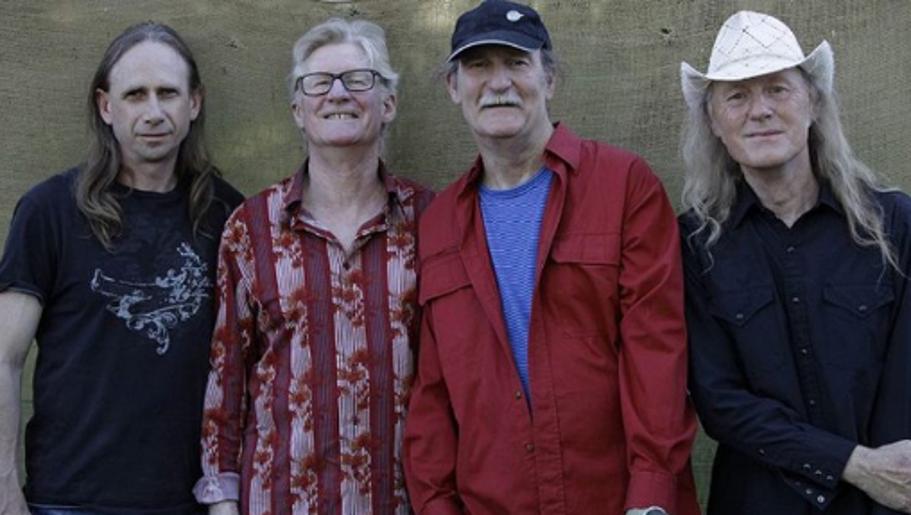
Chain’s Spotify BioOver 40 musicians have been a member of Chain, one of Australia's premier blues bands that has been going strong for over three decades.
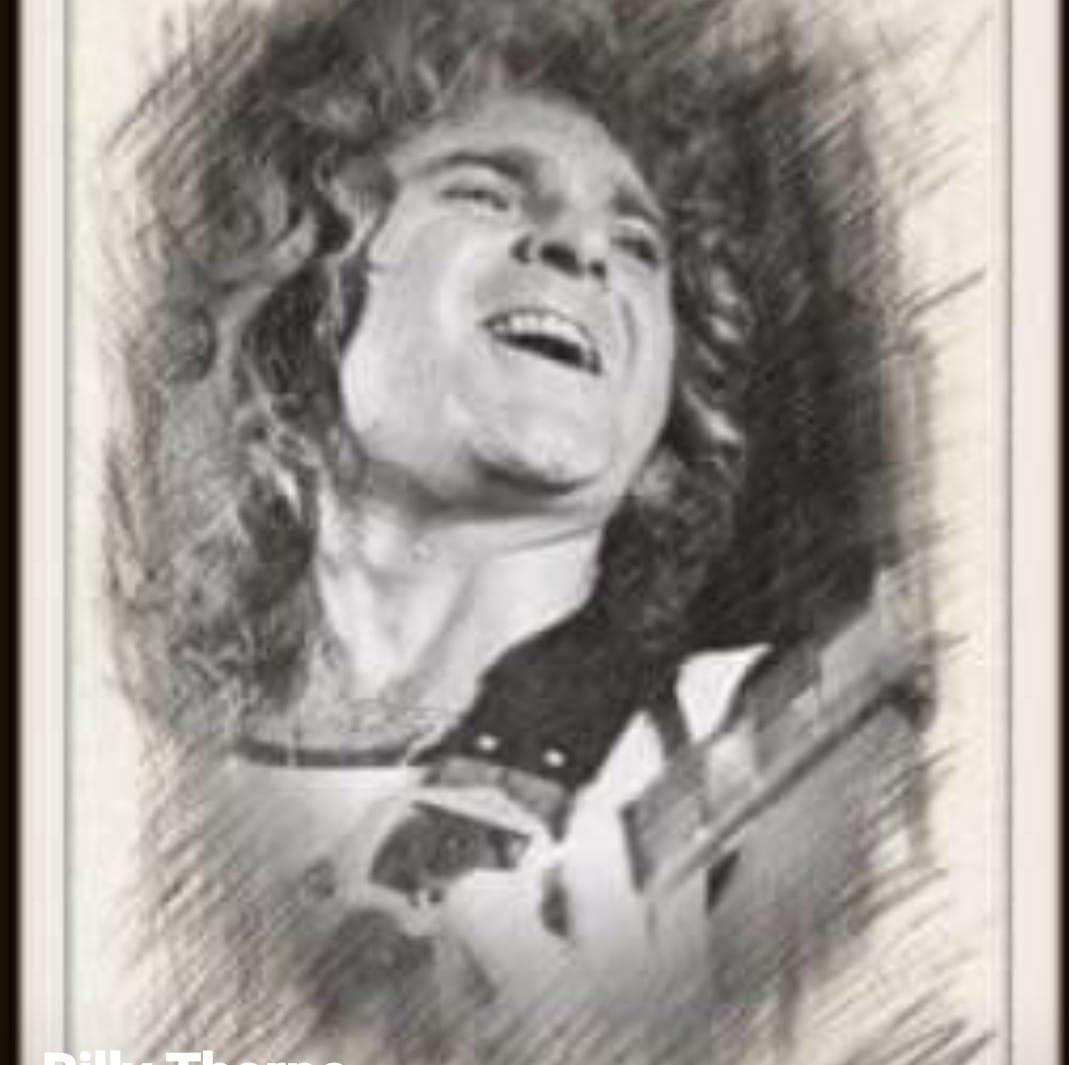
Formed from the remnants of Perth band the Beaten Tracks in 1968, the Chain were named by singer Wendy Saddington after the classic soul track "Chain of Fools." Saddington soon left and the band released one of Australia's first progressive blues singles, "Show Me Home," in 1969. Soon after, the Chain shortened their moniker to Chain. In June 1970, Chain recorded the classic live album, Live Chain, at Caesar's Palace discotheque, and along with other Australian acts like Billy Thorpe and the Aztecs, Carson, and the Adderley Smith Blues Band, were considered at the forefront of the Australian blues movement.
Signing a new deal with Infinity, the blues subsidiary of Festival, Chain released the single "Black and Blue," which reached number ten on the national charts in May 1971. The classic album Toward the Blues peaked at number six in 1971 and is… considered one of Australia's greatest blues albums. The follow-up single, "Judgement," established Chain as the nation's leading progressive blues band. Chain Live Again was released in October 1972 and Chain went on to appear at the first Sunbury Festival in January 1972.
In 1973, the band singed with the new Mushroom label and issued the Two of a Kind album. Chain's rotating lineup broke up in 1974 and Mushroom issued the retrospective History of Chain album. Six years later, interest in Chain was still strong and they played at the Mushroom Evolution Concert in January 1982 to celebrate Mushroom's tenth anniversary. They re-formed permanently in 1983 and released Child of the Street in October 1985. Their next album, Australian Rhythm and Blues, was released in April 1988, followed by Blue Metal in May 1990. Several members undertook a tour of Australia in 1991 as Blues Power, while another member, Matt Taylor, toured as Matt Taylor's Chain, who released the album Walls 2 McGoo (Trouble in the Wind) in 1992. The original Chain again undertook a national tour in 1995. ~ Brendan Swift, Rovi
Viberate is a music analytics platform built for A&Rs, artist managers, labels, booking agents, marketers, and artists.
It helps music professionals track artist growth, analyze audience data, monitor playlist activity, compare artists, follow song performance, and identify opportunities across the music market.
Public artist pages provide a free preview of selected artist data. Paid plans provide access to deeper analytics, historical data, charts, comparisons, playlist tools, exports, alerts, reports, and additional professional features.
Yes. Public Viberate artist pages provide selected artist analytics and music data for free.
Viberate also offers a 7-day free trial of the full platform. A credit card is required to start the trial. The trial includes access to the complete product so users can test deeper artist analytics, historical views, playlist insights, comparisons, charts, exports, alerts, and reporting features before choosing a paid plan.
Viberate provides artist analytics across streaming, playlists, social media, video, radio airplay, songs, and audience markets.
Users can analyze Spotify performance, Spotify and Apple Music playlists, YouTube activity, TikTok and Instagram growth, radio spins, song performance, audience locations, demographics, rankings, and overall artist momentum.
Artist profiles also connect to music charts, similar artists, and comparison tools, helping users benchmark performance and evaluate artists in context.
Viberate updates key artist and track data daily.
For followed artists and tracks, selected data is refreshed multiple times per day. This helps teams monitor playlist changes, streaming movement, audience growth, releases, and campaign performance with more current data.
Update frequency can vary depending on the metric and data source.
Yes. Viberate lets users compare up to five artists side by side across streaming, social media, audience, and engagement metrics.
Users can compare fanbase growth, audience demographics, locations, Spotify performance, social metrics, and other artist data over selected time periods.
Artist comparison can be used for A&R scouting, benchmarking, booking decisions, campaign planning, and evaluating artists with similar audiences or market positions.