Phil Fearon

Pop
Mainstream Pop
Disco house
 Viberate Rank: 140130
 Viberate Rank: 140130
 Monthly ListenersFollowers
 Subscribers
 Followers
 Followers
 FansTop Spotify Songs
| Track | 7-Day Streams | |
|---|---|---|
1 | 16.78K | |
2 | 13.02K | |
3 | 7.53K | |
4 | 6.00K | |
5 | 4.33K |
Top YouTube VideosMonthly ListenersFeatured in Playlists| Playlist | Followers | |
|---|---|---|
1 |  60s 70s 80s 90s 00s Greatest Hits and Songs Diestro Music | 51.95K |
2 |  ANTENA 1 ⭐️ Sucessos e Clássicos Internacionais Flashback Carlos Eduardo 🇧🇷 | 46.15K |
3 | Alpha FM - Sequência de Classe ivamo | 41.63K |
4 | Funky 80's Pascal Amiaud | 37.68K |
5 | Retro Dance 70s 80s tbqjong | 32.94K |
Audience| City | Monthly Listeners | |
|---|---|---|
1 |  | 4.28K |
2 |  | 4.12K |
3 |  | 3.03K |
4 | | 2.74K |
5 | | 1.82K |
See full performance history, audience data, playlist activity, rankings, comparisons, and more in Viberate music analytics. Start with a free trial, then continue with a paid plan.
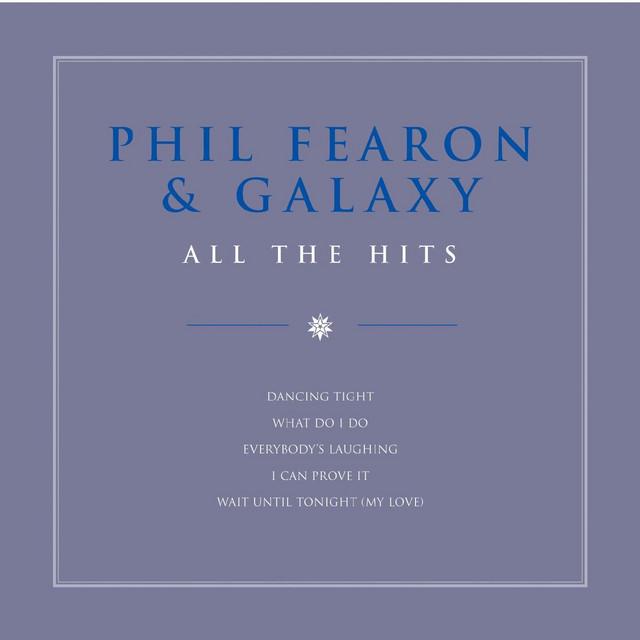
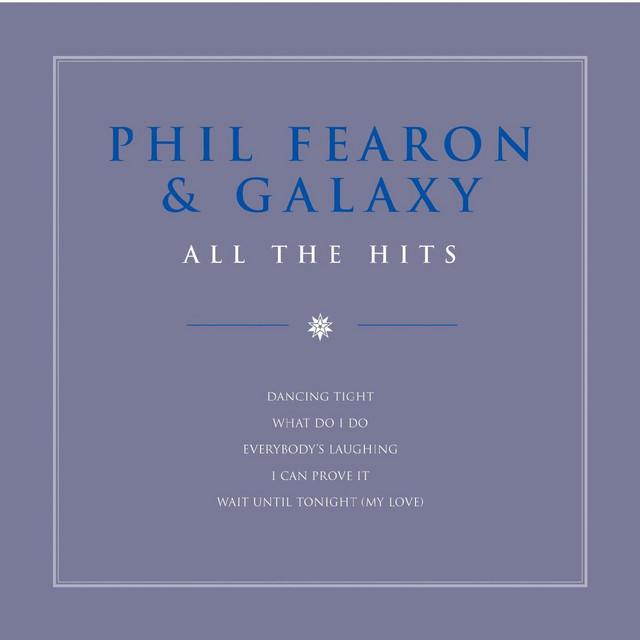
Phil Fearon’s Spotify Biob. 30 July 1956, Jamaica, West Indies. This multi-instrumentalist, singer-songwriter and producer moved to Britain in 1962. After running a reggae sound system he joined Hott Wax, (who evolved into Brit Funk pioneers Hi-Tension after he left) and in the late 70s was a mainstay of hit group Kandidate. He set up a studio in his north London house and initially recorded with the group Proton on Champagne. Fearon’s first recording as Galaxy (with assistance from singers Julie and Dorothy) was ‘Head Over Heels’ on Ensign in 1982, which became a club hit. The first success came with the Top 5 hit ‘Dancing Tight’ in 1983 and over the next 15 months they chalked up a further four UK Top 40 singles including Top 10s ‘What Do I Do’ and ‘Everybody’s Laughing’. Their radio-friendly pop/soul debut album Phil Fearon & Galaxy also made the Top 10 in 1984. After a quiet period Fearon returned to the Top 10 for the last time with a revival of Tony Etoria’s ‘I Can Prove It’ in 1986 (also a small US R&B… hit). He continued to run a production company from his home making commercial dance records.
Viberate is a music analytics platform built for A&Rs, artist managers, labels, booking agents, marketers, and artists.
It helps music professionals track artist growth, analyze audience data, monitor playlist activity, compare artists, follow song performance, and identify opportunities across the music market.
Public artist pages provide a free preview of selected artist data. Paid plans provide access to deeper analytics, historical data, charts, comparisons, playlist tools, exports, alerts, reports, and additional professional features.
Yes. Public Viberate artist pages provide selected artist analytics and music data for free.
Viberate also offers a 7-day free trial of the full platform. A credit card is required to start the trial. The trial includes access to the complete product so users can test deeper artist analytics, historical views, playlist insights, comparisons, charts, exports, alerts, and reporting features before choosing a paid plan.
Viberate provides artist analytics across streaming, playlists, social media, video, radio airplay, songs, and audience markets.
Users can analyze Spotify performance, Spotify and Apple Music playlists, YouTube activity, TikTok and Instagram growth, radio spins, song performance, audience locations, demographics, rankings, and overall artist momentum.
Artist profiles also connect to music charts, similar artists, and comparison tools, helping users benchmark performance and evaluate artists in context.
Viberate updates key artist and track data daily.
For followed artists and tracks, selected data is refreshed multiple times per day. This helps teams monitor playlist changes, streaming movement, audience growth, releases, and campaign performance with more current data.
Update frequency can vary depending on the metric and data source.
Yes. Viberate lets users compare up to five artists side by side across streaming, social media, audience, and engagement metrics.
Users can compare fanbase growth, audience demographics, locations, Spotify performance, social metrics, and other artist data over selected time periods.
Artist comparison can be used for A&R scouting, benchmarking, booking decisions, campaign planning, and evaluating artists with similar audiences or market positions.