Paul Buchanan

Pop
Indie Pop
Downtempo
 Viberate Rank: 128954
 Viberate Rank: 128954
 Monthly ListenersFollowers
 Subscribers
 Followers
 Followers
 FansTop Spotify Songs
| Track | 7-Day Streams | |
|---|---|---|
1 | 26.12K | |
2 | 22.50K | |
3 | 15.80K | |
4 | 14.43K | |
5 | 8.09K |
Top YouTube VideosMonthly ListenersFeatured in Playlists| Playlist | Followers | |
|---|---|---|
1 |  Jazzy Romance Spotify | 1.30M |
2 |  Música Clásica Germán García Lillo | 341.89K |
3 |  Lullabies for Sleep 💤 Curativ Music | 140.26K |
4 |  Classical Piano Essentials Pianoramix | 138.31K |
5 |  Soft instrumental music NW RECORDINGS | 115.87K |
Audience| City | Monthly Listeners | |
|---|---|---|
1 | | 1.69K |
2 |  | 879 |
3 |  | 799 |
4 | | 763 |
5 |  | 551 |
See full performance history, audience data, playlist activity, rankings, comparisons, and more in Viberate music analytics. Start with a free trial, then continue with a paid plan.
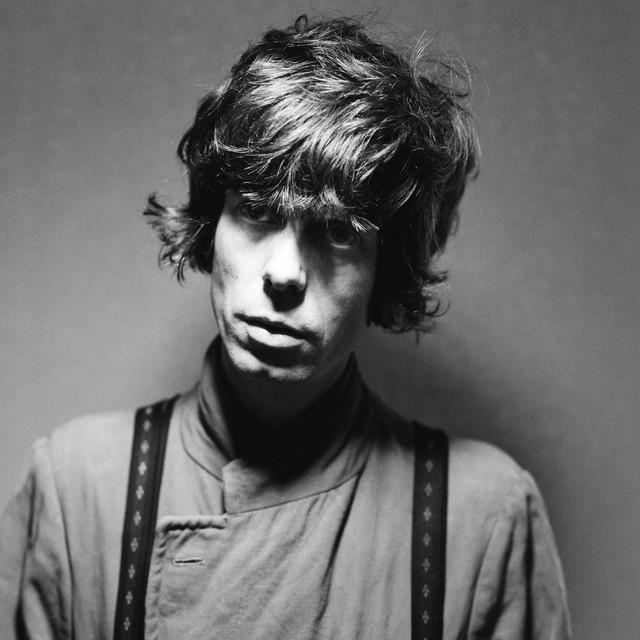
Paul Buchanan’s Spotify BioConsidering the lengthy amount of time between the Blue Nile's first three albums, the work ethic of frontman Paul Buchanan (vocals, guitar) is often questioned. However, Buchanan's work with the Blue Nile has always been critically praised, no matter how long it took to hear them. Buchanan was born on April 16, 1956, in Edinburgh, Scotland. In 1980, Buchanan formed the Blue Nile, named after Alan Moorehead's 1962 book, with fellow Glasgow University graduates Robert Bell (bass) and Paul Joseph Moore (keyboards). The group released its debut LP, A Walk Across the Rooftops, in 1984. The album's lush, atmospheric pop was lauded in the U.K.; Buchanan's velvety voice recalled Bryan Ferry's silky croon and Scott Walker's melancholy baritone. While A Walk Across the Rooftops earned the Blue Nile flattering reviews, the band's modest image and refusal to perform live gave them anonymity, allowing their music to take prominence; Buchanan once wasn't even recognized by friends in a bar to be a… member of the group. After A Walk Across the Rooftops, the Blue Nile scored the film Goven Ghost Story and recorded the theme music for Halfway to Paradise. Five years passed before the Blue Nile released their second album, Hats. In 1996, Peace at Last was a Top 20 hit in the U.K. ~ Michael Sutton, Rovi
Viberate is a music analytics platform built for A&Rs, artist managers, labels, booking agents, marketers, and artists.
It helps music professionals track artist growth, analyze audience data, monitor playlist activity, compare artists, follow song performance, and identify opportunities across the music market.
Public artist pages provide a free preview of selected artist data. Paid plans provide access to deeper analytics, historical data, charts, comparisons, playlist tools, exports, alerts, reports, and additional professional features.
Yes. Public Viberate artist pages provide selected artist analytics and music data for free.
Viberate also offers a 7-day free trial of the full platform. A credit card is required to start the trial. The trial includes access to the complete product so users can test deeper artist analytics, historical views, playlist insights, comparisons, charts, exports, alerts, and reporting features before choosing a paid plan.
Viberate provides artist analytics across streaming, playlists, social media, video, radio airplay, songs, and audience markets.
Users can analyze Spotify performance, Spotify and Apple Music playlists, YouTube activity, TikTok and Instagram growth, radio spins, song performance, audience locations, demographics, rankings, and overall artist momentum.
Artist profiles also connect to music charts, similar artists, and comparison tools, helping users benchmark performance and evaluate artists in context.
Viberate updates key artist and track data daily.
For followed artists and tracks, selected data is refreshed multiple times per day. This helps teams monitor playlist changes, streaming movement, audience growth, releases, and campaign performance with more current data.
Update frequency can vary depending on the metric and data source.
Yes. Viberate lets users compare up to five artists side by side across streaming, social media, audience, and engagement metrics.
Users can compare fanbase growth, audience demographics, locations, Spotify performance, social metrics, and other artist data over selected time periods.
Artist comparison can be used for A&R scouting, benchmarking, booking decisions, campaign planning, and evaluating artists with similar audiences or market positions.