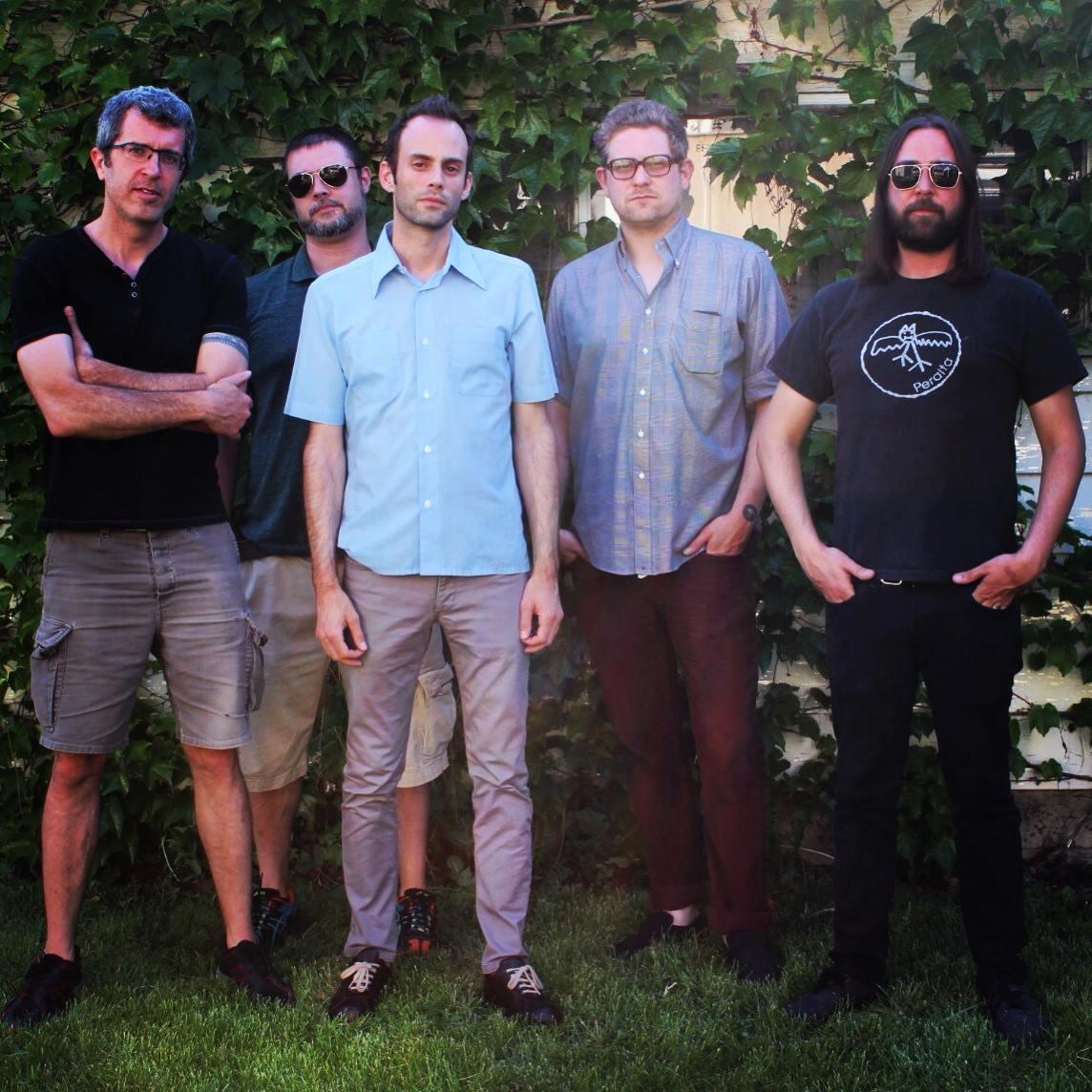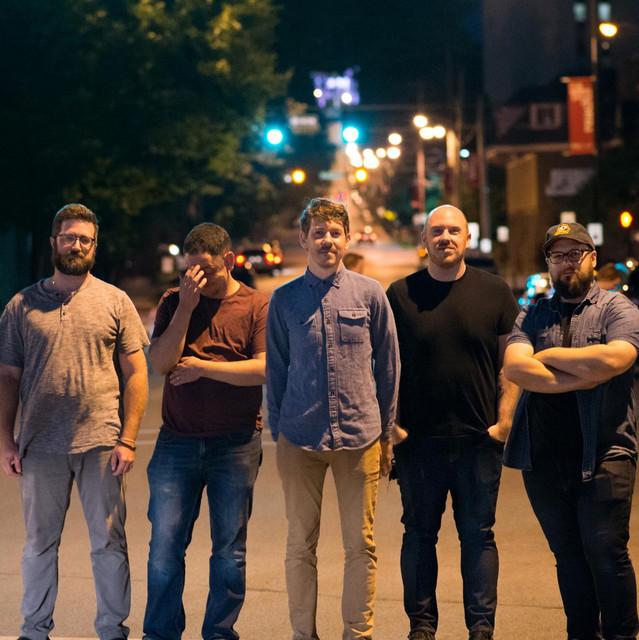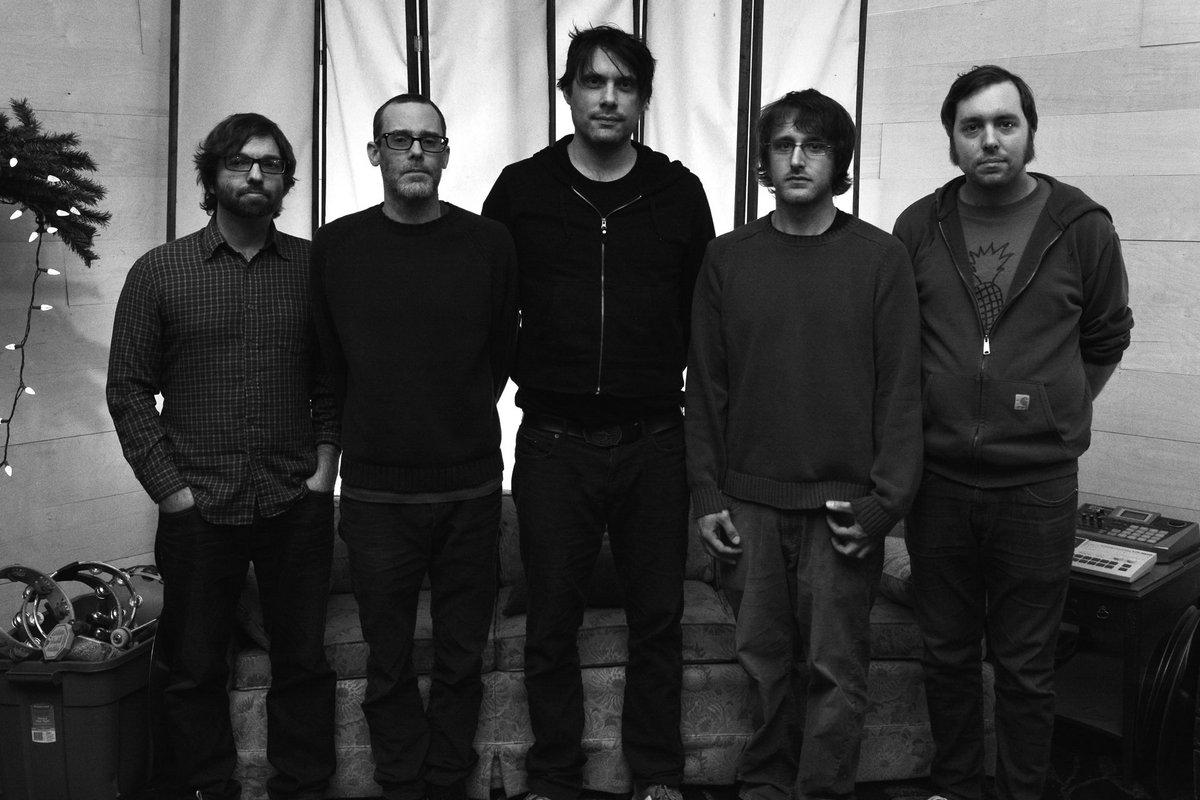
Parlour

Rock
Alternative Rock
Post Rock
 Viberate Rank: 720564
 Viberate Rank: 720564
 Monthly ListenersFollowers
 Subscribers
 Followers
 Followers
 FansTop Spotify Songs
| Track | 7-Day Streams | |
|---|---|---|
1 | 4 |
Top YouTube VideosMonthly ListenersFeatured in Playlists| Playlist | Followers | |
|---|---|---|
1 | I heard it on Marketplace marketplaceapm | 5.01K |
2 |  Post-Jazz Ingenii Records | 1.05K |
3 | NPR's Marketplace admish | 1.04K |
Audience| City | Monthly Listeners | |
|---|---|---|
1 | | 3 |
See full performance history, audience data, playlist activity, rankings, comparisons, and more in Viberate music analytics. Start with a free trial, then continue with a paid plan.
Parlour’s Spotify BioParlour grew out of the Kentucky art/post-rock scene that produced such talents as Slint, Papa M, the Kilowatthours, and My Morning Jacket. The group layers gentle guitar chords, warm synthesizers, and downtempo beats with Krautrock influences for multi-textured grooves that would make perfect company for Tortoise.
Parlour was formed in 1999 in Louisville, Kentucky, by Tim Furnish. In the late '80s and early '90s, Furnish helped build the Kentucky post-rock scene characterized by Slint with his art rock sextet Cerebellum, whose members went on to form Crain, Rodan, Matmos, and Sunspring. Over the years, Furnish seemed to disappear from view, just playing as a guest musician for Ariel M and the for Carnation. But Furnish was hard at work on new, original material. Over a four-year period, he enlisted the help of friends -- including his brother Simon Furnish and Crain members Jon Cook, Todd Cook, Tony Bailey, and Will Hancock -- and then finally merged with the experimental pop group Pad…en to create Parlour.
Parlour's stunning, densely structured, and meditative debut, Octopus Off-Broadway, was released on Temporary Residence, one of the most important labels for post-rock music in the United States, in April of 2002. Only five months later, the group released their second album, Googler, which consisted of freshly mixed material recorded during the late '90s. The album balanced jazzy instrumental rock with more electronic experiments. The band almost completely overhauled its lineup for its next recording, the EP Hives Fives, which appeared in 2005. On this release, Furnish lead a seven-piece lineup with bass clarinet player Steve Good, tenor saxophone player Craig McClurkin, and vibraphonist/synthesizer player Ben Vandermeer, continuing their jazzy, electronic-influenced sound.
Parlour shifted its roster once more for 2010's Simulacrenfield, which featured former Cerebellum guitarist Breck Pipes as well as bassist Nadeem Siddiqi and synthesizer player Mac Finley, in addition to several returning members. The album was notably tighter and slightly more aggressive than previous Parlour outings, but still contained their usual adventurous, jazzy elements. Six years later, Parlour returned with a self-titled album and yet another revamped lineup, with Furnish and Pipes joined by Evan Bailey, Clayton Ray, and Brian Sweeney. The album was more guitar-heavy than their previous few releases, doing away with woodwinds and adding more of a suspenseful, cinematic feel. ~ Charles Spano & Paul Simpson, Rovi
Viberate is a music analytics platform built for A&Rs, artist managers, labels, booking agents, marketers, and artists.
It helps music professionals track artist growth, analyze audience data, monitor playlist activity, compare artists, follow song performance, and identify opportunities across the music market.
Public artist pages provide a free preview of selected artist data. Paid plans provide access to deeper analytics, historical data, charts, comparisons, playlist tools, exports, alerts, reports, and additional professional features.
Yes. Public Viberate artist pages provide selected artist analytics and music data for free.
Viberate also offers a 7-day free trial of the full platform. A credit card is required to start the trial. The trial includes access to the complete product so users can test deeper artist analytics, historical views, playlist insights, comparisons, charts, exports, alerts, and reporting features before choosing a paid plan.
Viberate provides artist analytics across streaming, playlists, social media, video, radio airplay, songs, and audience markets.
Users can analyze Spotify performance, Spotify and Apple Music playlists, YouTube activity, TikTok and Instagram growth, radio spins, song performance, audience locations, demographics, rankings, and overall artist momentum.
Artist profiles also connect to music charts, similar artists, and comparison tools, helping users benchmark performance and evaluate artists in context.
Viberate updates key artist and track data daily.
For followed artists and tracks, selected data is refreshed multiple times per day. This helps teams monitor playlist changes, streaming movement, audience growth, releases, and campaign performance with more current data.
Update frequency can vary depending on the metric and data source.
Yes. Viberate lets users compare up to five artists side by side across streaming, social media, audience, and engagement metrics.
Users can compare fanbase growth, audience demographics, locations, Spotify performance, social metrics, and other artist data over selected time periods.
Artist comparison can be used for A&R scouting, benchmarking, booking decisions, campaign planning, and evaluating artists with similar audiences or market positions.