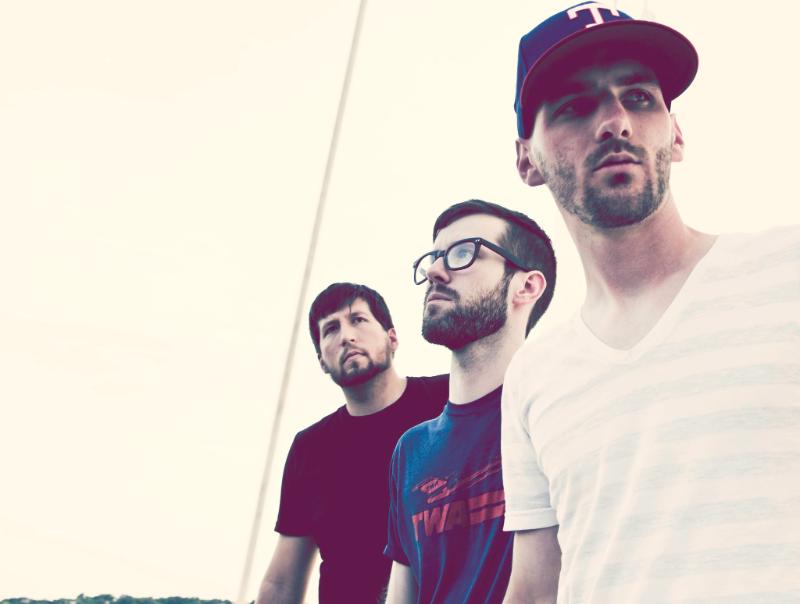
Foxhole

Rock
Alternative Rock
Post Rock
 Viberate Rank: 652095
 Viberate Rank: 652095
 Monthly ListenersFollowers
 Subscribers
 Followers
 Followers
 FansTop Spotify Songs
| Track | 7-Day Streams | |
|---|---|---|
1 | 18 | |
2 | 10 | |
3 | 9 | |
4 | 8 | |
5 | 7 |
Top YouTube Videos| Video | 7-Day Views | |
|---|---|---|
1 | 2 | |
2 | 1 |
Monthly ListenersFeatured in Playlists| Playlist | Followers | |
|---|---|---|
1 | Postrock/Ambient Yara Omara | 1.01K |
Audience| City | Monthly Listeners | |
|---|---|---|
1 | | 4 |
2 | | 3 |
3 | | 3 |
4 | | 3 |
5 | | 3 |
See full performance history, audience data, playlist activity, rankings, comparisons, and more in Viberate music analytics. Start with a free trial, then continue with a paid plan.
Foxhole’s Spotify BioBlistering drums, masterful melodic interplay and a distinct smattering of brass — these are the defining qualities of Foxhole, a mostly instrumental post-rock group founded in Bowling Green, Ky., circa 2000. On their long-awaited third album, “Well Kept Thing”, Foxhole deliver a post-rock epic for the ages, working to cement their place in the pantheon of acts like Mogwai, Shipping News and Tortoise. Across 11 tracks, angular guitars interplay to create harmonic nuance while experimental horns coalesce with electronics into lush melodies, all driven by a rhythm section that builds foundational grooves out of polyrhythmic components. Mixed by Grammy-winner Stephen Roessner and mastered by Bob Weston (Shellac), the album was released digitally, on vinyl and CD in 2018 by Burnt Toast Vinyl.
Foxhole was formed while its members studied at Western Kentucky University. Their first full-length album, 2004’s “We the Wintering Tree,” was met with acclaim from post-rock and experimental… publications as one of the best albums released that year. 2006’s “Push/Pull,” a five-track “short album” inspired by a friend’s death at sea, saw a tighter focus, with more emphasis on composition and a wider sonic range.
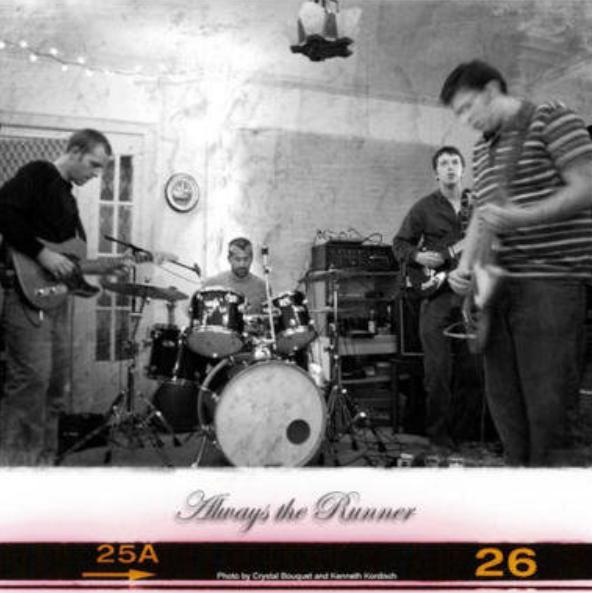
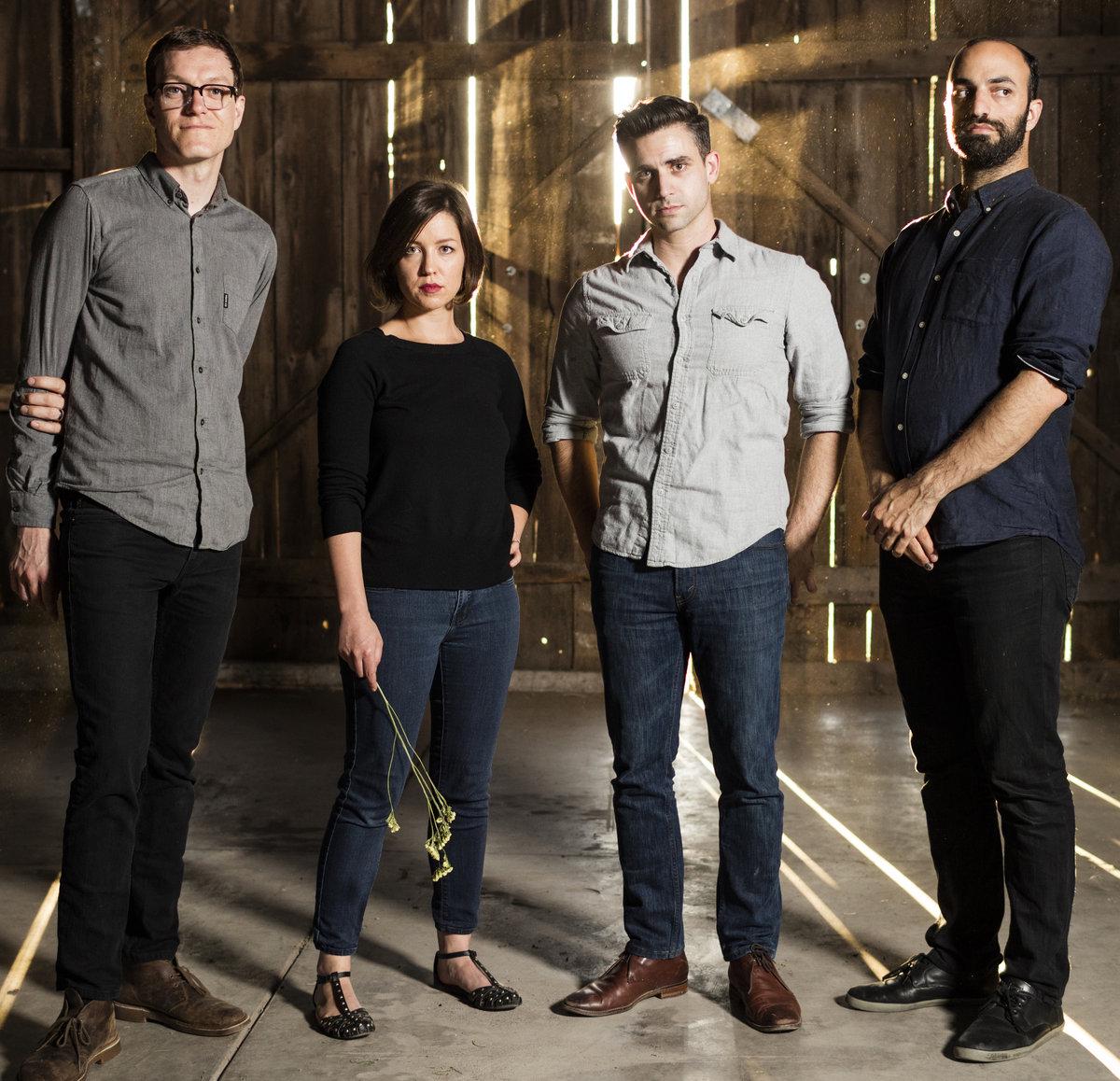
Foxhole is Derek Holt (bass), Greg Leppert (brass, keys, beeps), Adam Moore (guitars), Justin Shepherd (guitars) and Chris Vicari (drums). Past members include drummers Matthew Wilson and Jason Torrence, electronics person Brian Toppenberg, and founding member Nathan McBroom.
Viberate is a music analytics platform built for A&Rs, artist managers, labels, booking agents, marketers, and artists.
It helps music professionals track artist growth, analyze audience data, monitor playlist activity, compare artists, follow song performance, and identify opportunities across the music market.
Public artist pages provide a free preview of selected artist data. Paid plans provide access to deeper analytics, historical data, charts, comparisons, playlist tools, exports, alerts, reports, and additional professional features.
Yes. Public Viberate artist pages provide selected artist analytics and music data for free.
Viberate also offers a 7-day free trial of the full platform. A credit card is required to start the trial. The trial includes access to the complete product so users can test deeper artist analytics, historical views, playlist insights, comparisons, charts, exports, alerts, and reporting features before choosing a paid plan.
Viberate provides artist analytics across streaming, playlists, social media, video, radio airplay, songs, and audience markets.
Users can analyze Spotify performance, Spotify and Apple Music playlists, YouTube activity, TikTok and Instagram growth, radio spins, song performance, audience locations, demographics, rankings, and overall artist momentum.
Artist profiles also connect to music charts, similar artists, and comparison tools, helping users benchmark performance and evaluate artists in context.
Viberate updates key artist and track data daily.
For followed artists and tracks, selected data is refreshed multiple times per day. This helps teams monitor playlist changes, streaming movement, audience growth, releases, and campaign performance with more current data.
Update frequency can vary depending on the metric and data source.
Yes. Viberate lets users compare up to five artists side by side across streaming, social media, audience, and engagement metrics.
Users can compare fanbase growth, audience demographics, locations, Spotify performance, social metrics, and other artist data over selected time periods.
Artist comparison can be used for A&R scouting, benchmarking, booking decisions, campaign planning, and evaluating artists with similar audiences or market positions.