Park

Rock
Indie Rock
Indie Pop
 Viberate Rank: 296254
 Viberate Rank: 296254
 Monthly ListenersFollowers
 Subscribers
 Followers
 Followers
 FansTop Spotify Songs
| Track | 7-Day Streams | |
|---|---|---|
1 | 687 | |
2 | 284 | |
3 | 258 | |
4 | 257 | |
5 | 226 |
Top YouTube VideosMonthly ListenersFeatured in Playlists| Playlist | Followers | |
|---|---|---|
1 |  Alternative Emo Jams Best Noodles In Town | 6.03K |
2 |  ✨BEST POST-HARDCORE RELEASES EVER MADE✨ Ivar | 4.16K |
3 |  2000s Alternative Rock & Indie: Hits & Deep Cuts Carefully Curated. | 3.00K |
4 | songs that made me sad #eldersemos Katrina Cahill | 2.92K |
5 | Acoustic midwest emo Daniel dain | 2.37K |
Audience| City | Monthly Listeners | |
|---|---|---|
1 | | 155 |
2 | | 98 |
3 | | 90 |
4 | | 70 |
5 |  | 70 |
See full performance history, audience data, playlist activity, rankings, comparisons, and more in Viberate music analytics. Start with a free trial, then continue with a paid plan.
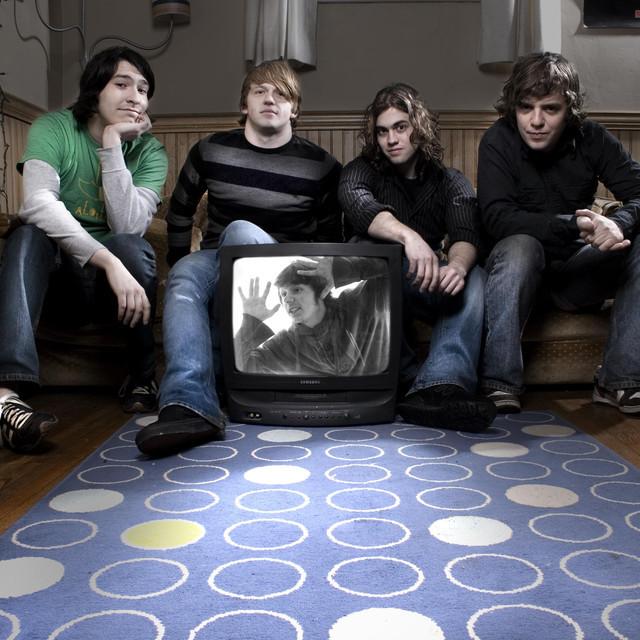
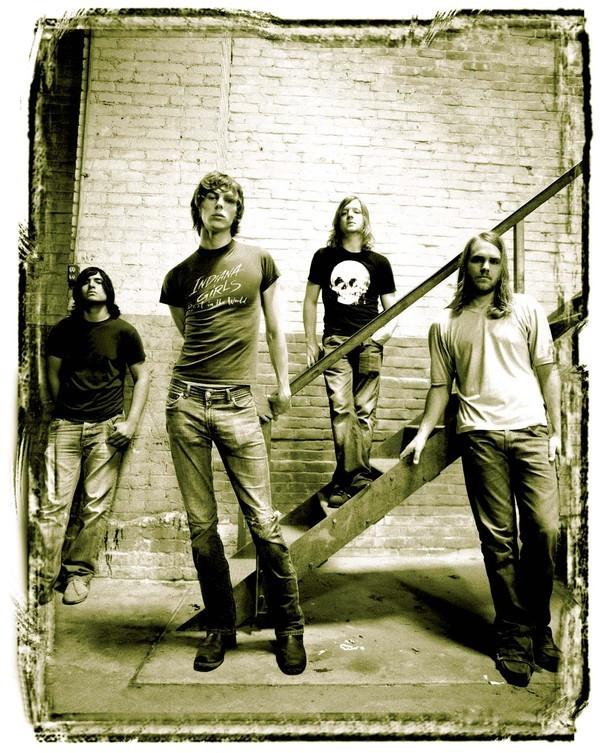
Park’s Spotify BioIndie rock outfit Park can trace their roots to Springfield, IL, sometime in the '90s. However, lineup changes plagued the band, and by early 2006, Park was on their fourth incarnation of members. Boasting thoughtful lyrics over elements of post-hardcore, emo, and pop, the band was at times loosely described as a sonic cross between Alkaline Trio and Midtown. The band recorded the Random and Scattered EP in 1999, although by the record's 2000 release on Middle America Records, Park had broken up and re-formed with a different lineup. Original members vocalist/guitarist and primary songwriter Ladd Mitchell and guitarist Justin Valenti recruited drummer Miles Logan and bassist Tim Costello to complete the band. The EP ultimately brought Park to the attention of California's Lobster Records (the early home of Yellowcard) and they were subsequently signed.
Their label debut, No Signal, was produced by Cameron Webb (Lit, Social Distortion) and issued in October 2001. The band toured… extensively behind the record over the next year, crossing the United States three times over. Returning to Illinois to start writing their next effort, Park struggled to find a new permanent bassist (Alex Haycraft ultimately got the gig) before eventually heading back to California in May 2003 to begin recording again with Webb. It Won't Snow Where You're Going appeared that November to positive critical and fan response, and once again, relentless touring commenced during 2004. Originally dubbed Building a Better Pirate, their highly anticipated third full-length was released in July 2006 with the more open-ended title Building a Better _____. It included a song ("Mississippi Burning") written about the October 2005 murder of Olamide Adeyooye, girlfriend of The Junior Varsity's Andy Wildrick. Valenti exited the group following the album's completion to go to medical school, and ex-Too Beautiful to Die guitarist Aaron Bickle signed on in his place. True to form, the band hit the road hard in support in the months after. However, in early February 2007, Mitchell quit the band for personal reasons, thus ending Park's run; the guys played their last show that May before packing it in. ~ Corey Apar, Rovi
Viberate is a music analytics platform built for A&Rs, artist managers, labels, booking agents, marketers, and artists.
It helps music professionals track artist growth, analyze audience data, monitor playlist activity, compare artists, follow song performance, and identify opportunities across the music market.
Public artist pages provide a free preview of selected artist data. Paid plans provide access to deeper analytics, historical data, charts, comparisons, playlist tools, exports, alerts, reports, and additional professional features.
Yes. Public Viberate artist pages provide selected artist analytics and music data for free.
Viberate also offers a 7-day free trial of the full platform. A credit card is required to start the trial. The trial includes access to the complete product so users can test deeper artist analytics, historical views, playlist insights, comparisons, charts, exports, alerts, and reporting features before choosing a paid plan.
Viberate provides artist analytics across streaming, playlists, social media, video, radio airplay, songs, and audience markets.
Users can analyze Spotify performance, Spotify and Apple Music playlists, YouTube activity, TikTok and Instagram growth, radio spins, song performance, audience locations, demographics, rankings, and overall artist momentum.
Artist profiles also connect to music charts, similar artists, and comparison tools, helping users benchmark performance and evaluate artists in context.
Viberate updates key artist and track data daily.
For followed artists and tracks, selected data is refreshed multiple times per day. This helps teams monitor playlist changes, streaming movement, audience growth, releases, and campaign performance with more current data.
Update frequency can vary depending on the metric and data source.
Yes. Viberate lets users compare up to five artists side by side across streaming, social media, audience, and engagement metrics.
Users can compare fanbase growth, audience demographics, locations, Spotify performance, social metrics, and other artist data over selected time periods.
Artist comparison can be used for A&R scouting, benchmarking, booking decisions, campaign planning, and evaluating artists with similar audiences or market positions.