Paperboy

Hip Hop
Contemporary Hip Hop
Alternative Hip Hop
 Viberate Rank: 99284
 Viberate Rank: 99284
 Monthly ListenersFollowers
 Subscribers
 Followers
 Followers
 FansTop Spotify Songs
| Track | 7-Day Streams | |
|---|---|---|
1 | 111.02K | |
2 | 943 | |
3 | 842 | |
4 | 597 | |
5 | 520 |
Top YouTube VideosMonthly ListenersFeatured in Playlists| Playlist | Followers | |
|---|---|---|
1 |  Throwbacks 1990s - 2010’s Marco Benavidez Jr. | 110.92K |
2 |  Clean Rap, Hip-Hop, R&B Francisco | 40.14K |
3 |  CHOLO PARTY VIBES beastmodefrankie | 22.00K |
4 | Old School Pump Up Jams Bookishfurmama_t96 | 14.51K |
5 | 89 DMZ Compilation Remix Royeca | 13.65K |
Audience| City | Monthly Listeners | |
|---|---|---|
1 | | 7.19K |
2 | | 5.70K |
3 | | 4.48K |
4 | | 3.78K |
5 | | 3.77K |
See full performance history, audience data, playlist activity, rankings, comparisons, and more in Viberate music analytics. Start with a free trial, then continue with a paid plan.
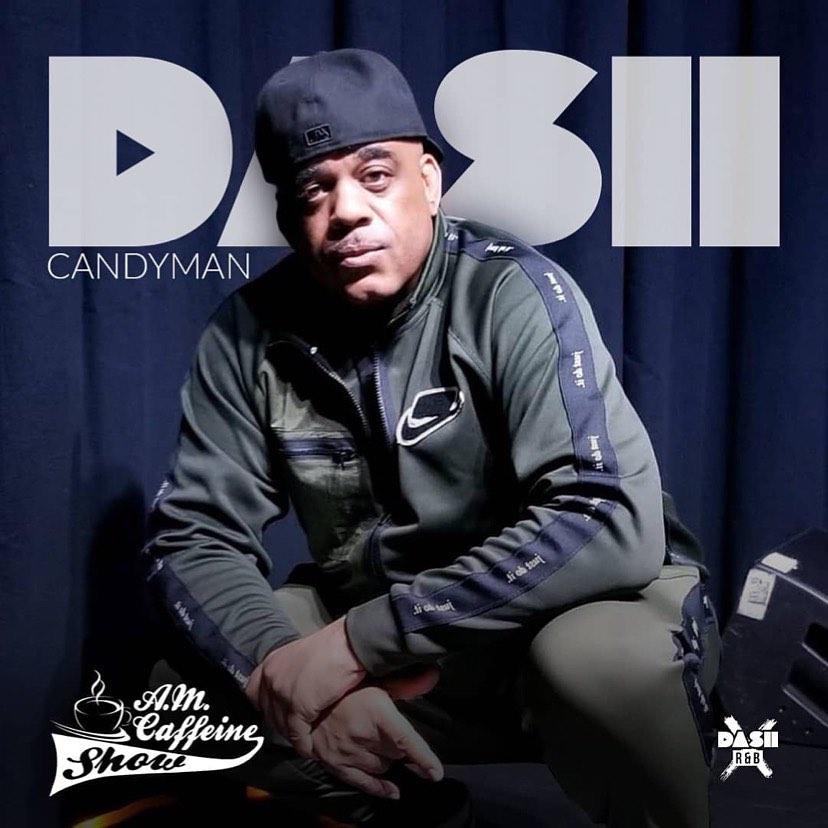
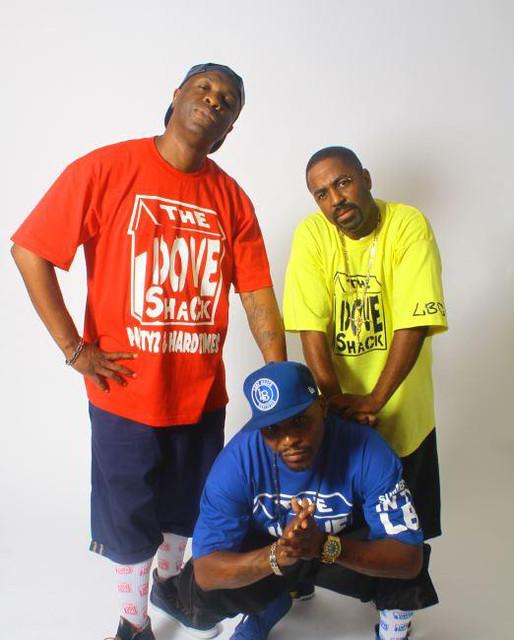
Paperboy’s Spotify BioLos Angeles rapper Paperboy (Mitchell Johnson) scored one of 1993's biggest rap hits with "Ditty," a Zapp-indebted G-funk track, released on Next Plateau, that reached number 10 on the Hot 100 early that year. Its parent album, The Nine Yards, peaked at number 48 on the Billboard 200, and the single was subsequently nominated for a Grammy in the category of Best Rap Solo Performance. ("Let It Ride," by fellow L.A. native Dr. Dre, took the award.) City to City, the MC's second album for Next Plateau, wasn't released until 1996, and from that point, recordings were fewer and farther between. Among his later releases were The Love Never Dies (Thump, 2004), The New News (TTL, 2008), and Fresh Off the Press (self-released, 2015). Throughout his career, Paperboy maintained his allegiance to the G-funk sound. ~ Andy Kellman, Rovi
Viberate is a music analytics platform built for A&Rs, artist managers, labels, booking agents, marketers, and artists.
It helps music professionals track artist growth, analyze audience data, monitor playlist activity, compare artists, follow song performance, and identify opportunities across the music market.
Public artist pages provide a free preview of selected artist data. Paid plans provide access to deeper analytics, historical data, charts, comparisons, playlist tools, exports, alerts, reports, and additional professional features.
Yes. Public Viberate artist pages provide selected artist analytics and music data for free.
Viberate also offers a 7-day free trial of the full platform. A credit card is required to start the trial. The trial includes access to the complete product so users can test deeper artist analytics, historical views, playlist insights, comparisons, charts, exports, alerts, and reporting features before choosing a paid plan.
Viberate provides artist analytics across streaming, playlists, social media, video, radio airplay, songs, and audience markets.
Users can analyze Spotify performance, Spotify and Apple Music playlists, YouTube activity, TikTok and Instagram growth, radio spins, song performance, audience locations, demographics, rankings, and overall artist momentum.
Artist profiles also connect to music charts, similar artists, and comparison tools, helping users benchmark performance and evaluate artists in context.
Viberate updates key artist and track data daily.
For followed artists and tracks, selected data is refreshed multiple times per day. This helps teams monitor playlist changes, streaming movement, audience growth, releases, and campaign performance with more current data.
Update frequency can vary depending on the metric and data source.
Yes. Viberate lets users compare up to five artists side by side across streaming, social media, audience, and engagement metrics.
Users can compare fanbase growth, audience demographics, locations, Spotify performance, social metrics, and other artist data over selected time periods.
Artist comparison can be used for A&R scouting, benchmarking, booking decisions, campaign planning, and evaluating artists with similar audiences or market positions.