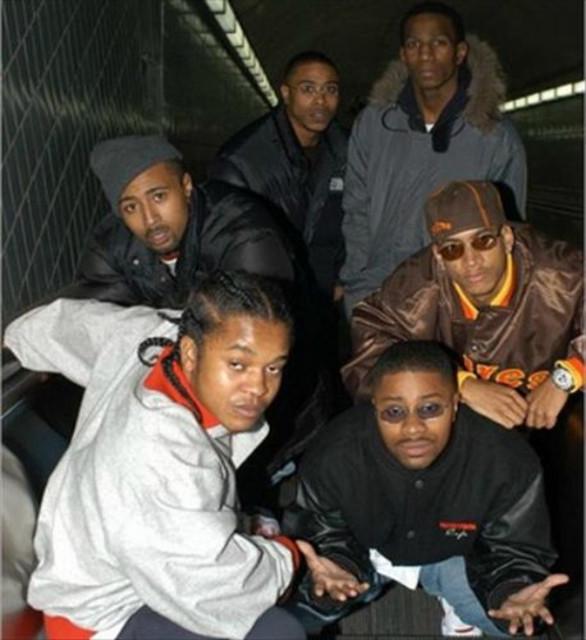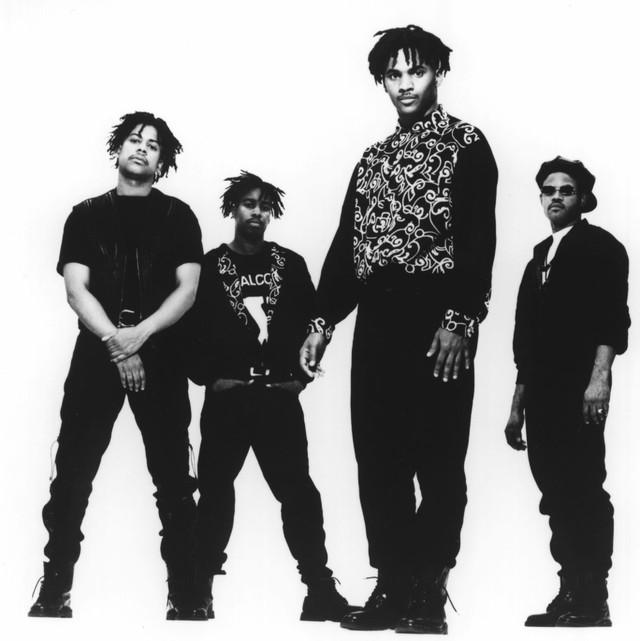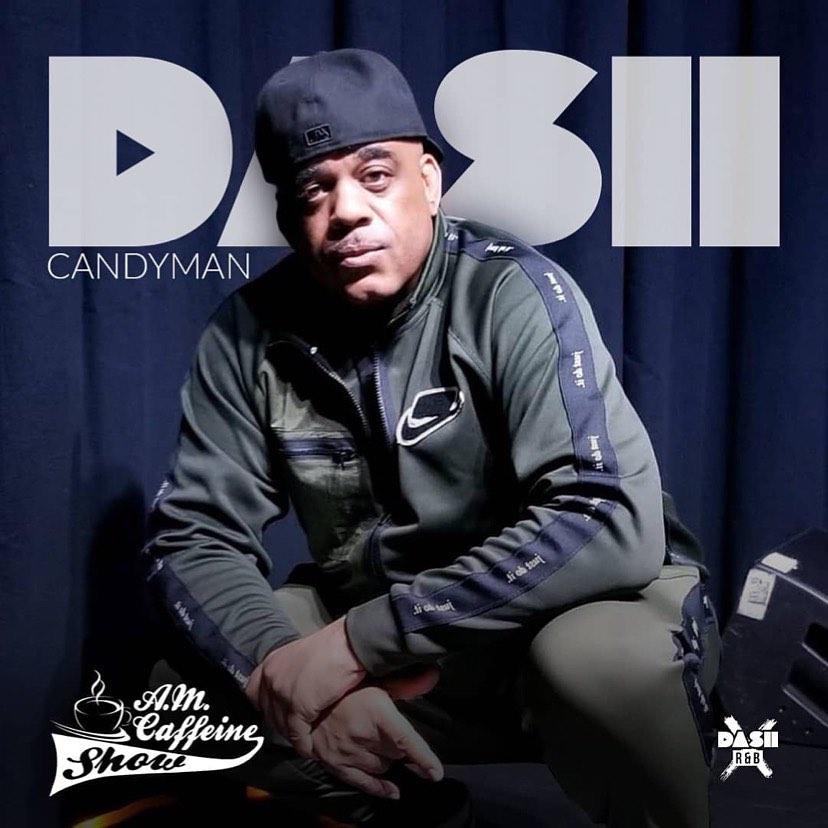
Candyman

Hip Hop
Contemporary Hip Hop
Alternative Hip Hop
 Viberate Rank: 171209
 Viberate Rank: 171209
 Monthly ListenersFollowers
 Subscribers
 Followers
 Followers
 FansTop Spotify Songs
| Track | 7-Day Streams | |
|---|---|---|
1 | 35.67K | |
2 | 11.63K | |
3 | 2.40K | |
4 | 1.05K | |
5 | 1.05K |
Top YouTube Videos| Video | 7-Day Views | |
|---|---|---|
1 | 14 | |
2 | 10 | |
3 | 8 | |
4 | 6 | |
5 | 4 |
Monthly ListenersFeatured in Playlists| Playlist | Followers | |
|---|---|---|
1 |  Old School Hip Hop Filtr Sweden | 779.30K |
2 |  90's Hip Hop Don't Stop Topsify US | 484.05K |
3 | BLACK SUMMER COOKOUT King Retro 1 | 66.97K |
4 | 80's Skating Rink Music sstephenson721 | 51.74K |
5 |  Fave 90s Hip hop csapunch | 32.08K |
Audience| City | Monthly Listeners | |
|---|---|---|
1 | | 2.94K |
2 | | 1.99K |
3 | | 1.55K |
4 | | 1.47K |
5 | | 1.32K |
See full performance history, audience data, playlist activity, rankings, comparisons, and more in Viberate music analytics. Start with a free trial, then continue with a paid plan.
Candyman’s Spotify BioCandyman is a suave, laid-back but tough-rapping MC whose commercial peak was "Knockin' Boots," a playful pop-rap single that entered Billboard's R&B chart in September 1990 and eventually crossed into the Top Ten of the Hot 100. Born John B. Shaffer III (and sometimes identified as Candell Manson), the South Central Los Angeles native started rapping in the early '80s and was an affiliate of Ice-T's Rhyme Syndicate. He's also shown on the cover of N.W.A and the Posse, though his connection to that crew has been considered happenstance. Early releases like "Money Talk$," co-produced by Afrika Islam, and "Hip Hop Addict," were issued on Fila Ali's King Quality label. A demo recording of "Knockin' Boots" attracted a deal with Epic, who released the song's official studio version and the MC's debut album, Ain't No Shame in My Game, in 1990. The Top 40 set was produced by Candyman with longtime creative partner Johnny J. The duo also directed a second album for Epic, Playtime's Over… (1991), but it failed to chart, though the single "Oneighundredskytalkpinelevenotwosevenine" did put a sizeable dent in Billboard's rap chart. Harder-sounding albums I Thought U Knew (1993), a BMG-distributed independent album, and Phukk Whatcha Goin Thru (1995), released on the smaller Ruckus, featured productions from the likes of DJ Quik, Prince Paul, and J-Swift and had limited commercial appeal. Following an extensive break, Candyman released Knockin' Boots 2001: A Sex Odyssey (2001). After that, his recorded appearances were sporadic, including a spot on a remix of Nas' "Where Are They Now" (2007) and a collaboration with producer J Bigga on a Miracles spoof titled "Fuck Machine" (2011). ~ Andy Kellman, Rovi
Viberate is a music analytics platform built for A&Rs, artist managers, labels, booking agents, marketers, and artists.
It helps music professionals track artist growth, analyze audience data, monitor playlist activity, compare artists, follow song performance, and identify opportunities across the music market.
Public artist pages provide a free preview of selected artist data. Paid plans provide access to deeper analytics, historical data, charts, comparisons, playlist tools, exports, alerts, reports, and additional professional features.
Yes. Public Viberate artist pages provide selected artist analytics and music data for free.
Viberate also offers a 7-day free trial of the full platform. A credit card is required to start the trial. The trial includes access to the complete product so users can test deeper artist analytics, historical views, playlist insights, comparisons, charts, exports, alerts, and reporting features before choosing a paid plan.
Viberate provides artist analytics across streaming, playlists, social media, video, radio airplay, songs, and audience markets.
Users can analyze Spotify performance, Spotify and Apple Music playlists, YouTube activity, TikTok and Instagram growth, radio spins, song performance, audience locations, demographics, rankings, and overall artist momentum.
Artist profiles also connect to music charts, similar artists, and comparison tools, helping users benchmark performance and evaluate artists in context.
Viberate updates key artist and track data daily.
For followed artists and tracks, selected data is refreshed multiple times per day. This helps teams monitor playlist changes, streaming movement, audience growth, releases, and campaign performance with more current data.
Update frequency can vary depending on the metric and data source.
Yes. Viberate lets users compare up to five artists side by side across streaming, social media, audience, and engagement metrics.
Users can compare fanbase growth, audience demographics, locations, Spotify performance, social metrics, and other artist data over selected time periods.
Artist comparison can be used for A&R scouting, benchmarking, booking decisions, campaign planning, and evaluating artists with similar audiences or market positions.