Paper Tongues

Rock
Alternative Rock
Indie Rock
 Viberate Rank: 189494
 Viberate Rank: 189494
 Monthly ListenersFollowers
 Subscribers
 Followers
 Followers
 FansTop Spotify Songs
| Track | 7-Day Streams | |
|---|---|---|
1 | 3.24K | |
2 | 1.14K | |
3 | 1.04K | |
4 | 208 | |
5 | 163 |
Top YouTube VideosMonthly ListenersFeatured in Playlists| Playlist | Followers | |
|---|---|---|
1 | 2010s Christian Hits Brandon Lodien | 9.31K |
2 | California Ryan Ballard | 6.37K |
3 |  The Greatest Mixed Playlist Ever Nick Singer | 5.64K |
4 | Chris Lang | 4.57K |
5 | Random Music seba | 2.99K |
Audience| City | Monthly Listeners | |
|---|---|---|
1 | | 212 |
2 | | 210 |
3 | | 204 |
4 | | 201 |
5 | | 173 |
See full performance history, audience data, playlist activity, rankings, comparisons, and more in Viberate music analytics. Start with a free trial, then continue with a paid plan.
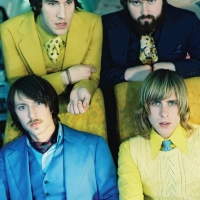
Paper Tongues’ Spotify BioFormed in 2007, Paper Tongues take a multi-genre approach to their music by fusing rock, rap, funk, pop, and soul, drawing upon unexpected influences like Steve Perry and Grandmaster Flash in the process. Originally rooted in Charlotte, NC, the group began when eight musicians assembled to play an ongoing series of improvisational sessions. It was during these sessions that the band -- which featured guitarists Devin Forbes and Joey Signa, keyboardists Clayton Simon and Cody Blackler, bassist Danny Santell, singer Aswan North, and drummer Jordan Hardee -- started fusing their various musical tastes into what would become Paper Tongues. With the lineup established, the band decamped to California and began recording music alongside an eclectic set of producers. In 2009, the band worked with producers like John Fields (Jimmy Eat World), Brian West (Nelly Furtado), Billy Hume (David Banner), and Mark Endert (Maroon 5) while creating their debut EP, Ride to California, which appeared in… late 2009 courtesy of A&M/Octone. A self-titled album followed in 2010. ~ Gregory Heaney, Rovi
Viberate is a music analytics platform built for A&Rs, artist managers, labels, booking agents, marketers, and artists.
It helps music professionals track artist growth, analyze audience data, monitor playlist activity, compare artists, follow song performance, and identify opportunities across the music market.
Public artist pages provide a free preview of selected artist data. Paid plans provide access to deeper analytics, historical data, charts, comparisons, playlist tools, exports, alerts, reports, and additional professional features.
Yes. Public Viberate artist pages provide selected artist analytics and music data for free.
Viberate also offers a 7-day free trial of the full platform. A credit card is required to start the trial. The trial includes access to the complete product so users can test deeper artist analytics, historical views, playlist insights, comparisons, charts, exports, alerts, and reporting features before choosing a paid plan.
Viberate provides artist analytics across streaming, playlists, social media, video, radio airplay, songs, and audience markets.
Users can analyze Spotify performance, Spotify and Apple Music playlists, YouTube activity, TikTok and Instagram growth, radio spins, song performance, audience locations, demographics, rankings, and overall artist momentum.
Artist profiles also connect to music charts, similar artists, and comparison tools, helping users benchmark performance and evaluate artists in context.
Viberate updates key artist and track data daily.
For followed artists and tracks, selected data is refreshed multiple times per day. This helps teams monitor playlist changes, streaming movement, audience growth, releases, and campaign performance with more current data.
Update frequency can vary depending on the metric and data source.
Yes. Viberate lets users compare up to five artists side by side across streaming, social media, audience, and engagement metrics.
Users can compare fanbase growth, audience demographics, locations, Spotify performance, social metrics, and other artist data over selected time periods.
Artist comparison can be used for A&R scouting, benchmarking, booking decisions, campaign planning, and evaluating artists with similar audiences or market positions.