Crash Kings

Rock
Alternative Rock
Hard Rock
 Viberate Rank: 162795
 Viberate Rank: 162795
 Monthly ListenersFollowers
 Subscribers
 Followers
 Followers
 FansTop Spotify Songs
| Track | 7-Day Streams | |
|---|---|---|
1 | 11.07K | |
2 | 3.95K | |
3 | 1.15K | |
4 | 691 | |
5 | 453 |
Top YouTube Videos| Video | 7-Day Views | |
|---|---|---|
1 | 192 | |
2 | 2 |
Monthly ListenersFeatured in Playlists| Playlist | Followers | |
|---|---|---|
1 | Best Alternative Rock From the 90's until Now Jose Manuel Lopez Escribano | 91.65K |
2 | Skiing All Day Gus Horner | 29.71K |
3 |  Music mix (all eras and genres) thedecimator980 | 16.63K |
4 | The Walking Dead Playlist ⚡g.russell⚡ | 14.49K |
5 |  Gritty blues & rock jamminwithdan | 14.16K |
Audience| City | Monthly Listeners | |
|---|---|---|
1 | | 919 |
2 |  | 627 |
3 | | 555 |
4 | | 519 |
5 | | 486 |
See full performance history, audience data, playlist activity, rankings, comparisons, and more in Viberate music analytics. Start with a free trial, then continue with a paid plan.
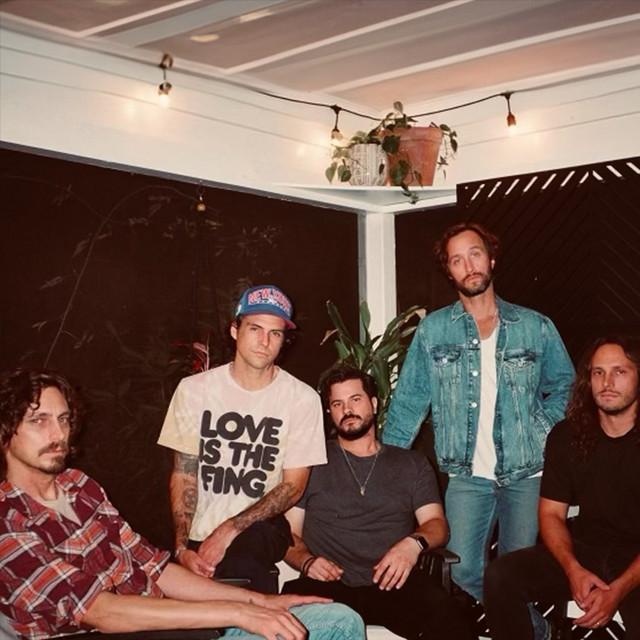
Crash Kings’ Spotify BioFormed in 2006 in Los Angeles, the Crash Kings combine the rock & roll bombast of Muse with the piano-based pop of Ben Fold’s Five. The brainchild of brothers Tony Beliveau (vocal/keyboards) and Mike Beliveau (bass), who had been playing music together all their lives, the pair wanted to see if they could capture the big sound of rock music without actually using guitars. Recruiting drummer Jason Morris, who had played with the brothers Beliveau in previous bands, the band set to work writing. Using big bass fuzz to fill out the sound, a clavinet modified with a whammy bar, and the Beliveau’s natural chemistry, the material came to the quickly. Things took off for the band after Tony had a chance meeting with producer Linda Perry (formerly of 4 Non Blondes). After seeing the band play, she signed them to her label, Custard Records, and set the band up to record an album with Oasis producer Dave Sardy. In 2009, the band released their debut album, Crash Kings, on Custard Records. ~… Gregory Heaney, Rovi
Viberate is a music analytics platform built for A&Rs, artist managers, labels, booking agents, marketers, and artists.
It helps music professionals track artist growth, analyze audience data, monitor playlist activity, compare artists, follow song performance, and identify opportunities across the music market.
Public artist pages provide a free preview of selected artist data. Paid plans provide access to deeper analytics, historical data, charts, comparisons, playlist tools, exports, alerts, reports, and additional professional features.
Yes. Public Viberate artist pages provide selected artist analytics and music data for free.
Viberate also offers a 7-day free trial of the full platform. A credit card is required to start the trial. The trial includes access to the complete product so users can test deeper artist analytics, historical views, playlist insights, comparisons, charts, exports, alerts, and reporting features before choosing a paid plan.
Viberate provides artist analytics across streaming, playlists, social media, video, radio airplay, songs, and audience markets.
Users can analyze Spotify performance, Spotify and Apple Music playlists, YouTube activity, TikTok and Instagram growth, radio spins, song performance, audience locations, demographics, rankings, and overall artist momentum.
Artist profiles also connect to music charts, similar artists, and comparison tools, helping users benchmark performance and evaluate artists in context.
Viberate updates key artist and track data daily.
For followed artists and tracks, selected data is refreshed multiple times per day. This helps teams monitor playlist changes, streaming movement, audience growth, releases, and campaign performance with more current data.
Update frequency can vary depending on the metric and data source.
Yes. Viberate lets users compare up to five artists side by side across streaming, social media, audience, and engagement metrics.
Users can compare fanbase growth, audience demographics, locations, Spotify performance, social metrics, and other artist data over selected time periods.
Artist comparison can be used for A&R scouting, benchmarking, booking decisions, campaign planning, and evaluating artists with similar audiences or market positions.