Oxford Collapse

Rock
Indie Rock
Indie Pop
 Viberate Rank: 501859
 Viberate Rank: 501859
 Monthly ListenersFollowers
 Subscribers
 Followers
 Followers
 FansTop Spotify Songs
| Track | 7-Day Streams | |
|---|---|---|
1 | 278 | |
2 | 257 | |
3 | 43 | |
4 | 33 | |
5 | 31 |
Top YouTube VideosMonthly ListenersFeatured in Playlists| Playlist | Followers | |
|---|---|---|
1 | Top 100 Tracks of 2006 Pitchfork | 4.03K |
2 |  The Complete Collection Frightened Rabbit | 3.82K |
3 |  Indie ‘00s Ryan Schreiber | 1.85K |
4 |  Sub Pop Fall Songs Sub Pop | 1.58K |
5 |  The Best Show on WFMU Jared Duncan | 1.51K |
Audience| City | Monthly Listeners | |
|---|---|---|
1 |  | 56 |
2 | | 36 |
3 | | 31 |
4 | | 30 |
5 | | 28 |
See full performance history, audience data, playlist activity, rankings, comparisons, and more in Viberate music analytics. Start with a free trial, then continue with a paid plan.
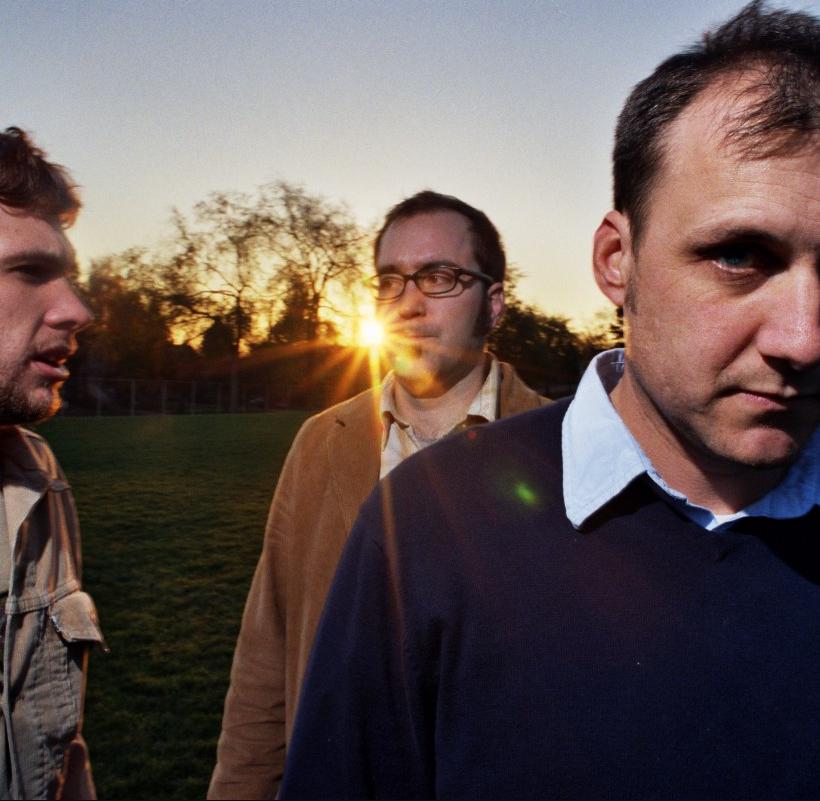
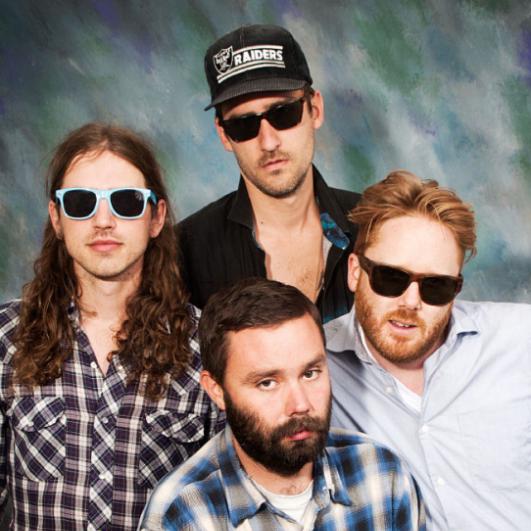
Oxford Collapse’s Spotify BioFinding the link between the dark and angular side of the synth pop scene and the equally off-kilter indie rock of the '90s, Oxford Collapse came out of Brooklyn, NY, with a fiery and unique sound. Performing all over their particular burg, Michael Pace (guitar/vocals), Dan Fetherston (drums), and Yong Sing da Silva (bass) released their self-titled debut EP in 2002. In 2003, da Silva left the band to continue his education, and bassist Mike Henry stepped in. Their first full-length, the eccentric indie rock/post-rock storm of Some Wilderness, appeared on Kanine in spring 2004. Henry's tenure would prove short-lived; bassist Adam Rizer was added to the lineup just in time for the making of the band's sophomore effort, Good Ground. The 2005 release would also mark their final album for the New York indie label Kanine. After a string of tour dates with We Are Scientists, Oxford Collapse announced their new record deal with Sub Pop in March 2006. Additional stateside shows with the… Joggers, Part Chimp, and the Constantines ultimately led up to the recording of Oxford Collapse's third album that spring. Produced by John Agnello (Sonic Youth, Dinosaur Jr., the Hold Steady), Remember the Night Parties arrived in October 2006. After several tours with fellow Brooklynites We Are Scientists, the band returned with Bits in August of 2008. ~ Bradley Torreano, Rovi
Viberate is a music analytics platform built for A&Rs, artist managers, labels, booking agents, marketers, and artists.
It helps music professionals track artist growth, analyze audience data, monitor playlist activity, compare artists, follow song performance, and identify opportunities across the music market.
Public artist pages provide a free preview of selected artist data. Paid plans provide access to deeper analytics, historical data, charts, comparisons, playlist tools, exports, alerts, reports, and additional professional features.
Yes. Public Viberate artist pages provide selected artist analytics and music data for free.
Viberate also offers a 7-day free trial of the full platform. A credit card is required to start the trial. The trial includes access to the complete product so users can test deeper artist analytics, historical views, playlist insights, comparisons, charts, exports, alerts, and reporting features before choosing a paid plan.
Viberate provides artist analytics across streaming, playlists, social media, video, radio airplay, songs, and audience markets.
Users can analyze Spotify performance, Spotify and Apple Music playlists, YouTube activity, TikTok and Instagram growth, radio spins, song performance, audience locations, demographics, rankings, and overall artist momentum.
Artist profiles also connect to music charts, similar artists, and comparison tools, helping users benchmark performance and evaluate artists in context.
Viberate updates key artist and track data daily.
For followed artists and tracks, selected data is refreshed multiple times per day. This helps teams monitor playlist changes, streaming movement, audience growth, releases, and campaign performance with more current data.
Update frequency can vary depending on the metric and data source.
Yes. Viberate lets users compare up to five artists side by side across streaming, social media, audience, and engagement metrics.
Users can compare fanbase growth, audience demographics, locations, Spotify performance, social metrics, and other artist data over selected time periods.
Artist comparison can be used for A&R scouting, benchmarking, booking decisions, campaign planning, and evaluating artists with similar audiences or market positions.