Koufax

Rock
Indie Rock
Indie Pop
 Viberate Rank: 401280
 Viberate Rank: 401280
 Monthly ListenersFollowers
 Subscribers
 Followers
 Followers
 FansTop Spotify Songs
| Track | 7-Day Streams | |
|---|---|---|
1 | 653 | |
2 | 160 | |
3 | 96 | |
4 | 45 | |
5 | 36 |
Top YouTube VideosMonthly ListenersFeatured in Playlists| Playlist | Followers | |
|---|---|---|
1 | PORTLANDIA zoobz | 4.37K |
2 | dopemusicyouneed dopemusicyouneed | 3.52K |
3 | My WORKOUT Mix TheMusicHole.com | 2.35K |
4 |  Clone High Soundtrack S1 pickles | 1.22K |
Audience| City | Monthly Listeners | |
|---|---|---|
1 | | 36 |
2 | | 28 |
3 | | 25 |
4 | | 21 |
5 | | 20 |
See full performance history, audience data, playlist activity, rankings, comparisons, and more in Viberate music analytics. Start with a free trial, then continue with a paid plan.
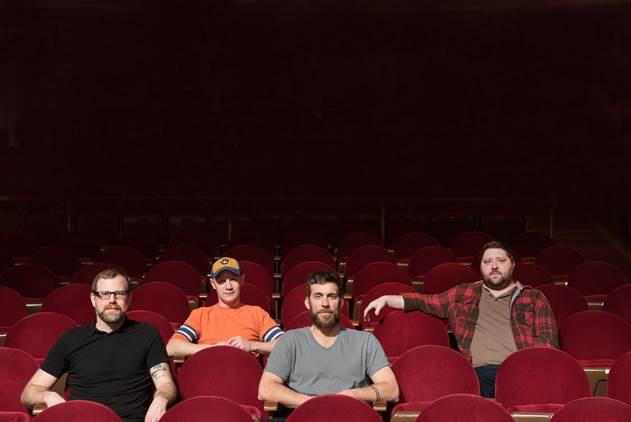
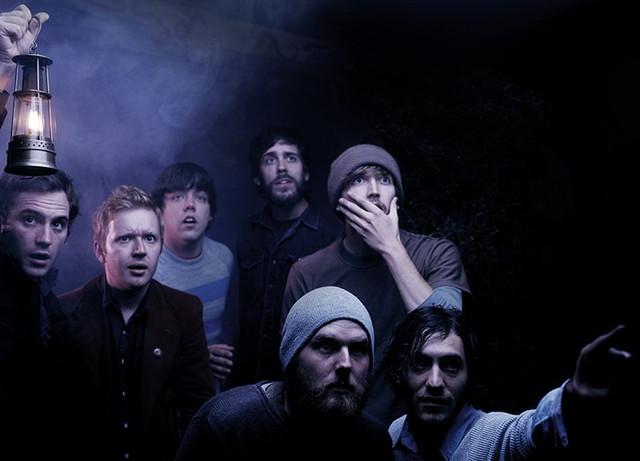
Koufax’s Spotify BioFusing elements of '70s rock, '80s new wave, and '90s emo pop, with some Pets Sounds-era Beach Boys thrown in, the distinct sound of Koufax won over underground stars the Get Up Kids. With the disintegration of several Detroit and Northwestern Ohio bands, the band was formed by singer/guitarist Robert Suchan, who liked the sound of famous Dodger pitcher Sandy Koufax's name. The band relied heavily on the sound of piano and synthesizer, from not just keyboardist Sean Grogan, but drummer Dave Shettler and Andrew Cameron as well. After debuting on Doghouse Records with a self-titled EP in 1999, the Get Up Kids brokered a deal with its own label, Heroes and Villains, via parent Vagrant Records. For Koufax's full-length debut, It Had to Do With Love (2000), and subsequent touring, the band added a second keyboardist, Jared Rosenberg. Two years later, the band was a solid four-piece with Shettler, Force, Suchan and Rosenberg. Together, they issued Koufax's second studio full-length Social… Life in October 2002. With a new label, Doghouse, and two new members on board, Robert Pope on bass guitar and Ryan Pope on drums, the band returned in summer of 2005 with their third long-player, Hard Times Are in Fashion. ~ Ron DePasquale, Rovi
Viberate is a music analytics platform built for A&Rs, artist managers, labels, booking agents, marketers, and artists.
It helps music professionals track artist growth, analyze audience data, monitor playlist activity, compare artists, follow song performance, and identify opportunities across the music market.
Public artist pages provide a free preview of selected artist data. Paid plans provide access to deeper analytics, historical data, charts, comparisons, playlist tools, exports, alerts, reports, and additional professional features.
Yes. Public Viberate artist pages provide selected artist analytics and music data for free.
Viberate also offers a 7-day free trial of the full platform. A credit card is required to start the trial. The trial includes access to the complete product so users can test deeper artist analytics, historical views, playlist insights, comparisons, charts, exports, alerts, and reporting features before choosing a paid plan.
Viberate provides artist analytics across streaming, playlists, social media, video, radio airplay, songs, and audience markets.
Users can analyze Spotify performance, Spotify and Apple Music playlists, YouTube activity, TikTok and Instagram growth, radio spins, song performance, audience locations, demographics, rankings, and overall artist momentum.
Artist profiles also connect to music charts, similar artists, and comparison tools, helping users benchmark performance and evaluate artists in context.
Viberate updates key artist and track data daily.
For followed artists and tracks, selected data is refreshed multiple times per day. This helps teams monitor playlist changes, streaming movement, audience growth, releases, and campaign performance with more current data.
Update frequency can vary depending on the metric and data source.
Yes. Viberate lets users compare up to five artists side by side across streaming, social media, audience, and engagement metrics.
Users can compare fanbase growth, audience demographics, locations, Spotify performance, social metrics, and other artist data over selected time periods.
Artist comparison can be used for A&R scouting, benchmarking, booking decisions, campaign planning, and evaluating artists with similar audiences or market positions.