Owls

Rock
Alternative Rock
Math Rock
 Viberate Rank: 251449
 Viberate Rank: 251449
 Monthly ListenersFollowers
 Subscribers
 Followers
 Followers
 FansTop Spotify Songs
| Track | 7-Day Streams | |
|---|---|---|
1 | 1.17K | |
2 | 742 | |
3 | 462 | |
4 | 422 | |
5 | 401 |
Top YouTube VideosMonthly ListenersFeatured in Playlists| Playlist | Followers | |
|---|---|---|
1 | MATH ROCK CLASSICS Georgia | 37.23K |
2 |  Math rock/midwest emo Jusu | 19.61K |
3 | Midwest emo/casual emo Preston Harris | 9.20K |
4 | 100 Best Emo Songs by Vulture Ray Rahman | 9.06K |
5 | produced by Steve Albini Krzysztof Kwiatkowski | 7.46K |
Audience| City | Monthly Listeners | |
|---|---|---|
1 | | 130 |
2 | | 93 |
3 | | 73 |
4 | | 69 |
5 | | 66 |
See full performance history, audience data, playlist activity, rankings, comparisons, and more in Viberate music analytics. Start with a free trial, then continue with a paid plan.
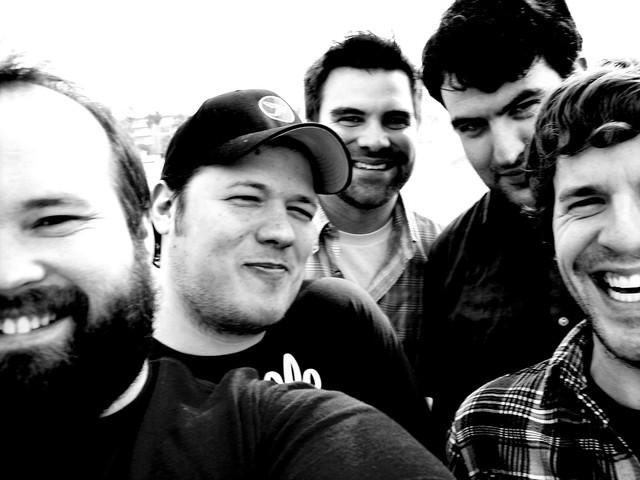
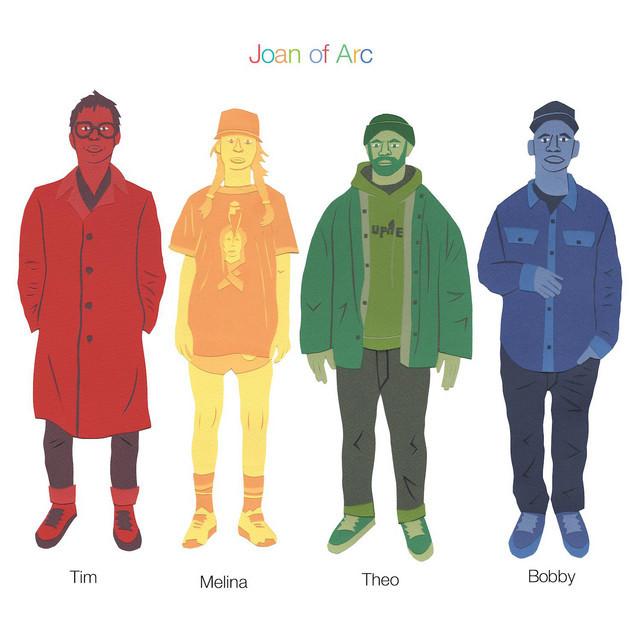
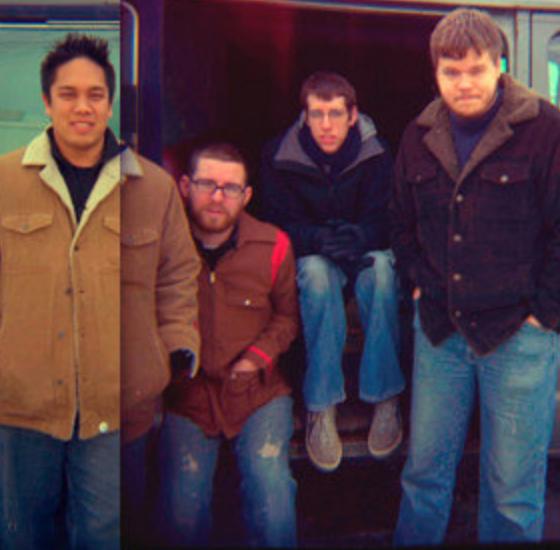
Owls’ Spotify BioOwls began in 2001, splintering from a long lineage of high-concept rock bands all centralized around the efforts of a group of friends who'd been playing together since their early high-school days. This crew of musicians started out playing spirited and screamy melodic emo as Cap'n Jazz, living in relative obscurity during their short lifespan, but going on to inspire new legions of fans years after their breakup when their catalog of short run 7"s and a single LP was reissued in the late '90s. By that point, the members of Cap'n Jazz had cycled through several different projects, going on to form the avant electronic indie of Joan of Arc and the melodic emo-pop of the Promise Ring, American Football, Ghosts and Vodka, and others. Owls came about after Joan of Arc had what would be a short-lived breakup, reuniting Tim Kinsella, Mike Kinsella, Victor Villarreal, and Sam Zurick for the first time since they'd played together in Cap'n Jazz. Owls left behind the emphatic hardcore/emo… leanings of the players' teenage days, instead opting for more obtuse song structures, jittery guitar lines, and increasingly inward-looking lyrical wordplay from vocalist Tim Kinsella. The band recorded a self-titled debut album with legendary indie producer Steve Albini, which saw release on Jade Tree Records in 2001. Some touring followed, but Owls quickly imploded. Drummer Mike Kinsella first left the band to focus on his solo project Owen, being replaced by Chicago fixture Ryan Rapsys, and the band called it quits shortly afterward in 2002. Joan of Arc regrouped, Owen thrived, and various other incarnations spun out of the ex-Cap'n Jazz camp. In 2010 the Kinsella crew surprised the world by announcing an unexpected Cap'n Jazz reunion, playing a run of shows with the original lineup, which was identical to the original lineup of Owls with the exception of additional guitarist Davey von Bohlen. This reunion gave way to an Owls reunion, and in 2012 the band began a long stint of writing and recording, ending up in the studio to work on Two, the band's second album and first new recording in 13 years, released on Polyvinyl Records in early 2014. ~ Fred Thomas, Rovi
Viberate is a music analytics platform built for A&Rs, artist managers, labels, booking agents, marketers, and artists.
It helps music professionals track artist growth, analyze audience data, monitor playlist activity, compare artists, follow song performance, and identify opportunities across the music market.
Public artist pages provide a free preview of selected artist data. Paid plans provide access to deeper analytics, historical data, charts, comparisons, playlist tools, exports, alerts, reports, and additional professional features.
Yes. Public Viberate artist pages provide selected artist analytics and music data for free.
Viberate also offers a 7-day free trial of the full platform. A credit card is required to start the trial. The trial includes access to the complete product so users can test deeper artist analytics, historical views, playlist insights, comparisons, charts, exports, alerts, and reporting features before choosing a paid plan.
Viberate provides artist analytics across streaming, playlists, social media, video, radio airplay, songs, and audience markets.
Users can analyze Spotify performance, Spotify and Apple Music playlists, YouTube activity, TikTok and Instagram growth, radio spins, song performance, audience locations, demographics, rankings, and overall artist momentum.
Artist profiles also connect to music charts, similar artists, and comparison tools, helping users benchmark performance and evaluate artists in context.
Viberate updates key artist and track data daily.
For followed artists and tracks, selected data is refreshed multiple times per day. This helps teams monitor playlist changes, streaming movement, audience growth, releases, and campaign performance with more current data.
Update frequency can vary depending on the metric and data source.
Yes. Viberate lets users compare up to five artists side by side across streaming, social media, audience, and engagement metrics.
Users can compare fanbase growth, audience demographics, locations, Spotify performance, social metrics, and other artist data over selected time periods.
Artist comparison can be used for A&R scouting, benchmarking, booking decisions, campaign planning, and evaluating artists with similar audiences or market positions.