Colossal

Rock
Indie Rock
Math Rock
Progressive Rock
 Viberate Rank: 328590
 Viberate Rank: 328590
 Monthly ListenersFollowers
 Subscribers
 Followers
 Followers
 FansTop Spotify Songs
| Track | 7-Day Streams | |
|---|---|---|
1 | 729 | |
2 | 729 | |
3 | 360 | |
4 | 360 | |
5 | 220 |
Top YouTube VideosMonthly ListenersFeatured in Playlists| Playlist | Followers | |
|---|---|---|
1 |  Math rock/midwest emo Jusu | 19.61K |
2 |  Rancid Eddie - DRY Matthew Meyer | 17.26K |
3 |  Math rock - Progressive - Melodic - Jazz - Experimental and Stuff Daniel Vargas | 10.91K |
4 | Midwest emo/casual emo Preston Harris | 9.20K |
5 |  Midwest Emo/Math Rock Andrew | 5.60K |
Audience| City | Monthly Listeners | |
|---|---|---|
1 | | 68 |
2 | | 49 |
3 | | 40 |
4 | | 33 |
5 | | 28 |
See full performance history, audience data, playlist activity, rankings, comparisons, and more in Viberate music analytics. Start with a free trial, then continue with a paid plan.
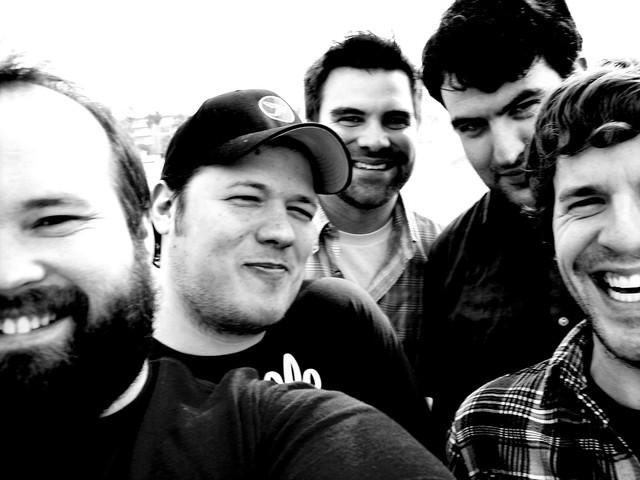
Colossal’s Spotify BioBlending rock, post-punk, jazz, and pop, indie rock outfit Colossal formed in late 2001. Intricate without being overbearing or difficult, the Elgin, IL-based quintet began playing shows in the spring of 2002 before Asian Man released their debut EP, Brave the Elements, in January 2003. Touring followed before serious writing began for the band's first full-length. Original bassist Jeff Feucht left the group in early 2004 to concentrate on teaching; Eli Caterer (Smoking Popes) joined on to finish the album alongside drummer Rob Kellenberger (Slapstick, Tuesday), singer/guitarist Patrick Ford, and trumpeter/guitarist/singer Jason Flaks. Welcome the Problems was issued in September 2004 with Neil Hennessy (the Lawrence Arms) officially joining the group after having sat in as a second drummer since the band's first tour. Chris Perrin (Seedy Sea Controversy, the Heavens) also replaced Caterer prior to embarking on a brief East Coast tour. Ford, Kellenberger, and Flaks next helped Asian… Man Records owner Mike Park record his second solo album, North Hangook Falling, in early 2005. Colossal got back on the road during the year, touring with the Alkaline Trio and Mike Park; Flaks departed that fall and Eli Caterer returned in his place, this time on guitar. The Smoking Popes then reunited in December 2005, taking the attention of Caterer and Kellenberger away from Colossal; Hennessy and the Lawrence Arms released a new record and toured at the beginning of 2006. Consequently, Colossal went on hiatus. ~ Corey Apar, Rovi
Viberate is a music analytics platform built for A&Rs, artist managers, labels, booking agents, marketers, and artists.
It helps music professionals track artist growth, analyze audience data, monitor playlist activity, compare artists, follow song performance, and identify opportunities across the music market.
Public artist pages provide a free preview of selected artist data. Paid plans provide access to deeper analytics, historical data, charts, comparisons, playlist tools, exports, alerts, reports, and additional professional features.
Yes. Public Viberate artist pages provide selected artist analytics and music data for free.
Viberate also offers a 7-day free trial of the full platform. A credit card is required to start the trial. The trial includes access to the complete product so users can test deeper artist analytics, historical views, playlist insights, comparisons, charts, exports, alerts, and reporting features before choosing a paid plan.
Viberate provides artist analytics across streaming, playlists, social media, video, radio airplay, songs, and audience markets.
Users can analyze Spotify performance, Spotify and Apple Music playlists, YouTube activity, TikTok and Instagram growth, radio spins, song performance, audience locations, demographics, rankings, and overall artist momentum.
Artist profiles also connect to music charts, similar artists, and comparison tools, helping users benchmark performance and evaluate artists in context.
Viberate updates key artist and track data daily.
For followed artists and tracks, selected data is refreshed multiple times per day. This helps teams monitor playlist changes, streaming movement, audience growth, releases, and campaign performance with more current data.
Update frequency can vary depending on the metric and data source.
Yes. Viberate lets users compare up to five artists side by side across streaming, social media, audience, and engagement metrics.
Users can compare fanbase growth, audience demographics, locations, Spotify performance, social metrics, and other artist data over selected time periods.
Artist comparison can be used for A&R scouting, benchmarking, booking decisions, campaign planning, and evaluating artists with similar audiences or market positions.