Opus Kink

Punk
Punk Rock
Avant-garde Jazz
 Viberate Rank: 63954
 Viberate Rank: 63954
 Monthly ListenersFollowers
 Subscribers
 Followers
 Followers
 FansTop Spotify Songs
| Track | 7-Day Streams | |
|---|---|---|
1 | 27.59K | |
2 | 24.31K | |
3 | 21.05K | |
4 | 14.80K | |
5 | 13.55K |
Top YouTube Videos| Video | 7-Day Views | |
|---|---|---|
1 | 4.85K | |
2 | 1.81K | |
3 | 954 | |
4 | 925 | |
5 | 651 |
Monthly ListenersFeatured in Playlists| Playlist | Followers | |
|---|---|---|
1 |  All New Rock Spotify | 959.91K |
2 |  New Noise Spotify | 475.45K |
3 |  melomania Spotify | 402.57K |
4 |  Noisy Spotify | 295.07K |
5 |  Fresh Finds Rock Spotify | 179.29K |
Audience| City | Monthly Listeners | |
|---|---|---|
1 | | 5.60K |
2 | | 2.44K |
3 |  | 1.98K |
4 |  | 1.85K |
5 |  | 1.62K |
See full performance history, audience data, playlist activity, rankings, comparisons, and more in Viberate music analytics. Start with a free trial, then continue with a paid plan.
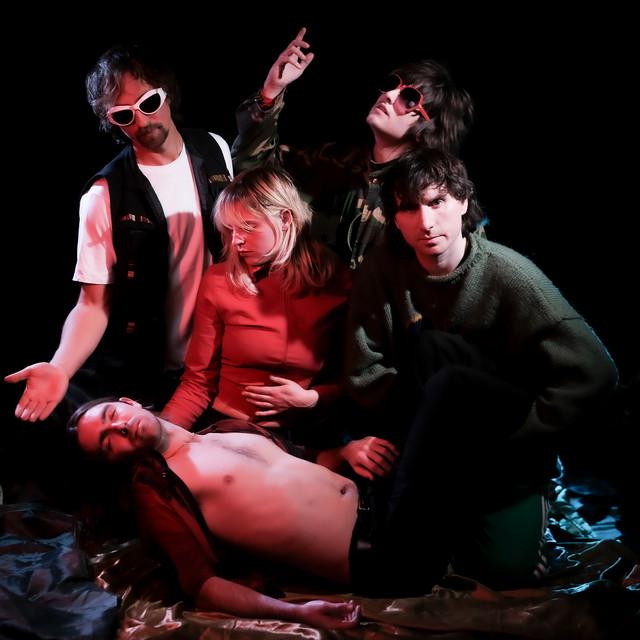
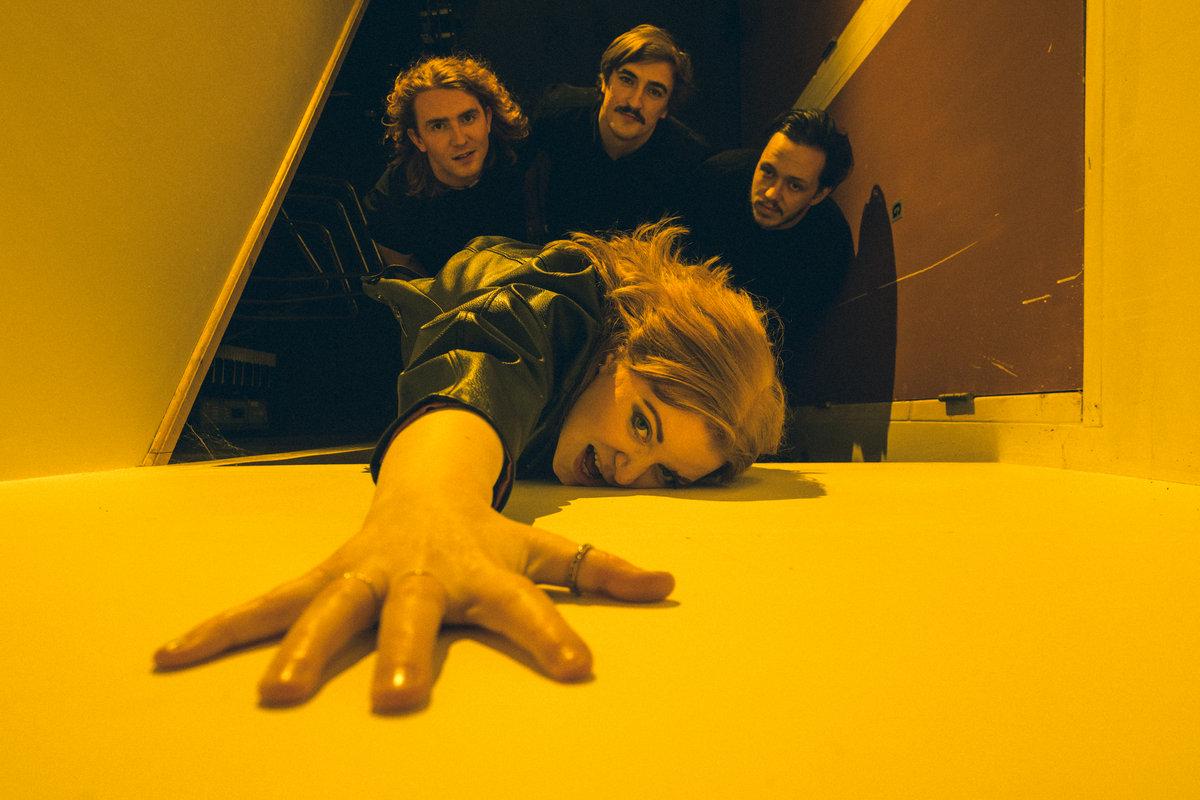
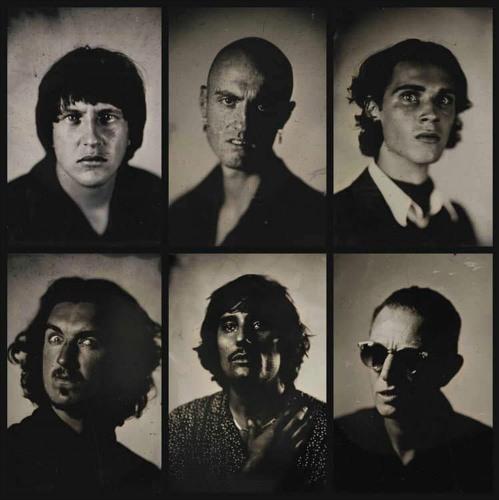
Opus Kink’s Spotify BioWith their ever-mutating brand of jazz-and-country-laced punk, Opus Kink strike a singular figure in a saturated landscape. Making their name with incendiary, cult-like live shows, the band - formed in Brighton (UK) in 2017 - look far beyond the blueprint of 80s post-punk in developing their elusive sound, careening from tarantella (St Paul of The Tarantulas) to pounding death-disco (This Train) to music hall (Dust) to menacing, sluggish dirge (Malarkey). Underscored by their signature formidable horn section and ragged, sardonic delivery, the band bear passing resemblance to no-wave acts like The Pop Group, Birthday Party and Lounge Lizards, but it’s the weaving of older, more traditional influences - choral, folk, country, Latin, Weimar cabaret, cruise-ship-crooner - into the fabric of their music that sets them apart. Through their songs concerning violence, evil, shame, troubled sexual politics, anxiety and emptiness, all served with a wry absurdist bent, Opus Kink craft an… alluring nether-world for their increasingly voracious audience to plunge into. Whether it’s performed in Serbian abattoirs, rousing festival crowds into shamanic frenzy or selling out London’s iconic Village Underground, their grotesque pop show leaves a scorch mark.
Viberate is a music analytics platform built for A&Rs, artist managers, labels, booking agents, marketers, and artists.
It helps music professionals track artist growth, analyze audience data, monitor playlist activity, compare artists, follow song performance, and identify opportunities across the music market.
Public artist pages provide a free preview of selected artist data. Paid plans provide access to deeper analytics, historical data, charts, comparisons, playlist tools, exports, alerts, reports, and additional professional features.
Yes. Public Viberate artist pages provide selected artist analytics and music data for free.
Viberate also offers a 7-day free trial of the full platform. A credit card is required to start the trial. The trial includes access to the complete product so users can test deeper artist analytics, historical views, playlist insights, comparisons, charts, exports, alerts, and reporting features before choosing a paid plan.
Viberate provides artist analytics across streaming, playlists, social media, video, radio airplay, songs, and audience markets.
Users can analyze Spotify performance, Spotify and Apple Music playlists, YouTube activity, TikTok and Instagram growth, radio spins, song performance, audience locations, demographics, rankings, and overall artist momentum.
Artist profiles also connect to music charts, similar artists, and comparison tools, helping users benchmark performance and evaluate artists in context.
Viberate updates key artist and track data daily.
For followed artists and tracks, selected data is refreshed multiple times per day. This helps teams monitor playlist changes, streaming movement, audience growth, releases, and campaign performance with more current data.
Update frequency can vary depending on the metric and data source.
Yes. Viberate lets users compare up to five artists side by side across streaming, social media, audience, and engagement metrics.
Users can compare fanbase growth, audience demographics, locations, Spotify performance, social metrics, and other artist data over selected time periods.
Artist comparison can be used for A&R scouting, benchmarking, booking decisions, campaign planning, and evaluating artists with similar audiences or market positions.