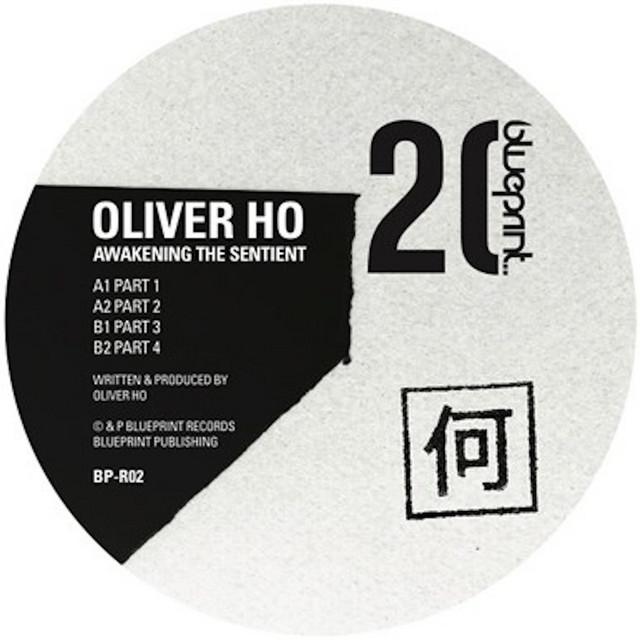
Oliver Ho

Electronic
Techno
Hard Techno
Tech House
 Viberate Rank: 278313
 Viberate Rank: 278313
 Monthly ListenersFollowers
 Subscribers
 Followers
 Followers
 FansTop Spotify Songs
| Track | 7-Day Streams | |
|---|---|---|
1 | 269 | |
2 | 253 | |
3 | 241 | |
4 | 149 | |
5 | 120 |
Top YouTube VideosMonthly ListenersFeatured in Playlists| Playlist | Followers | |
|---|---|---|
1 |  Marcel Dettmann's track IDs Spotify | 23.96K |
2 |  GROOVY TECHNO YouriVK | 22.99K |
3 |  AWAKENINGS & ADE CHVRLY | 7.49K |
4 |  Heard in Berghain Lady Jack | 5.31K |
5 |  Giggly Squad Hannah Berner | 4.31K |
Audience| City | Monthly Listeners | |
|---|---|---|
1 |  | 179 |
2 |  | 49 |
3 |  | 46 |
4 | | 30 |
5 | | 26 |
See full performance history, audience data, playlist activity, rankings, comparisons, and more in Viberate music analytics. Start with a free trial, then continue with a paid plan.
Oliver Ho’s Spotify BioAlong with other DJ/producers like James Ruskin and Surgeon, Oliver Ho is one of the most talented artists to have emerged during the mid-'90s in England's hard techno scene. In addition to international DJ appearances, Ho released a wealth of 12"s throughout the late '90s and into the next decade on labels like Blueprint, Surface, and his own label, Meta. His style of techno is similar to that of his other U.K. hard techno peers like Ruskin, Surgeon, Regis, and Ben Sims -- fast, minimal, percussive, tribal, and somewhere between Drumcode-style Swedish techno, Tresor-style Berlin techno, and Axis-style Detroit techno. Even though Ho never garnered much acclaim or fame in his native country, he became a superstar in techno-friendly countries like Germany and Japan, where he often DJed. Occasionally, Ho would release full-length albums like Listening to the Voice Inside, but for the most part, he focused on the 12" medium -- dancefloor-orientated tracks rather than listener-friendly… songs.
Growing up in the West London area, Ho found himself surrounded with music at an early age. Some of his early interests included early industrial and electronic music by artists such as Brian Eno, Coil, and Psychic TV. During his adolescent years, he learned to play the guitar, simultaneously developing an appreciation for jazz. After being exposed to early-'90s Warp recordings by artists such as Aphex Twin, Ho began creating electronic music. With a Roland sampler and a sequencer, he produced his first tracks in 1995 and these tracks subsequently came to the attention of James Ruskin, a fellow hard techno producer/DJ also from the London area. Ruskin happened to be starting his own label, Blueprint, and asked Ho to contribute some of his tracks, the resulting 12," The Gathering, was the second release in the Blueprint catalog, with many more Ho 12"s to follow, including some full-length releases like Sentience.
By 1997, Ho had already established himself as one of the global techno scene's more accomplished producers as other big-name labels like Drumcode (Sweden) and Surface (France) also began releasing his records. It was then that Ho decided to start his own label, Meta. One release followed another through the late '90s as Ho churned out a prolific output, capitalizing on his rising popularity. In fact, his voluminous Meta catalog had proven so successful in such a brief period of time that Ho decided to start another label in 1999, Light and Dark. Then, in 2000, Ho released his first full-length CD on Meta, Listening to the Voice Inside, which helped him cross over to the non-DJ crowd. ~ Jason Birchmeier, Rovi
Viberate is a music analytics platform built for A&Rs, artist managers, labels, booking agents, marketers, and artists.
It helps music professionals track artist growth, analyze audience data, monitor playlist activity, compare artists, follow song performance, and identify opportunities across the music market.
Public artist pages provide a free preview of selected artist data. Paid plans provide access to deeper analytics, historical data, charts, comparisons, playlist tools, exports, alerts, reports, and additional professional features.
Yes. Public Viberate artist pages provide selected artist analytics and music data for free.
Viberate also offers a 7-day free trial of the full platform. A credit card is required to start the trial. The trial includes access to the complete product so users can test deeper artist analytics, historical views, playlist insights, comparisons, charts, exports, alerts, and reporting features before choosing a paid plan.
Viberate provides artist analytics across streaming, playlists, social media, video, radio airplay, songs, and audience markets.
Users can analyze Spotify performance, Spotify and Apple Music playlists, YouTube activity, TikTok and Instagram growth, radio spins, song performance, audience locations, demographics, rankings, and overall artist momentum.
Artist profiles also connect to music charts, similar artists, and comparison tools, helping users benchmark performance and evaluate artists in context.
Viberate updates key artist and track data daily.
For followed artists and tracks, selected data is refreshed multiple times per day. This helps teams monitor playlist changes, streaming movement, audience growth, releases, and campaign performance with more current data.
Update frequency can vary depending on the metric and data source.
Yes. Viberate lets users compare up to five artists side by side across streaming, social media, audience, and engagement metrics.
Users can compare fanbase growth, audience demographics, locations, Spotify performance, social metrics, and other artist data over selected time periods.
Artist comparison can be used for A&R scouting, benchmarking, booking decisions, campaign planning, and evaluating artists with similar audiences or market positions.