Steve Stoll

Electronic
Techno
Dub Techno
 Viberate Rank: 386421
 Viberate Rank: 386421
 Monthly ListenersFollowers
 Subscribers
 Followers
 Followers
 FansTop Spotify Songs
| Track | 7-Day Streams | |
|---|---|---|
1 | 1.37K | |
2 | 292 | |
3 | 167 | |
4 | 166 | |
5 | 160 |
Top YouTube VideosMonthly ListenersFeatured in Playlists| Playlist | Followers | |
|---|---|---|
1 | Berghain Music Roman Wäger | 39.72K |
2 |  Dark Underground Techno Sanford | 29.44K |
3 |  Marcel Dettmann's track IDs Spotify | 23.95K |
4 |  Dub Techno Jimmy Ghaderi | 22.36K |
5 |  P3 med Samir Yosufi P3 Sveriges Radio | 13.95K |
Audience| City | Monthly Listeners | |
|---|---|---|
1 |  | 213 |
2 | | 110 |
3 |  | 98 |
4 |  | 96 |
5 |  | 95 |
See full performance history, audience data, playlist activity, rankings, comparisons, and more in Viberate music analytics. Start with a free trial, then continue with a paid plan.
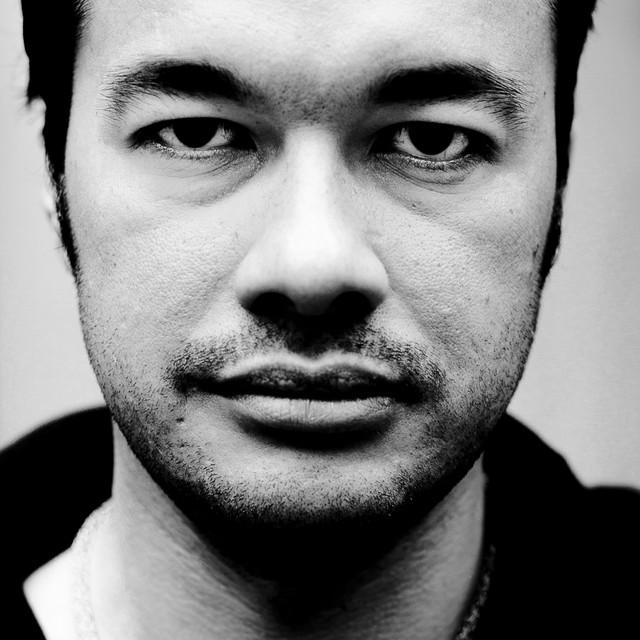
Steve Stoll’s Spotify BioProducing pure, minimalist analogue-minded techno in the vein of early Plastikman and Joey Beltram (even though his career began as a drummer with the industrial label Wax Trax), Steve Stoll has recorded for Nova Mute, Probe, DJax, Delirium, Synewave and his own Proper NYC label. Raised in Brooklyn, Stoll listened to hip-hop and disco as a child, then joined the Army straight out of high-school. He served for five years, including a period in the Gulf War when he plotted bomb runs by satellite. After being released, Stoll shifted around: he played drums for the industrial group Sister Machine Gun, studied jazz and began recording straight-edged techno for Big Apple labels like 212 Productions and Damon Wild's Synewave.
Stoll debuted for Sm:)e Recordings with the 1995 album Pacemaker. The following year brought another album, Zero Divide (recorded as the Operator) and an EP for Nova Mute (as the Blunted Boy Wonder). After he reverted back to Steve Stoll, Damn Analog Technology followed… in 1997 and The Blunted Boy Wonder one year later. ~ John Bush, Rovi
Viberate is a music analytics platform built for A&Rs, artist managers, labels, booking agents, marketers, and artists.
It helps music professionals track artist growth, analyze audience data, monitor playlist activity, compare artists, follow song performance, and identify opportunities across the music market.
Public artist pages provide a free preview of selected artist data. Paid plans provide access to deeper analytics, historical data, charts, comparisons, playlist tools, exports, alerts, reports, and additional professional features.
Yes. Public Viberate artist pages provide selected artist analytics and music data for free.
Viberate also offers a 7-day free trial of the full platform. A credit card is required to start the trial. The trial includes access to the complete product so users can test deeper artist analytics, historical views, playlist insights, comparisons, charts, exports, alerts, and reporting features before choosing a paid plan.
Viberate provides artist analytics across streaming, playlists, social media, video, radio airplay, songs, and audience markets.
Users can analyze Spotify performance, Spotify and Apple Music playlists, YouTube activity, TikTok and Instagram growth, radio spins, song performance, audience locations, demographics, rankings, and overall artist momentum.
Artist profiles also connect to music charts, similar artists, and comparison tools, helping users benchmark performance and evaluate artists in context.
Viberate updates key artist and track data daily.
For followed artists and tracks, selected data is refreshed multiple times per day. This helps teams monitor playlist changes, streaming movement, audience growth, releases, and campaign performance with more current data.
Update frequency can vary depending on the metric and data source.
Yes. Viberate lets users compare up to five artists side by side across streaming, social media, audience, and engagement metrics.
Users can compare fanbase growth, audience demographics, locations, Spotify performance, social metrics, and other artist data over selected time periods.
Artist comparison can be used for A&R scouting, benchmarking, booking decisions, campaign planning, and evaluating artists with similar audiences or market positions.