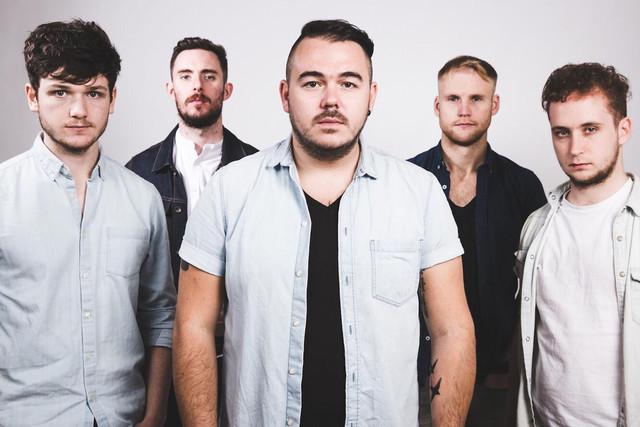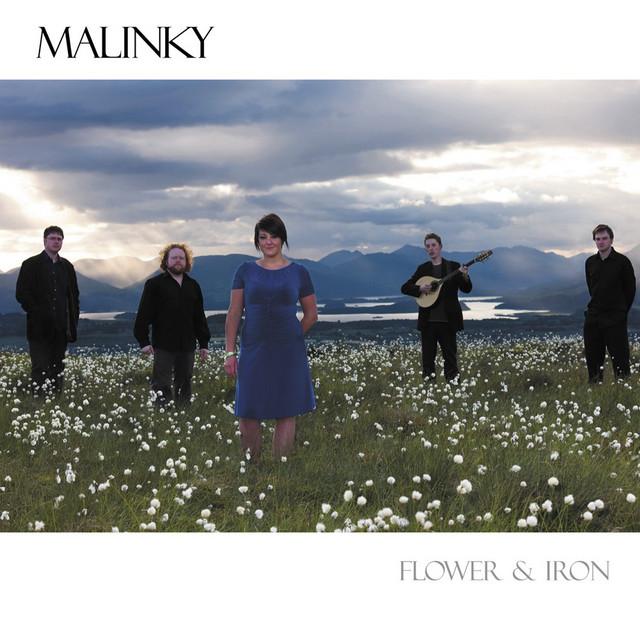
Malinky

European
Celtic
Nordic Folk
 Viberate Rank: 222309
 Viberate Rank: 222309
 Monthly ListenersFollowers
 Subscribers
 Followers
 Followers
 FansTop Spotify Songs
| Track | 7-Day Streams | |
|---|---|---|
1 | 13.28K | |
2 | 3.12K | |
3 | 2.69K | |
4 | 1.10K | |
5 | 690 |
Top YouTube VideosMonthly ListenersFeatured in Playlists| Playlist | Followers | |
|---|---|---|
1 |  Traditional Scottish Folk Spotify | 138.77K |
2 |  Scottish songs 🏴 Scottish Songss | 41.20K |
3 |  I am My Mother’s Savage Daughter🏹 Kristen | 21.68K |
4 |  Scottish Folk/ Traditional Joar Fosså | 17.12K |
5 |  natidreddd Snufkin | 12.10K |
Audience| City | Monthly Listeners | |
|---|---|---|
1 | | 1.46K |
2 | | 1.31K |
3 | | 477 |
4 |  | 424 |
5 |  | 363 |
See full performance history, audience data, playlist activity, rankings, comparisons, and more in Viberate music analytics. Start with a free trial, then continue with a paid plan.
Malinky’s Spotify BioFormed in 1998 by denizens of the Edinburgh folk scene, Malinky have always mixed traditional Scottish and original music, and in their early days were buoyed by the talents of singer/songwriter/guitarist Karine Polwart. They hit success very quickly, grabbing the new talent award at the Celtic Connections festival within months of their formation. From there it was a short and natural step to signing with Scots label Greentrax and releasing Last Leaves in 1999. They changed two members the following year and released their sophomore effort, Three Ravens, in 2002, which contained the traditional "Billy Taylor" and Polwart's own "Thaney" (about St. Enoch), which was nominated for an award. A couple of years later the band underwent a sea change, as Polwart departed for a solo career, and accordionist/whistle player Leo McCann also quit. The other members drafted in Fiona Hunter to sing and play cello, along with multi-instrumentalist Ewan MacPherson -- and old and new lineups performed… together in early 2005. Once the new members were settled, the album The Unseen Hours followed at the end of the year, winning many plaudits. Another three years would pass (and MacPherson would leave, replaced by David Wood and Mike Vass) before the group celebrated its tenth anniversary with Flower and Iron. ~ Chris Nickson, Rovi
Viberate is a music analytics platform built for A&Rs, artist managers, labels, booking agents, marketers, and artists.
It helps music professionals track artist growth, analyze audience data, monitor playlist activity, compare artists, follow song performance, and identify opportunities across the music market.
Public artist pages provide a free preview of selected artist data. Paid plans provide access to deeper analytics, historical data, charts, comparisons, playlist tools, exports, alerts, reports, and additional professional features.
Yes. Public Viberate artist pages provide selected artist analytics and music data for free.
Viberate also offers a 7-day free trial of the full platform. A credit card is required to start the trial. The trial includes access to the complete product so users can test deeper artist analytics, historical views, playlist insights, comparisons, charts, exports, alerts, and reporting features before choosing a paid plan.
Viberate provides artist analytics across streaming, playlists, social media, video, radio airplay, songs, and audience markets.
Users can analyze Spotify performance, Spotify and Apple Music playlists, YouTube activity, TikTok and Instagram growth, radio spins, song performance, audience locations, demographics, rankings, and overall artist momentum.
Artist profiles also connect to music charts, similar artists, and comparison tools, helping users benchmark performance and evaluate artists in context.
Viberate updates key artist and track data daily.
For followed artists and tracks, selected data is refreshed multiple times per day. This helps teams monitor playlist changes, streaming movement, audience growth, releases, and campaign performance with more current data.
Update frequency can vary depending on the metric and data source.
Yes. Viberate lets users compare up to five artists side by side across streaming, social media, audience, and engagement metrics.
Users can compare fanbase growth, audience demographics, locations, Spotify performance, social metrics, and other artist data over selected time periods.
Artist comparison can be used for A&R scouting, benchmarking, booking decisions, campaign planning, and evaluating artists with similar audiences or market positions.