O'Death

Country
Americana/Alt Country
Folk Rock
 Viberate Rank: 168984
 Viberate Rank: 168984
 Monthly ListenersFollowers
 Subscribers
 Followers
 Followers
 FansTop Spotify Songs
| Track | 7-Day Streams | |
|---|---|---|
1 | 8.24K | |
2 | 2.06K | |
3 | 1.59K | |
4 | 1.51K | |
5 | 1.14K |
Top YouTube Videos| Video | 7-Day Views | |
|---|---|---|
1 | 8 |
Monthly ListenersFeatured in Playlists| Playlist | Followers | |
|---|---|---|
1 |  Spooky Banjo Time Pawns or Kings | 213.07K |
2 |  Southern Gothic/Dark Western Seanathan Alexand | 44.94K |
3 |  Dark Country / Southern Gothic rodrigovanhoz | 33.04K |
4 |  Southern Gothic/Dark Folk Jenifer Fori | 13.54K |
5 |  MTB Sessions José Tomás Novoa Matte | 13.01K |
Audience| City | Monthly Listeners | |
|---|---|---|
1 | | 400 |
2 | | 385 |
3 | | 350 |
4 | | 318 |
5 |  | 303 |
See full performance history, audience data, playlist activity, rankings, comparisons, and more in Viberate music analytics. Start with a free trial, then continue with a paid plan.
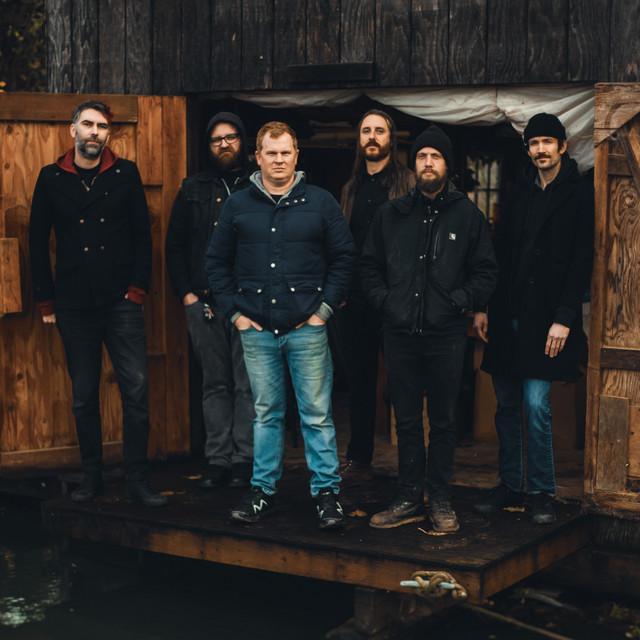
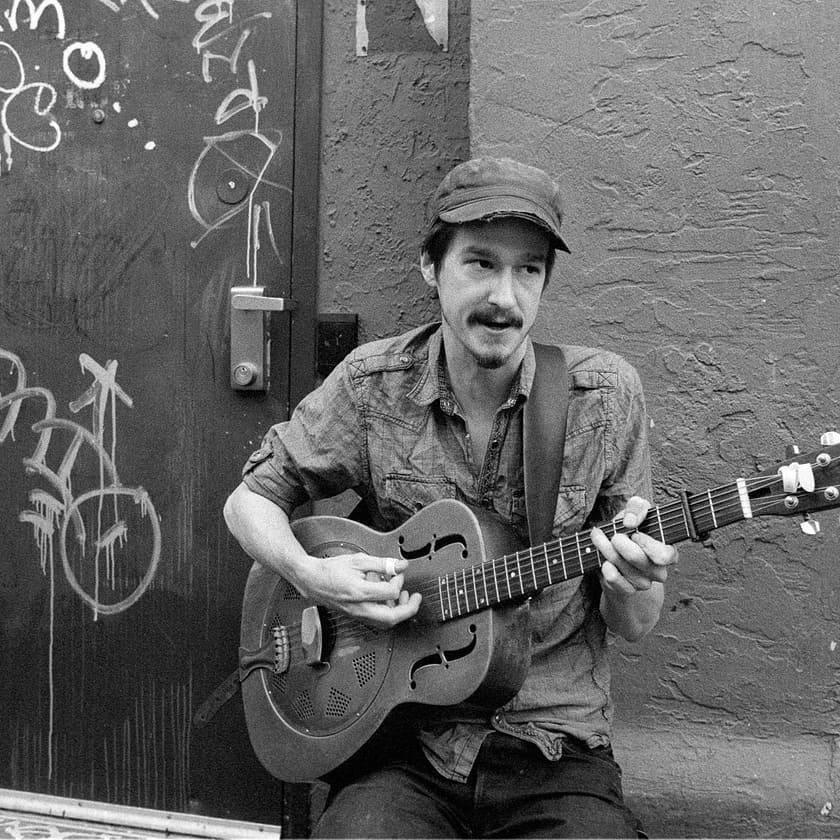
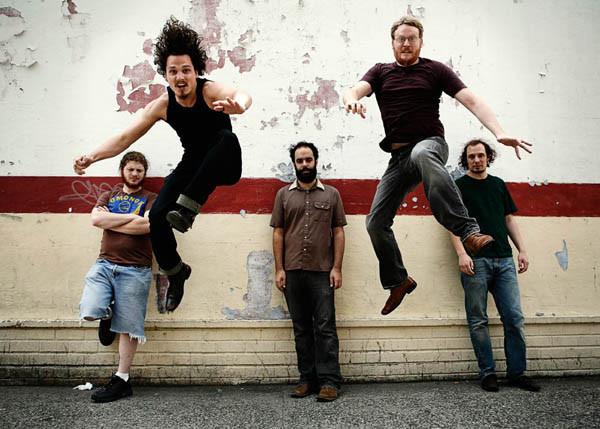
O'Death’s Spotify BioThe boys in O'Death come from all over the Eastern Seaboard, but got together in 2003 while they were attending the State University of New York in Purchase. They use folk styles -- primarily bluegrass and old-time music -- for a foundation, but punk, grunge, swing, rock, metal, and jazz figure heavily in their arrangements. The original members were drummer David Rogers-Berry and singer/guitarist Greg Jamie. Rogers-Berry approached Jamie after he finished a solo songwriter gig and suggested forming a gothic folk band. Rogers-Berry learned to play drums as a child, and his manic folk-punk style is one of the foundations of the band's sound. With Jamie's unruly vocals -- an inspired blend of singing, talking, and screaming -- the stage was set for a unique blend of alt-rock and hardcore traditional music.
Next in was guitar player Gabe Darling, who switched to banjo after two years with the band. His ragged picking contains odd percussion accents that owe little to rock or bluegrass, but… fit perfectly into the musical assault that the band unleash on unsuspecting listeners. During their first band practice, they collectively wrote three songs and had a good sense of the direction they were headed in. Borrowing their band name from Dock Boggs' most famous tune is a tip to the fact that they're deadly -- ahem -- serious about their music. As their sound evolved they attracted fiddler Bob Pycior, who acts as the glue holding the band's everything-but-the-kitchen-sink arrangements together. He constantly pushes the other players to keep things musically interesting, and, like Jamie, he's a maniac on-stage. Bassman Jesse Newman has a Master's degree in music from SUNY Purchase and was the last member to join, and the band really came together when he did.
They usually write original material as a group, with everyone contributing words, music, and arrangements. The tunes sound loose and timeless, but it's obvious from the way arrangements veer from loony jug band rhythms to sanctified Southern gospel frenzy that the tunes are carefully thought out. The balance of acoustic and electric instruments allows the band to appeal to both rockers and hardcore folkies. As O'Death gelled, they took up residence in the Apocalypse Lounge in New York City's East Village. "By the time we stopped playing these shows we were ready to play in public," Jamie says. "We'd built a reputation as a crazy live band but nothing will ever be as crazy as the shows at Apocalypse." While they were honing their performance and musical chops, they made a ten-track CD-R in 2004 to sell at shows, Carl Nemelka Family Photographs, and while it's an incredibly raw album, it's exciting to hear the bandmembers as they discover their direction and musical strengths.
Their proper debut, Head Home, was released later that year and shows amazing creative growth. Like Carl Nemelka, it was never intended for wide consumption, mainly because the bandmembers felt they lacked the capacity to release and distribute it the way a record should be released. CD Baby, Insound, and other online distributors took it on until the band's nonstop touring caught the attention of Ernest Jenning Records, which expanded Head Home's distribution nationally in June of 2007. (City Slang also released the album in Europe in the summer of 2007.) The band continued to tour the U.S. and Europe in the following months. Their label put out a limited-edition (500 copies) of the album on vinyl in late 2007, and released a 7" single of two new tunes, "Low Tide" and "I Think I'm Fine," and a cover of the Pixies' "Nimrod's Son" in October of 2007. Broken Hymns, Limbs and Skin followed in 2008, while Outside was issued in 2011. Jamie relocated to Maine in 2012, and was eventually followed by the entire band. Out of Hands We Go was released by Northern Spy in the fall of 2014. ~ j. poet, Rovi
Viberate is a music analytics platform built for A&Rs, artist managers, labels, booking agents, marketers, and artists.
It helps music professionals track artist growth, analyze audience data, monitor playlist activity, compare artists, follow song performance, and identify opportunities across the music market.
Public artist pages provide a free preview of selected artist data. Paid plans provide access to deeper analytics, historical data, charts, comparisons, playlist tools, exports, alerts, reports, and additional professional features.
Yes. Public Viberate artist pages provide selected artist analytics and music data for free.
Viberate also offers a 7-day free trial of the full platform. A credit card is required to start the trial. The trial includes access to the complete product so users can test deeper artist analytics, historical views, playlist insights, comparisons, charts, exports, alerts, and reporting features before choosing a paid plan.
Viberate provides artist analytics across streaming, playlists, social media, video, radio airplay, songs, and audience markets.
Users can analyze Spotify performance, Spotify and Apple Music playlists, YouTube activity, TikTok and Instagram growth, radio spins, song performance, audience locations, demographics, rankings, and overall artist momentum.
Artist profiles also connect to music charts, similar artists, and comparison tools, helping users benchmark performance and evaluate artists in context.
Viberate updates key artist and track data daily.
For followed artists and tracks, selected data is refreshed multiple times per day. This helps teams monitor playlist changes, streaming movement, audience growth, releases, and campaign performance with more current data.
Update frequency can vary depending on the metric and data source.
Yes. Viberate lets users compare up to five artists side by side across streaming, social media, audience, and engagement metrics.
Users can compare fanbase growth, audience demographics, locations, Spotify performance, social metrics, and other artist data over selected time periods.
Artist comparison can be used for A&R scouting, benchmarking, booking decisions, campaign planning, and evaluating artists with similar audiences or market positions.