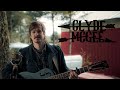
Clyde and the Milltailers

Country
Americana/Alt Country
Folk Punk
 Viberate Rank: 179249
 Viberate Rank: 179249
 Monthly ListenersFollowers
 Subscribers
 Followers
 Followers
 FansTop Spotify Songs
| Track | 7-Day Streams | |
|---|---|---|
1 | 7.38K | |
2 | 6.05K | |
3 | 2.76K | |
4 | 2.41K | |
5 | 2.31K |
Top YouTube VideosMonthly ListenersFeatured in Playlists| Playlist | Followers | |
|---|---|---|
1 |  Spooky Banjo Time Pawns or Kings | 213.06K |
2 |  Murderfolk - Essential Dark Folk and Southern Gothic Underground Alliance | 48.28K |
3 |  Southern Gothic/Dark Western Seanathan Alexand | 44.96K |
4 |  You Don't Hate Country Music: Rising Alt Country Pawns or Kings | 38.57K |
5 |  Old Country Classics Glenn Asbjørn B. Ovedal | 34.48K |
Audience| City | Monthly Listeners | |
|---|---|---|
1 | | 695 |
2 | | 664 |
3 | | 639 |
4 | | 497 |
5 | | 465 |
See full performance history, audience data, playlist activity, rankings, comparisons, and more in Viberate music analytics. Start with a free trial, then continue with a paid plan.
Clyde and the Milltailers’ Spotify Bio“Clyde has a voice that is incomparable to modern artists. His style on guitar, or banjo, when he is playing compliments his voice, and brings you back to a time when life was much more simple.”
— PUNKNEWS.COM
Clyde and the Milltailers is a Dark Folk and Americana trio that has featured a rotating line up of musicians since it's formation in 2016 by Clyde McGee. The most recent lineup including Lightnin' Luke on violin and King Strang on Upright bass. All three are members of the Portland based group The Bridge City Sinners and are apart of the Flail Records family. The songwriting and style is heavily influenced by early American swing, folk, and Appalachian old time music.
Viberate is a music analytics platform built for A&Rs, artist managers, labels, booking agents, marketers, and artists.
It helps music professionals track artist growth, analyze audience data, monitor playlist activity, compare artists, follow song performance, and identify opportunities across the music market.
Public artist pages provide a free preview of selected artist data. Paid plans provide access to deeper analytics, historical data, charts, comparisons, playlist tools, exports, alerts, reports, and additional professional features.
Yes. Public Viberate artist pages provide selected artist analytics and music data for free.
Viberate also offers a 7-day free trial of the full platform. A credit card is required to start the trial. The trial includes access to the complete product so users can test deeper artist analytics, historical views, playlist insights, comparisons, charts, exports, alerts, and reporting features before choosing a paid plan.
Viberate provides artist analytics across streaming, playlists, social media, video, radio airplay, songs, and audience markets.
Users can analyze Spotify performance, Spotify and Apple Music playlists, YouTube activity, TikTok and Instagram growth, radio spins, song performance, audience locations, demographics, rankings, and overall artist momentum.
Artist profiles also connect to music charts, similar artists, and comparison tools, helping users benchmark performance and evaluate artists in context.
Viberate updates key artist and track data daily.
For followed artists and tracks, selected data is refreshed multiple times per day. This helps teams monitor playlist changes, streaming movement, audience growth, releases, and campaign performance with more current data.
Update frequency can vary depending on the metric and data source.
Yes. Viberate lets users compare up to five artists side by side across streaming, social media, audience, and engagement metrics.
Users can compare fanbase growth, audience demographics, locations, Spotify performance, social metrics, and other artist data over selected time periods.
Artist comparison can be used for A&R scouting, benchmarking, booking decisions, campaign planning, and evaluating artists with similar audiences or market positions.