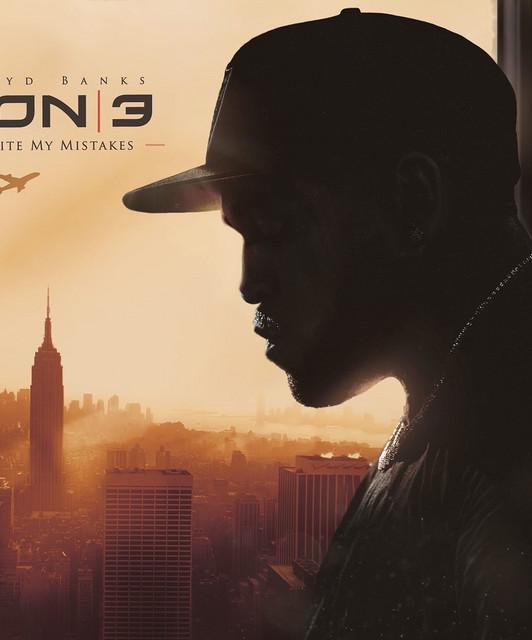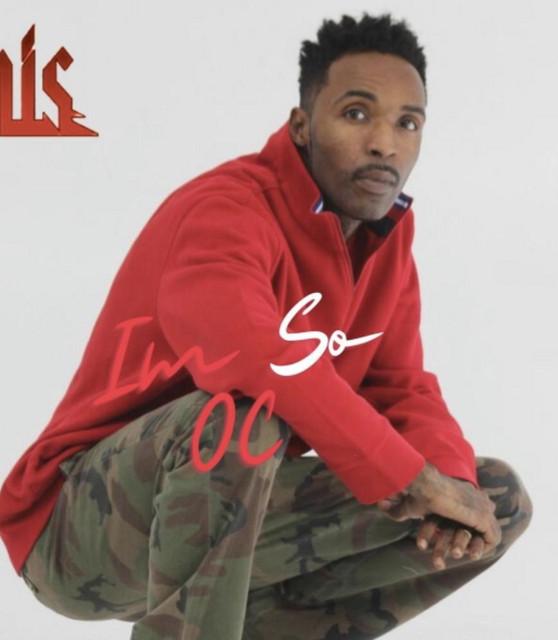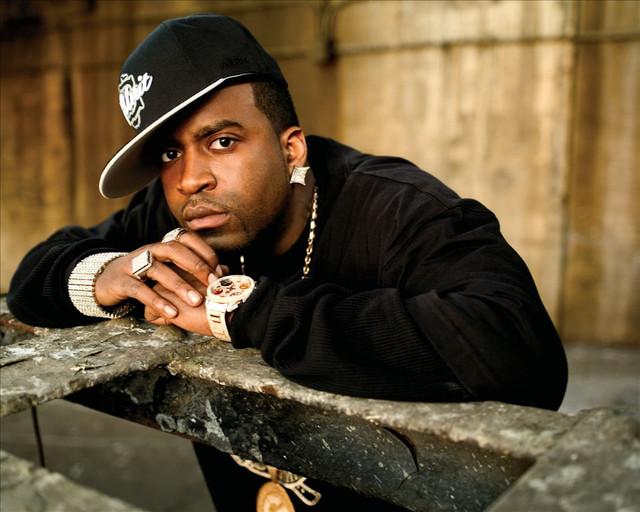
Obie Trice

Hip Hop
Contemporary Hip Hop
Alternative Hip Hop
 Viberate Rank: 9977
 Viberate Rank: 9977
 Monthly ListenersFollowers
 Subscribers
 Followers
 Followers
 FansTop Spotify Songs
| Track | 7-Day Streams | |
|---|---|---|
1 | 410.50K | |
2 | 252.65K | |
3 | 150.65K | |
4 | 111.35K | |
5 | 97.65K |
Top YouTube VideosMonthly ListenersFeatured in Playlists| Playlist | Followers | |
|---|---|---|
1 |  Hip Hop 90's & 2000's - Classics Bruno Braga | 452.78K |
2 |  This Is The Notorious B.I.G. Spotify | 443.65K |
3 |  This Is Akon Spotify | 349.39K |
4 |  I Love My Midwest Classics Spotify | 341.82K |
5 |  This Is Dr. Dre Spotify | 320.29K |
Audience| City | Monthly Listeners | |
|---|---|---|
1 |  | 40.14K |
2 | | 34.33K |
3 | | 30.86K |
4 |  | 30.45K |
5 |  | 26.16K |
See full performance history, audience data, playlist activity, rankings, comparisons, and more in Viberate music analytics. Start with a free trial, then continue with a paid plan.
Obie Trice’s Spotify BioDetroit rapper Obie Trice came up in his city's vibrant turn-of-the-century rap scene as an affiliate of Eminem's, easily the biggest success story in Detroit hip-hop. His irreverent, rough-neck style was in line with the raw, take-no-prisoners style of Motor City peers like D12 and Royce da 5' 9". This style was in full force on his hungry 2003 debut studio album Cheers, released on Eminem's Shady Records.
Obie Trice was born in 1977 and raised in Detroit, Michigan. He began rapping at a young age when his mother bought him a karaoke machine that he used to rap over the beats of Run-D.M.C. and N.W.A. Over the years he improved his craft remarkably, releasing tapes and competing in rap battles in the local underground scene as Obie 1. Through mutual friends in D12, Trice was introduced to Eminem, who ultimately signed him to his fledgling Shady Records imprint in 2000. He first appeared in a skit on D12's Devil's Night album ("Obie Trice [Intro]"; 2001), then with features on The Eminem… Show ("Drips"; 2002) and the 8 Mile soundtrack ("Love Me," "Adrenaline Rush," and "Rap Name"; 2002), and finally released his own debut studio album, Cheers, in 2003. The album went platinum, and Trice wrapped up recording his follow-up by the end of 2005.
On New Year's Eve 2006, he was driving home from a Detroit club with his girlfriend when he was shot in the head. Remarkably, he was able to exit the freeway, and an ambulance took him to a hospital in Southfield. It was determined that removing the bullet would be too risky; Trice was released within hours of arriving at the hospital. Between that event and the shooting death of D12's Proof, a friend and one of the people who met him at the hospital, Trice was compelled to record new tracks for his long-finished album. Second Round's on Me was finally issued in August 2006. Two years later he left Shady, feeling the label had failed to give him the proper promotional push but making it clear that Eminem was not to blame and the two were still very close. Mixtapes and guest appearances would carry Trice until 2012 when Bottoms Up became his first release for his own Black Market Entertainment label. Dr. Dre produced the album's title track while Eminem made two guest appearances, lending his vocals to "Richard" and producing the song "Going Nowhere." Fourth album The Hangover appeared three years later, complete with cameo appearances from Young Buck, J-Nutty, and others. His fifth album, appropriately titled The Fifth, arrived in 2019. ~ Jason Birchmeier, Rovi
Viberate is a music analytics platform built for A&Rs, artist managers, labels, booking agents, marketers, and artists.
It helps music professionals track artist growth, analyze audience data, monitor playlist activity, compare artists, follow song performance, and identify opportunities across the music market.
Public artist pages provide a free preview of selected artist data. Paid plans provide access to deeper analytics, historical data, charts, comparisons, playlist tools, exports, alerts, reports, and additional professional features.
Yes. Public Viberate artist pages provide selected artist analytics and music data for free.
Viberate also offers a 7-day free trial of the full platform. A credit card is required to start the trial. The trial includes access to the complete product so users can test deeper artist analytics, historical views, playlist insights, comparisons, charts, exports, alerts, and reporting features before choosing a paid plan.
Viberate provides artist analytics across streaming, playlists, social media, video, radio airplay, songs, and audience markets.
Users can analyze Spotify performance, Spotify and Apple Music playlists, YouTube activity, TikTok and Instagram growth, radio spins, song performance, audience locations, demographics, rankings, and overall artist momentum.
Artist profiles also connect to music charts, similar artists, and comparison tools, helping users benchmark performance and evaluate artists in context.
Viberate updates key artist and track data daily.
For followed artists and tracks, selected data is refreshed multiple times per day. This helps teams monitor playlist changes, streaming movement, audience growth, releases, and campaign performance with more current data.
Update frequency can vary depending on the metric and data source.
Yes. Viberate lets users compare up to five artists side by side across streaming, social media, audience, and engagement metrics.
Users can compare fanbase growth, audience demographics, locations, Spotify performance, social metrics, and other artist data over selected time periods.
Artist comparison can be used for A&R scouting, benchmarking, booking decisions, campaign planning, and evaluating artists with similar audiences or market positions.