Number One Gun

Rock
Indie Rock
Pop Rock
Christian Music
 Viberate Rank: 216550
 Viberate Rank: 216550
 Monthly ListenersFollowers
 Subscribers
 Followers
 Followers
 FansTop Spotify Songs
| Track | 7-Day Streams | |
|---|---|---|
1 | 2.10K | |
2 | 882 | |
3 | 867 | |
4 | 794 | |
5 | 683 |
Top YouTube VideosMonthly ListenersFeatured in Playlists| Playlist | Followers | |
|---|---|---|
1 |  BEST WORSHIP 2024 MGFJ | 7.61K |
2 | 2000s Christian Rock/Punk/Emo/Metal🤘 Aaron Coon | 6.67K |
3 | Punk goes Christmas Shane Brown | 4.66K |
4 | 8D Angela Gannaway-Lopez | 4.52K |
5 |  Tooth & Nail: The Collection Tooth & Nail Records | 4.45K |
Audience| City | Monthly Listeners | |
|---|---|---|
1 | | 279 |
2 | | 250 |
3 | | 233 |
4 | | 198 |
5 | | 181 |
See full performance history, audience data, playlist activity, rankings, comparisons, and more in Viberate music analytics. Start with a free trial, then continue with a paid plan.
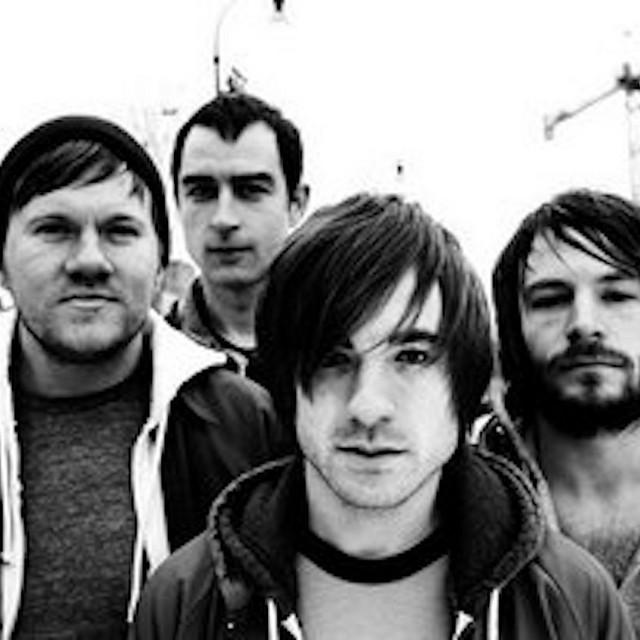
Number One Gun’s Spotify BioHailing from Chico, CA, the four original members of Number One Gun began crafting energetic, Christian-minded rock in 2001. Frontman Jeff Schneeweis, bassist Trevor Sellers, guitarist Ben Tietz, and drummer Jordan Mallory released their first EP, Forever, in 2002. The group was subsequently offered a record deal with Salvage after a chance meeting with Dave Tosti, an A&R rep for the small label as well as a group member of PAX217 (a band Number One Gun had opened for). They began recording with Bob Burch in January 2003, with Floodgate Records climbing aboard to help with the album's marketing and distribution. The resulting album, Celebrate Mistakes, was released at the end of the summer.
Number One Gun signed with Tooth and Nail in early 2005 and released their first album for the label, Promises for the Imperfect, in July. The bandmates went their separate ways one year later, however, with Schneeweis choosing to continue recording his own songs under the Number One Gun moniker.… Released in 2008, The North Pole Project found him exploring Christian themes and melodic textures, while 2010's To The Secrets And Knowledge featured lush production and songs inspired by Schneeweis' two year-old daughter. ~ Corey Apar, Rovi
Viberate is a music analytics platform built for A&Rs, artist managers, labels, booking agents, marketers, and artists.
It helps music professionals track artist growth, analyze audience data, monitor playlist activity, compare artists, follow song performance, and identify opportunities across the music market.
Public artist pages provide a free preview of selected artist data. Paid plans provide access to deeper analytics, historical data, charts, comparisons, playlist tools, exports, alerts, reports, and additional professional features.
Yes. Public Viberate artist pages provide selected artist analytics and music data for free.
Viberate also offers a 7-day free trial of the full platform. A credit card is required to start the trial. The trial includes access to the complete product so users can test deeper artist analytics, historical views, playlist insights, comparisons, charts, exports, alerts, and reporting features before choosing a paid plan.
Viberate provides artist analytics across streaming, playlists, social media, video, radio airplay, songs, and audience markets.
Users can analyze Spotify performance, Spotify and Apple Music playlists, YouTube activity, TikTok and Instagram growth, radio spins, song performance, audience locations, demographics, rankings, and overall artist momentum.
Artist profiles also connect to music charts, similar artists, and comparison tools, helping users benchmark performance and evaluate artists in context.
Viberate updates key artist and track data daily.
For followed artists and tracks, selected data is refreshed multiple times per day. This helps teams monitor playlist changes, streaming movement, audience growth, releases, and campaign performance with more current data.
Update frequency can vary depending on the metric and data source.
Yes. Viberate lets users compare up to five artists side by side across streaming, social media, audience, and engagement metrics.
Users can compare fanbase growth, audience demographics, locations, Spotify performance, social metrics, and other artist data over selected time periods.
Artist comparison can be used for A&R scouting, benchmarking, booking decisions, campaign planning, and evaluating artists with similar audiences or market positions.