The Wedding

Punk
Punk Rock
Pop Rock
Christian Music
 Viberate Rank: 208853
 Viberate Rank: 208853
 Monthly ListenersFollowers
 Subscribers
 Followers
 Followers
 FansTop Spotify Songs
| Track | 7-Day Streams | |
|---|---|---|
1 | 926 | |
2 | 534 | |
3 | 362 | |
4 | 336 | |
5 | 281 |
Top YouTube VideosMonthly ListenersFeatured in Playlists| Playlist | Followers | |
|---|---|---|
1 |  Christian Rock / Metal Nate Reagan | 47.71K |
2 | Christian Rock (Alternative) dragondeath | 10.47K |
3 |  PrizzaJam Prizza Mike | 6.89K |
4 | 2000s Christian Rock/Punk/Emo/Metal🤘 Aaron Coon | 6.67K |
5 |  Christian Punk Rock bananababy7 | 4.67K |
Audience| City | Monthly Listeners | |
|---|---|---|
1 | | 176 |
2 | | 112 |
3 | | 101 |
4 | | 95 |
5 | | 88 |
See full performance history, audience data, playlist activity, rankings, comparisons, and more in Viberate music analytics. Start with a free trial, then continue with a paid plan.
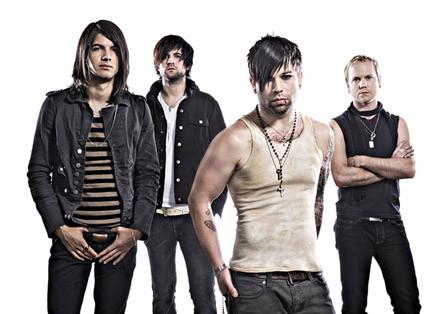
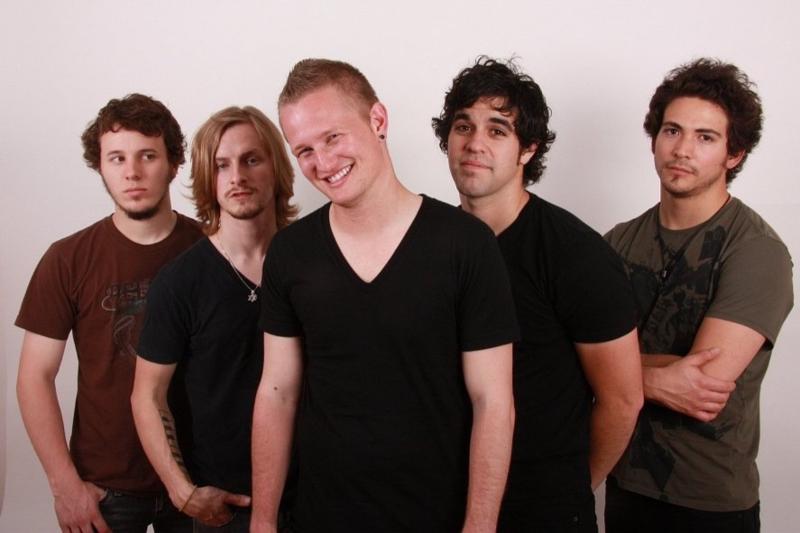
The Wedding’s Spotify BioThe Wedding are an emo-tinged Christian punk band from Fayetteville, AR. Formed when the bandmembers were still in high school, the group's original lineup was singer and keyboardist Kevin Kiehn, guitarist Trevor Sarver, bassist Cody Driggers, and, following a string of part-time drummers, Clint Robinson. Originally playing under the name Easier Said, the band toured the alternative CCM and Christian punk circuit for a couple of years, eventually signing with Rambler Records, the alt-rock imprint of Christian music mainstay BHT Entertainment. Following a self-released demo EP sold on the group's tour stops and MySpace page, the young bandmembers -- now calling themselves the Wedding -- recorded their debut album with producer Mark Lee Townsend (Relient K) in late 2004. Released in the spring of 2005, the Wedding's self-titled effort spawned several hit singles on Christian radio, including "Move This City" and "Song for the Broken." The five-song EP Rumble in the South followed in the… fall of 2005, but a period of personnel instability delayed the band's second proper album. Robinson left the Wedding in 2006, replaced by Joe "Rattlesnake" Rickard, formerly of the Christian rockers Sky Harbor. Meanwhile, bassist Jeremy Ervin, a high-school friend who had played in a very early iteration of the band, rejoined the Wedding, allowing Driggers to become the band's second guitarist. The Wedding's second album, Polarity, was released in the spring of 2007, preceded by the single "Say Your Prayers." ~ Stewart Mason
Viberate is a music analytics platform built for A&Rs, artist managers, labels, booking agents, marketers, and artists.
It helps music professionals track artist growth, analyze audience data, monitor playlist activity, compare artists, follow song performance, and identify opportunities across the music market.
Public artist pages provide a free preview of selected artist data. Paid plans provide access to deeper analytics, historical data, charts, comparisons, playlist tools, exports, alerts, reports, and additional professional features.
Yes. Public Viberate artist pages provide selected artist analytics and music data for free.
Viberate also offers a 7-day free trial of the full platform. A credit card is required to start the trial. The trial includes access to the complete product so users can test deeper artist analytics, historical views, playlist insights, comparisons, charts, exports, alerts, and reporting features before choosing a paid plan.
Viberate provides artist analytics across streaming, playlists, social media, video, radio airplay, songs, and audience markets.
Users can analyze Spotify performance, Spotify and Apple Music playlists, YouTube activity, TikTok and Instagram growth, radio spins, song performance, audience locations, demographics, rankings, and overall artist momentum.
Artist profiles also connect to music charts, similar artists, and comparison tools, helping users benchmark performance and evaluate artists in context.
Viberate updates key artist and track data daily.
For followed artists and tracks, selected data is refreshed multiple times per day. This helps teams monitor playlist changes, streaming movement, audience growth, releases, and campaign performance with more current data.
Update frequency can vary depending on the metric and data source.
Yes. Viberate lets users compare up to five artists side by side across streaming, social media, audience, and engagement metrics.
Users can compare fanbase growth, audience demographics, locations, Spotify performance, social metrics, and other artist data over selected time periods.
Artist comparison can be used for A&R scouting, benchmarking, booking decisions, campaign planning, and evaluating artists with similar audiences or market positions.