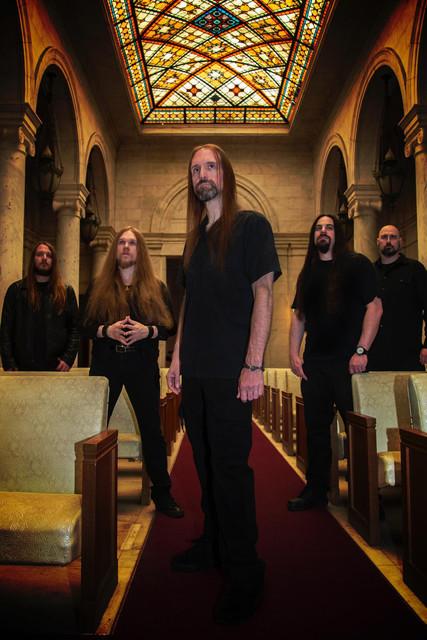
Novembers Doom

Metal
Doom/Sludge Metal
Death Metal
Gothic Metal
 Viberate Rank: 94205
 Viberate Rank: 94205
 Monthly ListenersFollowers
 Subscribers
 Followers
 Followers
 FansTop Spotify Songs
| Track | 7-Day Streams | |
|---|---|---|
1 | 4.77K | |
2 | 4.01K | |
3 | 2.57K | |
4 | 1.15K | |
5 | 884 |
Top YouTube VideosMonthly ListenersFeatured in Playlists| Playlist | Followers | |
|---|---|---|
1 | sad metal songs. Sebastian Finta | 78.49K |
2 | Doom Metal Holger Ihrig | 60.07K |
3 |  Ultimate Doom Metal Loudwire | 45.67K |
4 |  gothic metal Paula | 41.31K |
5 | Death Metal Mix 2025 Robin Hassel | 7.43K |
Audience| City | Monthly Listeners | |
|---|---|---|
1 |  | 1.64K |
2 | | 779 |
3 |  | 470 |
4 | | 436 |
5 |  | 404 |
See full performance history, audience data, playlist activity, rankings, comparisons, and more in Viberate music analytics. Start with a free trial, then continue with a paid plan.
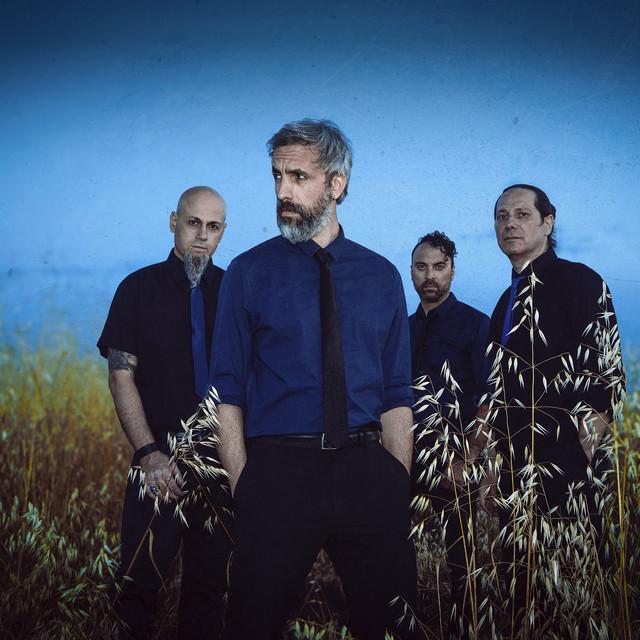
Novembers Doom’s Spotify BioConsistently active since the late '80s, Chicago's Novembers Doom developed from thrashy beginnings to early adopters of a sludgy doom metal sound. Over the next several decades, the band continued to evolve from their doomy roots, embracing orchestral impulses and unlikely gothic folk instrumentation on albums like 2000's The Knowing and 2007's epic The Novella Reservoir.
The band formed in 1989 in Downers Grove, Illinois, first operating under the name Laceration. They changed their name to Novembers Doom soon after to reflect a shift to a doomier, apocalyptic sound. In 1992, while still in their infancy, the band signed on with Italy's Regress Records on the strength of their two-song demo. Debut album Amid Its Hallowed Mirth was released in 1995 and earned praise for its hard rock -- and heavy metal -- orchestrated sound. The group also added a song to a Pavement Music compilation.
In 1997, Novembers Doom released their second effort, an EP entitled For Every Leaf That Falls. Drawing… on influences such as My Dying Bride, Edge of Sanity, and Paradise Lost, Novembers Doom released their second full-length album, Of Sculptured Ivy & Stone Flowers, in 1999. The band also signed to Martyr Music Group, Inc. In May 2000, Novembers Doom entered the studio to begin work on their third album. In July 2000, the group signed to Dark Symphonies. The band released The Knowing in 2000. This proved to be an international breakthrough, garnering them significant attention in Europe.
After a grueling tour and short break, Novembers Doom reentered the studio with producer Neil Kernon, who had helmed recordings by everyone from Cannibal Corpse and Judas Priest to Queensrÿche and Hall & Oates. The end result was To Welcome the Fade, issued in September. Their profile grew even more as the album was declared Album of the Year in Metal Maniacs Magazine. Novembers Doom toured as support for the Gathering and headlined their own shows as well.
Impressed by that tour, the Gathering's label, The End Records, signed Novembers Doom in mid-2003. They began recording in 2004 with mixing engineer Dan Swanö and Chris Djuricic as producer. Pale Haunt Departure, their most diverse collection to date, skirted the edges of dark doom and death metal while remaining firmly inside them, though there are moments when hard rock, black metal, and even NWOBHM enter the sonic fray. This time, the band headlined their own tour, playing festivals and large club dates across the U.S. and embarking on their first long trek across Europe as a headliner.
In 2007, Novembers Doom released The Novella Reservoir, which appeared to complete the expansive trilogy that began with To Welcome the Fade. Co-produced by the band with bassist Djuricic (aka Chris Wisco) and once again employing Swanö in the mixing chair, it fully implemented the flashier, meatier style of new guitarist Vito Marchese with veteran Larry Roberts' more melodic, riff-laden approach. Since they were not yet ready to cut another record, the End licensed the group's first two albums, remastered them, and added bonus tracks to create deluxe packages for reissue in 2008. That same year saw the filming and release of the DVD The Novella Vosselaar: Live in Belgium.
Into Night's Requiem Infernal was released in 2009 and created a seeming schism between longtime fans and new ones. Novembers Doom's ability to weave in more textures and dynamics moved them all but out of the doom genre as their approach grew more assaultive. The set was co-produced by the band and Wisco (who left his bass chair, which was filled by Mike Feldman) with Swanö a seemingly permanent part of the team at this juncture. Live audiences greeted the new material with the same enthusiasm, and their European audience doubled as they headlined festivals across the Continent.
Released in 2011, Aphotic incorporated their extreme roots with atmospheric, near prog and gothic aspects. It featured the track "What Could Have Been," with Paul Kuhr in duet with former Gathering lead vocalist Anneke van Giersbergen. Again, after extensive touring, the band took a break to write. Kuhr underwent some major life changes during this period as well. They re-emerged in July of 2014 with the aggressive Bled White, which featured new drummer Garry Naples, who replaced Sasha Horn. The band toured internationally, playing headline gigs as well as festival stages in the United States and Europe throughout 2015, cementing their live chemistry with this incarnation of the band. The following year, the same bandmembers entered Belle City Sound in Racine, Wisconsin with producer Djuricic and Swanö mixing. (It marked the first time in its 28-year history that Novembers Doom had worked on two consecutive albums with the same lineup.) During the recording process, they enlisted help from Ben Johnson on keyboards, My Dying Bride guitarist Andrew Craighan, and alternating backing vocals from Rhiannon Kuhr, Bernt Fjellestad (Susperia), and Swanö. In January of 2017, they announced the finished album as Hamartia, and offered the preview single "Plague Bird," and a second titled "Zephyr" in March. Hamartia was issued by the End Records in April. Two years later, 11th album Nephilim Grove materialized, presenting the band's ever-diverse range of sounds and styles with dynamic and clear production. ~ Jason MacNeil, Rovi
Viberate is a music analytics platform built for A&Rs, artist managers, labels, booking agents, marketers, and artists.
It helps music professionals track artist growth, analyze audience data, monitor playlist activity, compare artists, follow song performance, and identify opportunities across the music market.
Public artist pages provide a free preview of selected artist data. Paid plans provide access to deeper analytics, historical data, charts, comparisons, playlist tools, exports, alerts, reports, and additional professional features.
Yes. Public Viberate artist pages provide selected artist analytics and music data for free.
Viberate also offers a 7-day free trial of the full platform. A credit card is required to start the trial. The trial includes access to the complete product so users can test deeper artist analytics, historical views, playlist insights, comparisons, charts, exports, alerts, and reporting features before choosing a paid plan.
Viberate provides artist analytics across streaming, playlists, social media, video, radio airplay, songs, and audience markets.
Users can analyze Spotify performance, Spotify and Apple Music playlists, YouTube activity, TikTok and Instagram growth, radio spins, song performance, audience locations, demographics, rankings, and overall artist momentum.
Artist profiles also connect to music charts, similar artists, and comparison tools, helping users benchmark performance and evaluate artists in context.
Viberate updates key artist and track data daily.
For followed artists and tracks, selected data is refreshed multiple times per day. This helps teams monitor playlist changes, streaming movement, audience growth, releases, and campaign performance with more current data.
Update frequency can vary depending on the metric and data source.
Yes. Viberate lets users compare up to five artists side by side across streaming, social media, audience, and engagement metrics.
Users can compare fanbase growth, audience demographics, locations, Spotify performance, social metrics, and other artist data over selected time periods.
Artist comparison can be used for A&R scouting, benchmarking, booking decisions, campaign planning, and evaluating artists with similar audiences or market positions.