Daylight Dies

Metal
Doom/Sludge Metal
 Viberate Rank: 146007
 Viberate Rank: 146007
 Monthly ListenersFollowers
 Subscribers
 Followers
 Followers
 FansTop Spotify Songs
| Track | 7-Day Streams | |
|---|---|---|
1 | 4.25K | |
2 | 2.04K | |
3 | 1.77K | |
4 | 1.67K | |
5 | 820 |
Top YouTube Videos| Video | 7-Day Views | |
|---|---|---|
1 | 1 |
Monthly ListenersFeatured in Playlists| Playlist | Followers | |
|---|---|---|
1 | sad metal songs. Sebastian Finta | 78.46K |
2 |  Ultimate Doom Metal Loudwire | 45.65K |
3 |  Metal Instrumentals Samidhya Sarker Torsho | 18.16K |
4 | Metal🤘🏻 Naydil González | 16.46K |
5 |  Post Metal Laura | 7.44K |
Audience| City | Monthly Listeners | |
|---|---|---|
1 |  | 813 |
2 | | 426 |
3 |  | 265 |
4 | | 259 |
5 |  | 181 |
See full performance history, audience data, playlist activity, rankings, comparisons, and more in Viberate music analytics. Start with a free trial, then continue with a paid plan.
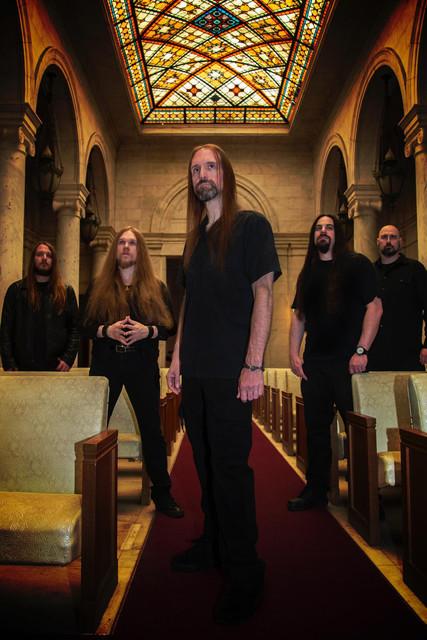
Daylight Dies’ Spotify BioRecognized as one of the pioneers of doom/death metal, Daylight Dies have been lauded for their brand of dark atmospheric music since the release of the Idle EP in 2000. Formed by long-time collaborators Barre Gambling on guitars, and Jesse Haff on drums in 1996, the two were joined by Egan O’Rourke on bass and vocals and Guthrie Iddings on lead vocals, and released their debut full length No Reply on Relapse Records in 2002. Called “memorable and engaging” by Terrorizer Magazine, the album and subsequent touring in Europe and North America catapulted Daylight Dies onto the radar of international audiences.
Dismantling Devotion was released by Candlelight Records in 2006, and represented a significant musical evolution. Nathan Ellis replaced Iddings on vocals, and Charley Shackelford joined as a second guitarist. The album received wide acclaim, labeled a “landmark American album” by Digital Metal. While based in the U.S., the band especially gained appreciation in Europe.
2009’s Lost to… the Living continued to push the boundaries, contrasting beautiful melancholic leads with harsh dissonant rhythms. Revolver Magazine called it “masterful.”
A Frail Becoming was released in 2012, demonstrating the most mature songwriting to date, and once again firmly established Daylight Dies as a leader within the genre. All Music called it “beyond anything accomplished before in America.”
The band is currently working on new music.
Viberate is a music analytics platform built for A&Rs, artist managers, labels, booking agents, marketers, and artists.
It helps music professionals track artist growth, analyze audience data, monitor playlist activity, compare artists, follow song performance, and identify opportunities across the music market.
Public artist pages provide a free preview of selected artist data. Paid plans provide access to deeper analytics, historical data, charts, comparisons, playlist tools, exports, alerts, reports, and additional professional features.
Yes. Public Viberate artist pages provide selected artist analytics and music data for free.
Viberate also offers a 7-day free trial of the full platform. A credit card is required to start the trial. The trial includes access to the complete product so users can test deeper artist analytics, historical views, playlist insights, comparisons, charts, exports, alerts, and reporting features before choosing a paid plan.
Viberate provides artist analytics across streaming, playlists, social media, video, radio airplay, songs, and audience markets.
Users can analyze Spotify performance, Spotify and Apple Music playlists, YouTube activity, TikTok and Instagram growth, radio spins, song performance, audience locations, demographics, rankings, and overall artist momentum.
Artist profiles also connect to music charts, similar artists, and comparison tools, helping users benchmark performance and evaluate artists in context.
Viberate updates key artist and track data daily.
For followed artists and tracks, selected data is refreshed multiple times per day. This helps teams monitor playlist changes, streaming movement, audience growth, releases, and campaign performance with more current data.
Update frequency can vary depending on the metric and data source.
Yes. Viberate lets users compare up to five artists side by side across streaming, social media, audience, and engagement metrics.
Users can compare fanbase growth, audience demographics, locations, Spotify performance, social metrics, and other artist data over selected time periods.
Artist comparison can be used for A&R scouting, benchmarking, booking decisions, campaign planning, and evaluating artists with similar audiences or market positions.