Insania

Metal
Power Metal
 Viberate Rank: 316489
 Viberate Rank: 316489
 Monthly ListenersFollowers
 Subscribers
 Followers
 Followers
 FansTop Spotify Songs
| Track | 7-Day Streams | |
|---|---|---|
1 | 1.52K | |
2 | 483 | |
3 | 402 | |
4 | 374 | |
5 | 359 |
Top YouTube VideosMonthly ListenersFeatured in Playlists| Playlist | Followers | |
|---|---|---|
1 |  Power Metal Essentials tunesofmetal | 21.23K |
2 |  Grunge aesthetic ☦︎︎Stella☽ฅ^•ﻌ•^ฅ | 14.42K |
3 | Powermetal Espen Tennholm | 7.64K |
4 | Metal Opera Alefe Elie'l | 4.94K |
5 | Instrumental Metal Vince | 4.56K |
Audience| City | Monthly Listeners | |
|---|---|---|
1 |  | 505 |
2 |  | 274 |
3 |  | 191 |
4 |  | 148 |
5 | | 115 |
See full performance history, audience data, playlist activity, rankings, comparisons, and more in Viberate music analytics. Start with a free trial, then continue with a paid plan.
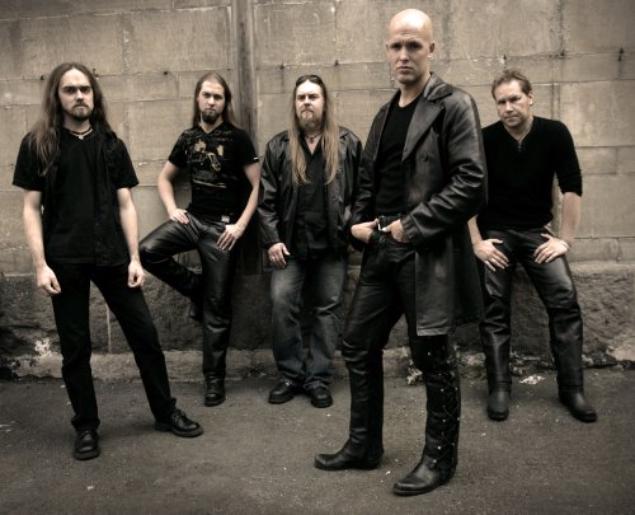
Insania’s Spotify BioInsania was formed in 1992 by Mikko Korsbäck and Henrik Juhano. Tomas Stolt was added to the line-up shortly after and a few other musicians were also part of the band for short periods of time. The band started off by playing covers of their favorite bands such as Helloween and Iron Maiden, but were not producing their own music at this point. Eventually Mikko´s classmate Niklas Dahlin became the band´s second guitar player and they started writing their own tunes. The band then added Patrik Västilä to pursue a more melodic style. Mikko took it upon himself to sing, even if he was playing the drums at the same time, as the band had not found a vocalist to match their ambitions. In 1997, the band approached singer David Henriksson to join the band. The match between the band's ambitions and David’s vocals were a complete match made in heaven. The band felt complete now and sought to find a way to reach a bigger crowd. Later, the band was offered a deal with House of Kicks (later known… as MNW and then Sound Pollution) and their debut album "World of Ice" was released in 1999. The band would go on to release three more albums over the course of the coming years while enduring some line-up changes.
The band's current line-up consists of Mikko Korsbäck (drums), Tomas Stolt (bass), Niklas Dahlin (guitar), Ola Halén (vocals), Dimitri Keiski (vocals), and Peter Östros (guitar). Energized and inspired, they will release their fifth album in 2021.
Viberate is a music analytics platform built for A&Rs, artist managers, labels, booking agents, marketers, and artists.
It helps music professionals track artist growth, analyze audience data, monitor playlist activity, compare artists, follow song performance, and identify opportunities across the music market.
Public artist pages provide a free preview of selected artist data. Paid plans provide access to deeper analytics, historical data, charts, comparisons, playlist tools, exports, alerts, reports, and additional professional features.
Yes. Public Viberate artist pages provide selected artist analytics and music data for free.
Viberate also offers a 7-day free trial of the full platform. A credit card is required to start the trial. The trial includes access to the complete product so users can test deeper artist analytics, historical views, playlist insights, comparisons, charts, exports, alerts, and reporting features before choosing a paid plan.
Viberate provides artist analytics across streaming, playlists, social media, video, radio airplay, songs, and audience markets.
Users can analyze Spotify performance, Spotify and Apple Music playlists, YouTube activity, TikTok and Instagram growth, radio spins, song performance, audience locations, demographics, rankings, and overall artist momentum.
Artist profiles also connect to music charts, similar artists, and comparison tools, helping users benchmark performance and evaluate artists in context.
Viberate updates key artist and track data daily.
For followed artists and tracks, selected data is refreshed multiple times per day. This helps teams monitor playlist changes, streaming movement, audience growth, releases, and campaign performance with more current data.
Update frequency can vary depending on the metric and data source.
Yes. Viberate lets users compare up to five artists side by side across streaming, social media, audience, and engagement metrics.
Users can compare fanbase growth, audience demographics, locations, Spotify performance, social metrics, and other artist data over selected time periods.
Artist comparison can be used for A&R scouting, benchmarking, booking decisions, campaign planning, and evaluating artists with similar audiences or market positions.