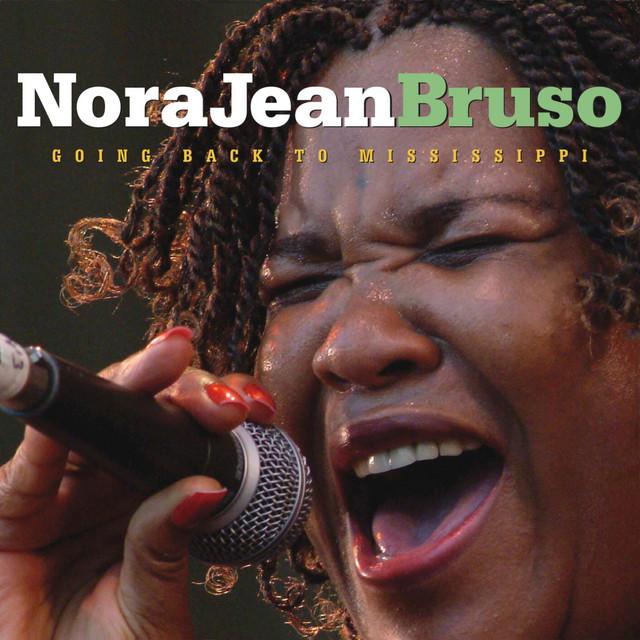
Nora Jean Bruso

Blues
Contemporary Blues
 Viberate Rank: 518829
 Viberate Rank: 518829
 Monthly ListenersFollowers
 Subscribers
 Followers
 Followers
 FansTop Spotify Songs
| Track | 7-Day Streams | |
|---|---|---|
1 | 140 | |
2 | 43 | |
3 | 26 | |
4 | 20 | |
5 | 14 |
Top YouTube VideosMonthly ListenersFeatured in Playlists| Playlist | Followers | |
|---|---|---|
1 |  Don's Tunes | Blues & Jazz Playlist | Official Don's Tunes | 50.97K |
2 |  Slow Blues & Blues Rock | Don's Tunes Don's Tunes | 19.74K |
3 |  The Best Female Blues & Jazz Vocals | Don's Tunes Don's Tunes | 15.00K |
4 | Alvin Lee — The Bluest Blues lhbnvds | 3.28K |
5 |  Blues, Rock´n Roll and Boogie Woogie 1 Urban Mathiasson | 2.93K |
Audience| City | Monthly Listeners | |
|---|---|---|
1 |  | 12 |
2 | | 12 |
3 |  | 8 |
4 |  | 8 |
5 |  | 6 |
See full performance history, audience data, playlist activity, rankings, comparisons, and more in Viberate music analytics. Start with a free trial, then continue with a paid plan.
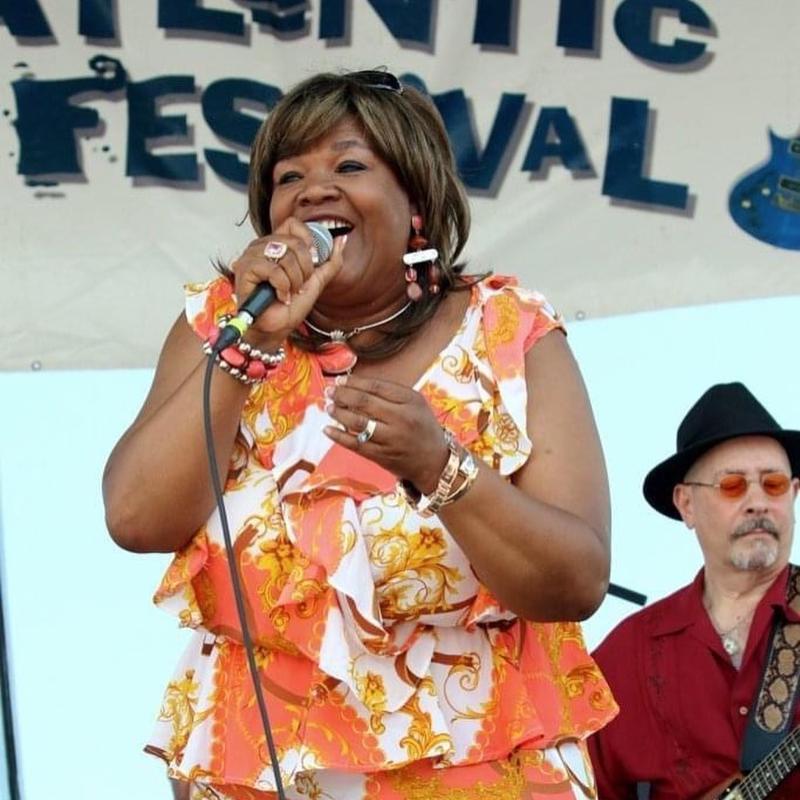
Nora Jean Bruso’s Spotify BioVocalist Nora Jean Bruso has been an up-and-comer in the blues world, but go and see her perform live at a club or a festival, and you'll quickly discover she's a polished professional, a stone cold pro. Bruso, or Elnora Wallace, was born and raised in Greenwood, Mississippi, a town famous for producing a variety of blues and gospel greats. Her father was Bobby Lee Wallace, a blues singer and sharecropper; her mother was Ida Lee Wallace, a gospel singer.
In high scool, Nora Jean won the West Tallahatchie High School Talent Show grand prize for singing, and she began to perform in other area schools with small groups. Realizing her opportunities for recognition and recording were limited in Mississippi, Bruso moved to Chicago in 1976 and began her professional singing career with Scottie and the Oasis. Six years later, Scottie passed away and the band broke up, but Nora Jean began singing with other West Side bands she had already developed relationships with, including Little Johnnie… Christian.
By 1985, she joined Jimmie Dawkins' band and recorded her first single, "Untrue Lover" for Dawkins' own record company, the Leric Label. (Some of Dawkins' Leric sides were reissued by Delmark Records.) She also sang on Can't Shake These Blues, an anthology released by Earwig Records.
In 1991, she recorded with Dawkins on his album for the British JSP label, Feel the Blues, which was later re-released in 2003 with a bonus track from Bruso.
In 1992, she retired from the rigors of regional touring to concentrate on raising her two sons, but by 2001, she was called back into the studio by fellow Jimmie Dawkins band alumnus Billy Flynn. She provided four vocal tracks on Blues and Love, a 2002 release, and later that year, she resumed her blues career, such as it was, appearing on the main stage at the Chicago Blues Festival with Dawkins' band.
Later in 2002, she recorded her first album, Nora Jean Sings the Blues, and was awarded a "Keeping the Blues Alive" citation by the Black History Association in Chicago. In 2003, she released Sings the Blues on the Red Hurricane Records label and the album garnered critical praise from radio programmers around the U.S. and Canada. She performed again at the 2003 Chicago Blues Festival and headed to Europe that summer for a tour.
By 2004, Bruso was nominated for two W.C. Handy Awards, one for Best New Artist and one for Best Traditional Female Artist. Later that year, she signed a deal with Maryland-based Severn Records and released Going Back to Mississippi, which debuted at number five on the Living Blues magazine radio charts and climbed to number one on XM satellite radio. In June, 2004, she performed again on the main stage at the Chicago Blues Festival, with her own band, and in 2005 she made a slew of other festival performances around the U.S. and Canada, including the Cape May Jazz Festival and the Pocono Blues Festival.
During the 2000s, the Nora Jean Bruso band included Carl Weathersby on guitar, James Carter, drums, Bruce Belgin, bass and Brian Lupo, guitar. When they weren't on the road, Nora Jean was based in LaPorte, Indiana. ~ Richard Skelly, Rovi
Viberate is a music analytics platform built for A&Rs, artist managers, labels, booking agents, marketers, and artists.
It helps music professionals track artist growth, analyze audience data, monitor playlist activity, compare artists, follow song performance, and identify opportunities across the music market.
Public artist pages provide a free preview of selected artist data. Paid plans provide access to deeper analytics, historical data, charts, comparisons, playlist tools, exports, alerts, reports, and additional professional features.
Yes. Public Viberate artist pages provide selected artist analytics and music data for free.
Viberate also offers a 7-day free trial of the full platform. A credit card is required to start the trial. The trial includes access to the complete product so users can test deeper artist analytics, historical views, playlist insights, comparisons, charts, exports, alerts, and reporting features before choosing a paid plan.
Viberate provides artist analytics across streaming, playlists, social media, video, radio airplay, songs, and audience markets.
Users can analyze Spotify performance, Spotify and Apple Music playlists, YouTube activity, TikTok and Instagram growth, radio spins, song performance, audience locations, demographics, rankings, and overall artist momentum.
Artist profiles also connect to music charts, similar artists, and comparison tools, helping users benchmark performance and evaluate artists in context.
Viberate updates key artist and track data daily.
For followed artists and tracks, selected data is refreshed multiple times per day. This helps teams monitor playlist changes, streaming movement, audience growth, releases, and campaign performance with more current data.
Update frequency can vary depending on the metric and data source.
Yes. Viberate lets users compare up to five artists side by side across streaming, social media, audience, and engagement metrics.
Users can compare fanbase growth, audience demographics, locations, Spotify performance, social metrics, and other artist data over selected time periods.
Artist comparison can be used for A&R scouting, benchmarking, booking decisions, campaign planning, and evaluating artists with similar audiences or market positions.