Noise Addict

Electronic
Techno
Lo-Fi
 Viberate Rank: 467913
 Viberate Rank: 467913
 Monthly ListenersFollowers
 Subscribers
 Followers
 Followers
 FansTop Spotify Songs
| Track | 7-Day Streams | |
|---|---|---|
1 | 317 | |
2 | 317 | |
3 | 99 | |
4 | 78 | |
5 | 45 |
Top YouTube VideosMonthly ListenersFeatured in Playlists| Playlist | Followers | |
|---|---|---|
1 |  1990s Punk & Indie Numero Group | 16.21K |
2 |  Now On Numero: 90s Essentials Numero Group Scenes & Decades | 6.74K |
3 |  Songs 2 Make U Feel Cool Coast Modern | 5.75K |
4 |  Thrifted (Numero Group) Numero Group Concierge | 3.89K |
5 |  The Sound of Lo-Fi The Sounds of Spotify | 3.19K |
Audience| City | Monthly Listeners | |
|---|---|---|
1 |  | 80 |
2 | | 54 |
3 |  | 45 |
4 | | 41 |
5 | | 29 |
See full performance history, audience data, playlist activity, rankings, comparisons, and more in Viberate music analytics. Start with a free trial, then continue with a paid plan.
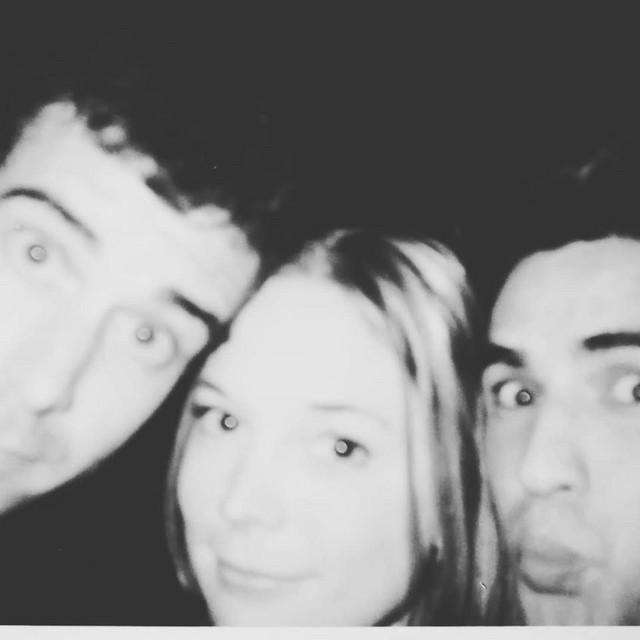
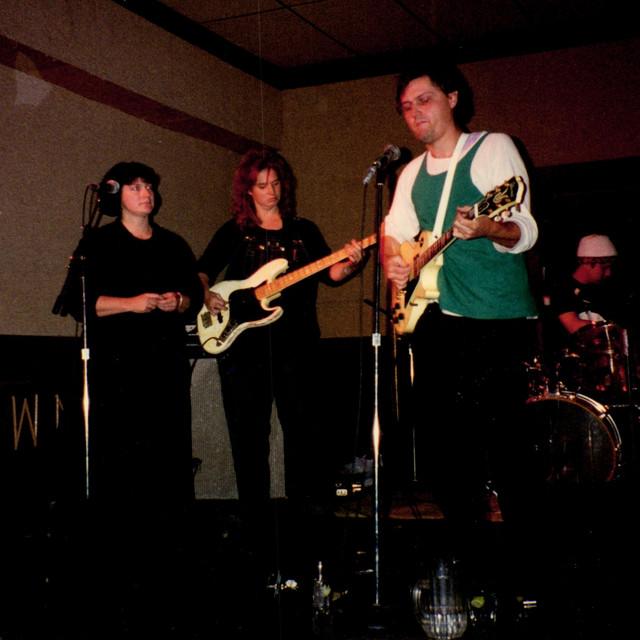
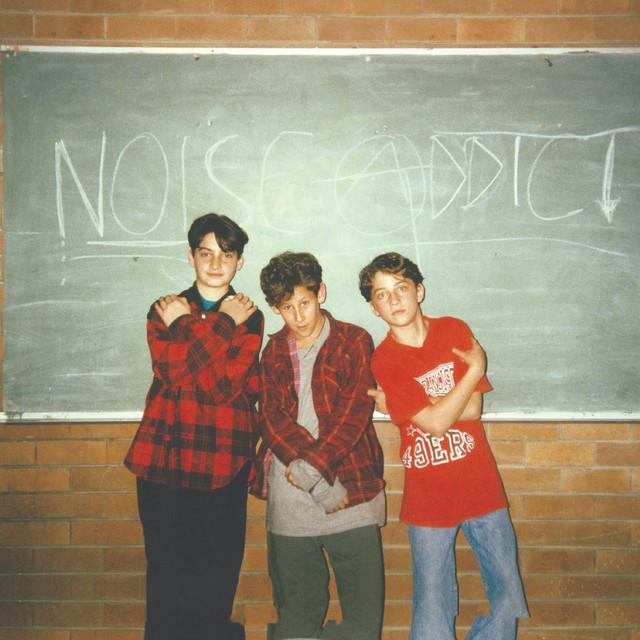
Noise Addict’s Spotify BioAustralian teen pop sensations Noise Addict formed in Bondi Beach in 1992; led by singer/songwriter Ben Lee -- all of 13 years old at the time of the band's formation -- the original lineup also included guitarist Doron Kalinko, bassist Daniel Mapp and drummer Saul Smith. After recording a demo, Noise Addict played their first live date; there they were discovered by promoter/Fellaheen Records honcho Steve Pavlovic, who passed along their tape to Sonic Youth's Thurston Moore, who in turn agreed to issue the demo on his own Ecstatic Peace label as 1993's DEF. Another EP, The Taste in My Eyes, followed later that year before Lee's song "I Wish I Was Him" -- a biting satire on the Lemonheads' Evan Dando -- caught the attention of the Beastie Boys' Mike D., who immediately signed Noise Addict to his Grand Royal imprint to release 1994's Young and Jaded. A year later Lee issued his solo debut Grandpaw Would, but despite the exit of Kalinko (replaced by guitarist Romy Hoffman), Noise Addict… soldiered on to release their first full-length effort, Meet the Real You, later in 1995. The group disbanded soon after touring in support of Sebadoh, with Lee continuing on as a solo act to release 1997's Something to Remember Me By. ~ Jason Ankeny, Rovi
Viberate is a music analytics platform built for A&Rs, artist managers, labels, booking agents, marketers, and artists.
It helps music professionals track artist growth, analyze audience data, monitor playlist activity, compare artists, follow song performance, and identify opportunities across the music market.
Public artist pages provide a free preview of selected artist data. Paid plans provide access to deeper analytics, historical data, charts, comparisons, playlist tools, exports, alerts, reports, and additional professional features.
Yes. Public Viberate artist pages provide selected artist analytics and music data for free.
Viberate also offers a 7-day free trial of the full platform. A credit card is required to start the trial. The trial includes access to the complete product so users can test deeper artist analytics, historical views, playlist insights, comparisons, charts, exports, alerts, and reporting features before choosing a paid plan.
Viberate provides artist analytics across streaming, playlists, social media, video, radio airplay, songs, and audience markets.
Users can analyze Spotify performance, Spotify and Apple Music playlists, YouTube activity, TikTok and Instagram growth, radio spins, song performance, audience locations, demographics, rankings, and overall artist momentum.
Artist profiles also connect to music charts, similar artists, and comparison tools, helping users benchmark performance and evaluate artists in context.
Viberate updates key artist and track data daily.
For followed artists and tracks, selected data is refreshed multiple times per day. This helps teams monitor playlist changes, streaming movement, audience growth, releases, and campaign performance with more current data.
Update frequency can vary depending on the metric and data source.
Yes. Viberate lets users compare up to five artists side by side across streaming, social media, audience, and engagement metrics.
Users can compare fanbase growth, audience demographics, locations, Spotify performance, social metrics, and other artist data over selected time periods.
Artist comparison can be used for A&R scouting, benchmarking, booking decisions, campaign planning, and evaluating artists with similar audiences or market positions.