Noam Pikelny

Country
Bluegrass
 Viberate Rank: 129303
 Viberate Rank: 129303
 Monthly ListenersFollowers
 Subscribers
 Followers
 Followers
 FansTop Spotify Songs
| Track | 7-Day Streams | |
|---|---|---|
1 | 3.50K | |
2 | 2.82K | |
3 | 1.90K | |
4 | 1.25K | |
5 | 903 |
Top YouTube VideosMonthly ListenersFeatured in Playlists| Playlist | Followers | |
|---|---|---|
1 |  Instrumental Bluegrass Spotify | 64.56K |
2 |  Music for writing, study, flow and focus. Zoe Foster Blake | 35.20K |
3 |  Bertha's Breakfast Songs BriannaMadia | 23.87K |
4 | WAVR.AI | 18.83K |
5 | bluegrass radio Matt Gallik | 16.23K |
Audience| City | Monthly Listeners | |
|---|---|---|
1 | | 332 |
2 | | 315 |
3 | | 313 |
4 | | 291 |
5 | | 273 |
See full performance history, audience data, playlist activity, rankings, comparisons, and more in Viberate music analytics. Start with a free trial, then continue with a paid plan.
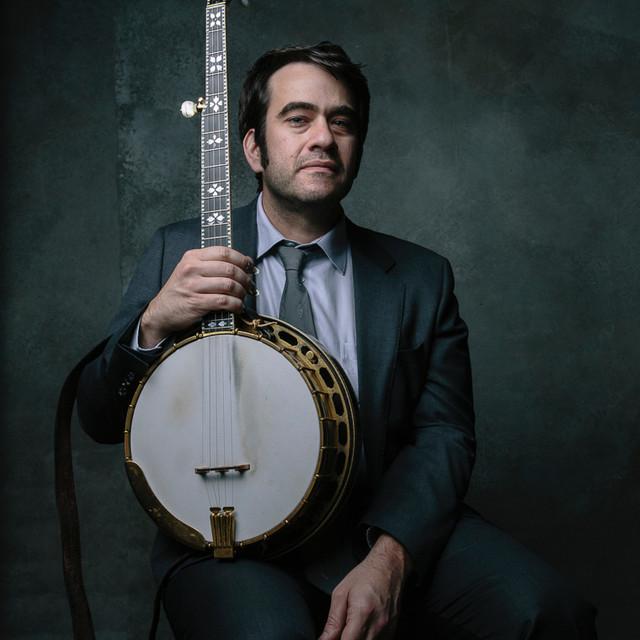
Noam Pikelny’s Spotify BioA virtuoso five-string banjo player, Noam Pikelny was born February 27, 1981 in Chicago, Illinois. His childhood, he has said lightheartedly, was split between the Chicago Cubs' Wrigley Field and the Old Town School of Folk Music. He was already playing in traditional bluegrass bands while he was in high school, and went on to study music at the University of Illinois, Champaign-Urbana, after which he moved to Boulder, Colorado. He joined the Colorado ensemble Leftover Salmon in 2002 (he remained with the band until 2004), and two years later he issued his first solo album, In the Maze, on Compass Records. Pikelny relocated to Nashville in 2006 and began playing with New Grass Revival bassist and singer John Cowan. He also started playing with mandolinist Chris Thile that same year in the progressive chamber bluegrass band Punch Brothers. His second solo album, Beat the Devil & Carry a Rail, appeared from Compass Records in 2011, and earned a nomination for Best Bluegrass Album at the… 2013 Grammy Awards. He earned a second nomination in 2015 for his chart-topping 2013 release Noam Pikelny Plays Kenny Baker Plays Bill Monroe. In 2017 he released his fourth LP and first proper solo outing (as in no accompaniment), Universal Favorite. ~ Steve Leggett, Rovi
Viberate is a music analytics platform built for A&Rs, artist managers, labels, booking agents, marketers, and artists.
It helps music professionals track artist growth, analyze audience data, monitor playlist activity, compare artists, follow song performance, and identify opportunities across the music market.
Public artist pages provide a free preview of selected artist data. Paid plans provide access to deeper analytics, historical data, charts, comparisons, playlist tools, exports, alerts, reports, and additional professional features.
Yes. Public Viberate artist pages provide selected artist analytics and music data for free.
Viberate also offers a 7-day free trial of the full platform. A credit card is required to start the trial. The trial includes access to the complete product so users can test deeper artist analytics, historical views, playlist insights, comparisons, charts, exports, alerts, and reporting features before choosing a paid plan.
Viberate provides artist analytics across streaming, playlists, social media, video, radio airplay, songs, and audience markets.
Users can analyze Spotify performance, Spotify and Apple Music playlists, YouTube activity, TikTok and Instagram growth, radio spins, song performance, audience locations, demographics, rankings, and overall artist momentum.
Artist profiles also connect to music charts, similar artists, and comparison tools, helping users benchmark performance and evaluate artists in context.
Viberate updates key artist and track data daily.
For followed artists and tracks, selected data is refreshed multiple times per day. This helps teams monitor playlist changes, streaming movement, audience growth, releases, and campaign performance with more current data.
Update frequency can vary depending on the metric and data source.
Yes. Viberate lets users compare up to five artists side by side across streaming, social media, audience, and engagement metrics.
Users can compare fanbase growth, audience demographics, locations, Spotify performance, social metrics, and other artist data over selected time periods.
Artist comparison can be used for A&R scouting, benchmarking, booking decisions, campaign planning, and evaluating artists with similar audiences or market positions.