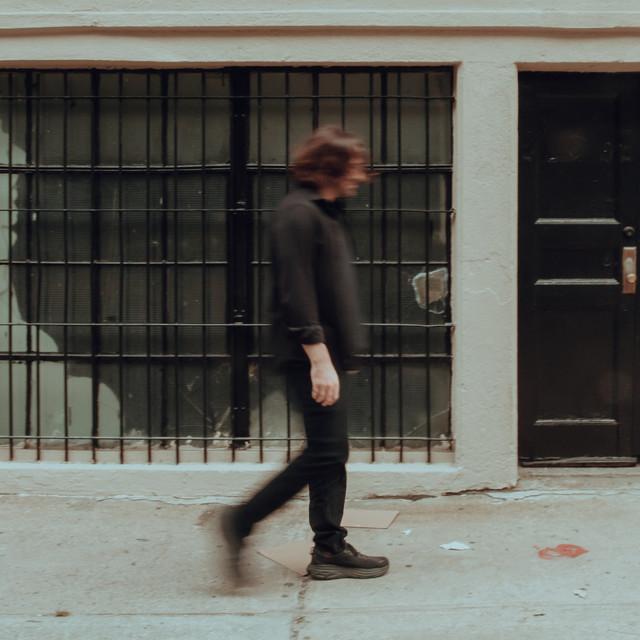
Noah Preminger

Jazz
Free Jazz
Jazz Fusion
 Viberate Rank: 315741
 Viberate Rank: 315741
 Monthly ListenersFollowers
 Subscribers
 Followers
 Followers
 FansTop Spotify Songs
| Track | 7-Day Streams | |
|---|---|---|
1 | 334 | |
2 | 332 | |
3 | 65 | |
4 | 53 | |
5 | 50 |
Top YouTube Videos| Video | 7-Day Views | |
|---|---|---|
1 | 33 | |
2 | 17 | |
3 | 16 | |
4 | 14 | |
5 | 12 |
Monthly ListenersFeatured in Playlists| Playlist | Followers | |
|---|---|---|
1 |  Nu-jazz Guadalí Alves Arregui | 21.18K |
2 |  RADIO SWISS JAZZ johannesreimer | 5.41K |
3 |  Jazz, Jazztronica play2feel | 2.30K |
4 |  Coffeehouse Jazz Chill Palm | 2.24K |
5 |  Jazz Revolution • Side Series Futura Modulans | 2.22K |
Audience| City | Monthly Listeners | |
|---|---|---|
1 | | 34 |
2 | | 24 |
3 | | 22 |
4 |  | 21 |
5 |  | 20 |
See full performance history, audience data, playlist activity, rankings, comparisons, and more in Viberate music analytics. Start with a free trial, then continue with a paid plan.
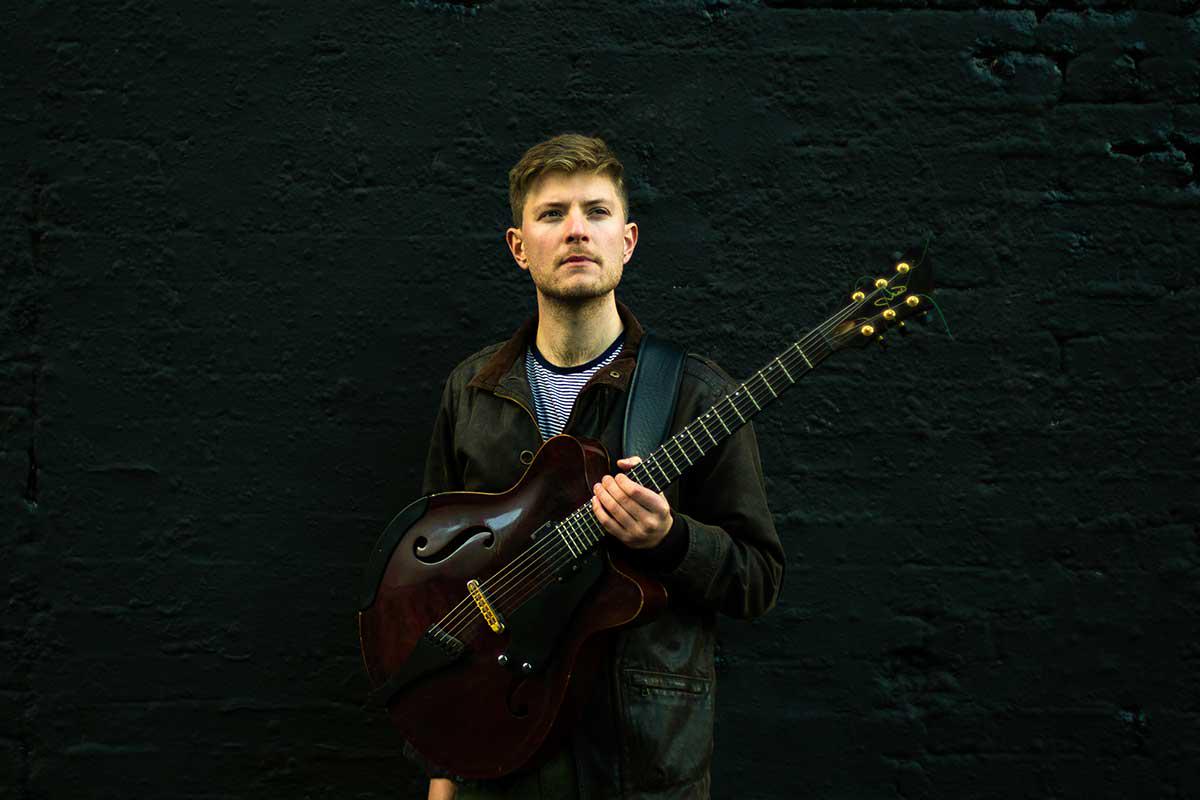
Noah Preminger’s Spotify BioTenor saxophonist Noah Preminger is a daring post-bop improviser known for his warm, vocal-like tone and immense control. The Connecticut native first garnered attention on the East Coast releasing a string of small group albums, including 2008's Dry Bridge Road, 2011's Before the Rain, and 2014's Background Music. He has also co-led a group with trumpeter Jason Palmer, mixing Delta blues and jazz, as on Dark Was the Night, Cold Was the Ground and the politically conscious Meditations on Freedom. He also interpreted music by Chopin and Hildegard von Bingen with drummer Rob Garcia, and explored electronics on Zigsaw: Music of Steve Lampert. While his influences run far afield of jazz, his dedication to deeply thoughtful and organic acoustic improvisation remains a vital aspect of his musical personality, as on 2025's Ballads and Dark Days.
Born in 1986, Preminger grew up in Canton, Connecticut, and started playing sax at a young age. As a kid, he was exposed to jazz by his parents' Leste…r Young and John Coltrane records, but also by the Beatles, Leonard Cohen, and others. He attended Hall High School in West Hartford and was able to take private lessons with saxophonist Dave Liebman. He then studied at the New England Conservatory of Music before moving to New York City. There he played with veterans like Cecil McBee and John McNeil, and as a member of drummer Rob Garcia's band. As a leader, he debuted in 2008 with Dry Bridge Road, a sextet session with guitarist Ben Monder, pianist Frank Kimbrough, trumpeter Russ Johnson, bassist John Hébert, and drummer Ted Poor.
Two more albums followed on Palmetto, including Before the Rain with Kimbrough, Hébert, and drummer Matt Wilson. In 2014, he released Background Music, featuring a trio with Masa Kamaguchi and drummer Rob Garcia. He has also played with an array of artists including Billy Hart, Dave Holland, Fred Hersch, Dave Douglas, Roscoe Mitchell, and Eddie Henderson, just to name a few.
Working with fellow New England Conservatory alum trumpeter Jason Palmer, Preminger developed an interest in melding Mississippi Delta Blues with exploratory jazz, a passion that informed both 2015's Pivot: Live at 55 Bar and 2016's Dark Was the Night, Cold Was the Ground. Those albums featured their group with bassist Kim Cass and drummer Ian Froman, and found them exploring songs by blues icons like Bukka White, Blind Willie Johnson, Skip James, and others. The same group turned their attention to politics and concerns for American democracy with 2017's Meditations on Freedom. They also released 2018's Genuinity and 2019's Afterlife, the latter of which featured guest poet Ruth Lepson and found them joined by drummer Rudy Royston.
During the same period, he again paired with drummer Rob Garcia for 2018's The Chopin Project, the first in their ongoing Dead Composers Club series, billing themselves eponymously. The following year, he delivered Zigsaw: Music of Steve Lampert, an album that found him expanding his style with electronics. Also in 2019, he released Preminger Plays Preminger, interpreting music director Otto Preminger's films. He returned to small group work with 2020's Contemptment, followed by two duo recordings with bassist Kim Cass, THUNDA and The Dank. The bassist was also on board Preminger's 2022 trio date Sky Continuous, with drummer Bill Stewart.
Preminger reunited with Garcia for a second Dead Composers Club effort, 2024's Hildegard Project, playing the music of 11th century composer Hildegard von Bingen. In 2025, he delivered Ballads with pianist Julian Shore, bassist Kim Cass, and drummer Allan Mednard. Another quartet date, Dark Days, arrived the same year with guitarist Ely Perlman, bassist Cass, and drummer Terreon Gully. ~ Matt Collar, Rovi
Viberate is a music analytics platform built for A&Rs, artist managers, labels, booking agents, marketers, and artists.
It helps music professionals track artist growth, analyze audience data, monitor playlist activity, compare artists, follow song performance, and identify opportunities across the music market.
Public artist pages provide a free preview of selected artist data. Paid plans provide access to deeper analytics, historical data, charts, comparisons, playlist tools, exports, alerts, reports, and additional professional features.
Yes. Public Viberate artist pages provide selected artist analytics and music data for free.
Viberate also offers a 7-day free trial of the full platform. A credit card is required to start the trial. The trial includes access to the complete product so users can test deeper artist analytics, historical views, playlist insights, comparisons, charts, exports, alerts, and reporting features before choosing a paid plan.
Viberate provides artist analytics across streaming, playlists, social media, video, radio airplay, songs, and audience markets.
Users can analyze Spotify performance, Spotify and Apple Music playlists, YouTube activity, TikTok and Instagram growth, radio spins, song performance, audience locations, demographics, rankings, and overall artist momentum.
Artist profiles also connect to music charts, similar artists, and comparison tools, helping users benchmark performance and evaluate artists in context.
Viberate updates key artist and track data daily.
For followed artists and tracks, selected data is refreshed multiple times per day. This helps teams monitor playlist changes, streaming movement, audience growth, releases, and campaign performance with more current data.
Update frequency can vary depending on the metric and data source.
Yes. Viberate lets users compare up to five artists side by side across streaming, social media, audience, and engagement metrics.
Users can compare fanbase growth, audience demographics, locations, Spotify performance, social metrics, and other artist data over selected time periods.
Artist comparison can be used for A&R scouting, benchmarking, booking decisions, campaign planning, and evaluating artists with similar audiences or market positions.