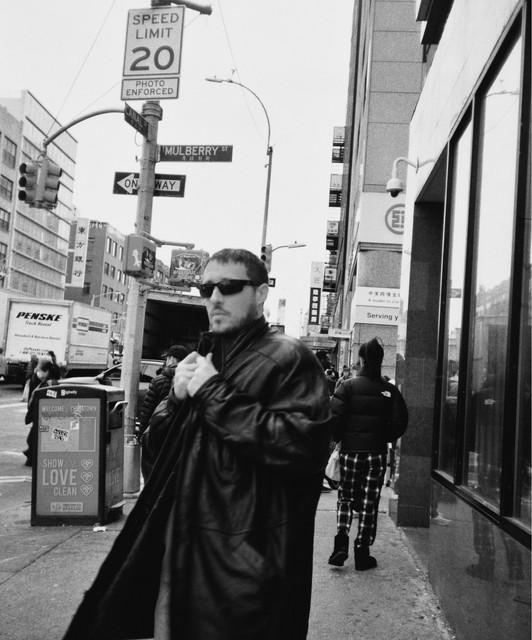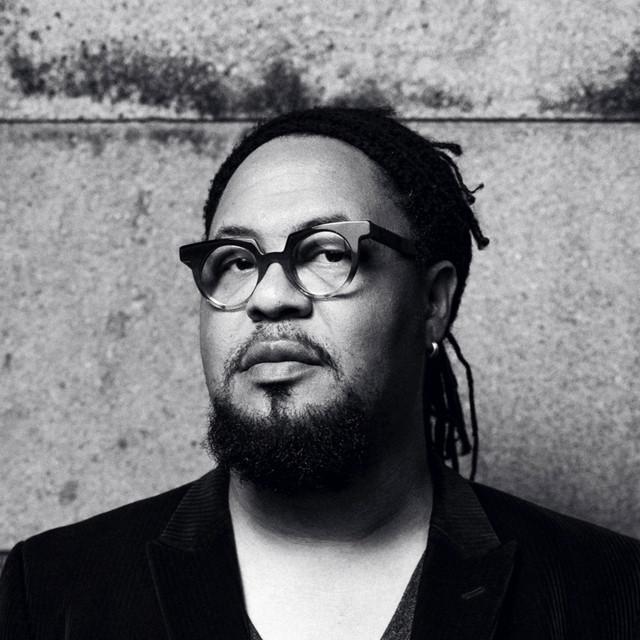
Dayna Stephens

Jazz
Smooth Jazz
Free Jazz
 Viberate Rank: 272605
 Viberate Rank: 272605
 Monthly ListenersFollowers
 Subscribers
 Followers
 Followers
 FansTop YouTube Videos
| Video | 7-Day Views | |
|---|---|---|
1 | 4 |
Monthly ListenersFeatured in Playlists| Playlist | Followers | |
|---|---|---|
1 |  Fresh Finds Jazz Spotify | 247.59K |
2 | Cowboy Bebop Katy Stringer | 41.54K |
3 |  Dinner Table Jazz Symphonic | 32.59K |
4 |  Nu-jazz Guadalí Alves Arregui | 21.18K |
5 |  Jazz Radio Hits Top Radio Hits | 9.54K |
Audience| City | Monthly Listeners | |
|---|---|---|
1 | | 54 |
2 |  | 27 |
3 |  | 27 |
4 |  | 26 |
5 | | 26 |
See full performance history, audience data, playlist activity, rankings, comparisons, and more in Viberate music analytics. Start with a free trial, then continue with a paid plan.
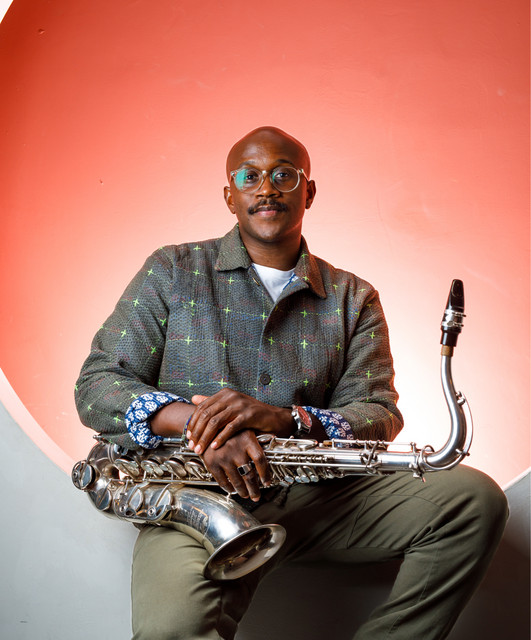
Dayna Stephens’ Spotify BioTenor saxophonist and composer Dayna Stephens is an adept post-bop musician whose harmonically rich, sonically textural style reflects the influence of players like Wayne Shorter, Joe Henderson, and Charlie Rouse. Following his emergence in the early 2000s, he has played with a bevy of heavy-hitting jazz artists, including Phil Ranelin, Ambrose Akinmusire, Kenny Barron, and others. He's released a number of highly engaging small-group albums, including 2013's That Nepenthetic Place, 2017's Gratitude with Brad Mehldau, and 2020's Right Now! Live at the Village Vanguard, the latter featuring Stephens' quartet with Aaron Parks, Ben Street, and Gregory Hutchinson. He featured the same group on 2025's Hopium.
Born in 1978, Stephens grew up in the San Francisco Bay Area, where he started playing saxophone at age 12. In his teens, he studied with saxophonist Dann Zinn and pianist Kenny Barron while participating in various jazz programs at U.C. Berkley, the Stanford Jazz Workshop, and… Oakland's Golden Gate Library. He was also a member of the Berkeley High School big band and played some of his first professional gigs with local Bay Area luminaries like pianist Ed Kelly and trumpeter Khalil Shaheed. After high school, Stephens attended the Berklee School of Music on a full scholarship and eventually finished his studies at the prestigious Thelonious Monk Institute of Jazz. He has performed and recorded with such artists as Phil Ranelin, Taylor Eigsti, Sachal Vasandani, Gerald Clayton, and Gretchen Parlato, among others.
As a leader, he debuted in 2007 with The Timeless Now, followed by 2012's Today Is Tomorrow. Around this time, Stephens revealed that he had been diagnosed with focal segmental glomerulosclerosis (FSG), a disease that attacks the kidneys and requires regular dialysis treatments and, in Stephens' case, a kidney transplant. Despite his struggles with FSG, he continued to perform and record, releasing two albums in 2013, That Nepenthetic Place and I'll Take My Chances. A year later he delivered Peace, featuring guitarist Julian Lage, pianist Brad Mehldau, bassist Larry Grenadier, and drummer Eric Harland. He then joined fellow saxophonist Walter Smith III for 2015's sextet date Reminiscent, and in 2017 reunited with Mehldau, Grenadier, and Harland for Gratitude. Also that year, he collaborated with drummer Matt Smith and trumpeter Curtis Taylor on I. Am. Calm.
A concert album, Right Now! Live at the Village Vanguard, arrived in 2020 and showcased Stephens' quartet with pianist Aaron Parks, bassist Ben Street, and drummer Gregory Hutchinson. Both Street and Harland were also on board that same year for Stephens' trio album Liberty. He then joined forces with guitarist Emmanuel Michael, bassist Kanoa Mendenhall, and drummer Jongkuk Kim for 2024's Closer Than We Think, which also featured a guest appearance by trumpeter Jeremy Pelt. Hopium arrived in 2025 and found Stephens back with Parks, Street, and Hutchinson. ~ Matt Collar, Rovi
Viberate is a music analytics platform built for A&Rs, artist managers, labels, booking agents, marketers, and artists.
It helps music professionals track artist growth, analyze audience data, monitor playlist activity, compare artists, follow song performance, and identify opportunities across the music market.
Public artist pages provide a free preview of selected artist data. Paid plans provide access to deeper analytics, historical data, charts, comparisons, playlist tools, exports, alerts, reports, and additional professional features.
Yes. Public Viberate artist pages provide selected artist analytics and music data for free.
Viberate also offers a 7-day free trial of the full platform. A credit card is required to start the trial. The trial includes access to the complete product so users can test deeper artist analytics, historical views, playlist insights, comparisons, charts, exports, alerts, and reporting features before choosing a paid plan.
Viberate provides artist analytics across streaming, playlists, social media, video, radio airplay, songs, and audience markets.
Users can analyze Spotify performance, Spotify and Apple Music playlists, YouTube activity, TikTok and Instagram growth, radio spins, song performance, audience locations, demographics, rankings, and overall artist momentum.
Artist profiles also connect to music charts, similar artists, and comparison tools, helping users benchmark performance and evaluate artists in context.
Viberate updates key artist and track data daily.
For followed artists and tracks, selected data is refreshed multiple times per day. This helps teams monitor playlist changes, streaming movement, audience growth, releases, and campaign performance with more current data.
Update frequency can vary depending on the metric and data source.
Yes. Viberate lets users compare up to five artists side by side across streaming, social media, audience, and engagement metrics.
Users can compare fanbase growth, audience demographics, locations, Spotify performance, social metrics, and other artist data over selected time periods.
Artist comparison can be used for A&R scouting, benchmarking, booking decisions, campaign planning, and evaluating artists with similar audiences or market positions.