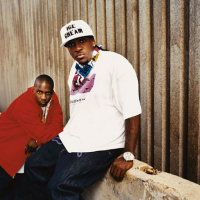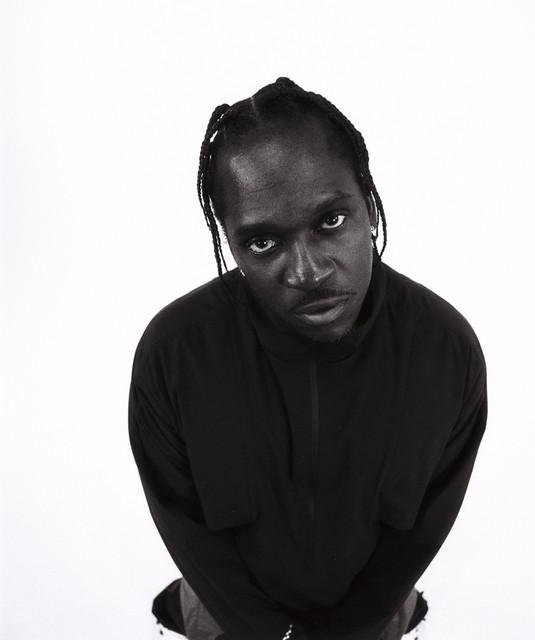
No Malice

Hip Hop
Contemporary Hip Hop
Alternative Hip Hop
 Viberate Rank: 37147
 Viberate Rank: 37147
 Monthly ListenersFollowers
 Subscribers
 Followers
 Followers
 FansTop Spotify Songs
| Track | 7-Day Streams | |
|---|---|---|
1 | 221.15K | |
2 | 167.05K | |
3 | 140.93K | |
4 | 89.95K | |
5 | 86.15K |
Top YouTube VideosMonthly ListenersFeatured in Playlists| Playlist | Followers | |
|---|---|---|
1 |  Beast Mode Spotify | 11.06M |
2 |  Beast Mode Hip-Hop Spotify | 2.89M |
3 |  Rap Workout Spotify | 2.63M |
4 |  Hip-Hop Controller Spotify | 1.68M |
5 |  Jazz Rap Spotify | 1.60M |
Audience| City | Monthly Listeners | |
|---|---|---|
1 | | 28.18K |
2 | | 23.72K |
3 | | 22.65K |
4 |  | 20.87K |
5 |  | 16.53K |
See full performance history, audience data, playlist activity, rankings, comparisons, and more in Viberate music analytics. Start with a free trial, then continue with a paid plan.
No Malice’s Spotify BioNo Malice began his career as part of the hip-hop duo Clipse in the '90s before embarking on solo endeavors. Born Gene Elliott Thornton, Jr. in the New York borough the Bronx, he and his family later moved south to Virginia Beach. After graduating from high school, he joined the army, hoping to secure a stable career and the opportunity to study and learn a trade. Having opted for the shortest enlistment period available, he left the army in 1994 and returned to Virginia where he formed Clipse with his younger brother Terrance.
After assuming the stage names Malice and Pusha T, the brothers met fellow Virginia Beach resident Pharrell Williams. Williams was one-half of the production duo the Neptunes, who would produce Clipse's first record, Exclusive Audio Footage, and he also helped them secure a record deal with Elektra. However, their debut didn't perform well commercially, and Elektra freed them from their contract shortly after the record's release in 1999.
The duo's fortunes… shifted after Williams signed them to his own Star Trak Entertainment label and they put out their follow-up, 2002's Lord Willin', which went on to achieve gold status. The mix of their unflinching lyricism, which often focused on drug dealing, and the stripped-down beats of celebrated production team the Neptunes ensured their continued success. Both 2006's Hell Hath No Fury and 2009's Til the Casket Drops both performed well, but in 2010 Thornton announced he and his brother would be releasing solo albums. Instead of a record, the first work to appear from Thornton was the 2011 memoir Wretched, Pitiful, Poor, Blind & Naked, which also documented his conversion to Christianity. The following year he changed his stage name to No Malice, explaining that he thought his original nom de plume had negative connotations.
2013 saw the release of Thornton's debut solo record. Hear Ye Him left behind the drug tales of yore in favor of a more positive message inspired by his spiritual transition. Despite continued speculation over a Clipse reunion, both brothers remained committed to different thematic directions. After a sustained break from recording, Thornton returned in 2017 with his sophomore solo record. Let the Dead Bury the Dead was preceded by the socially conscious lead singles "So Woke" and "Fake News." The latter was accompanied by a powerful video that depicted the rapper at the scene of a shooting and later walking in a forest of hanging bodies. ~ Bekki Bemrose, Rovi
Viberate is a music analytics platform built for A&Rs, artist managers, labels, booking agents, marketers, and artists.
It helps music professionals track artist growth, analyze audience data, monitor playlist activity, compare artists, follow song performance, and identify opportunities across the music market.
Public artist pages provide a free preview of selected artist data. Paid plans provide access to deeper analytics, historical data, charts, comparisons, playlist tools, exports, alerts, reports, and additional professional features.
Yes. Public Viberate artist pages provide selected artist analytics and music data for free.
Viberate also offers a 7-day free trial of the full platform. A credit card is required to start the trial. The trial includes access to the complete product so users can test deeper artist analytics, historical views, playlist insights, comparisons, charts, exports, alerts, and reporting features before choosing a paid plan.
Viberate provides artist analytics across streaming, playlists, social media, video, radio airplay, songs, and audience markets.
Users can analyze Spotify performance, Spotify and Apple Music playlists, YouTube activity, TikTok and Instagram growth, radio spins, song performance, audience locations, demographics, rankings, and overall artist momentum.
Artist profiles also connect to music charts, similar artists, and comparison tools, helping users benchmark performance and evaluate artists in context.
Viberate updates key artist and track data daily.
For followed artists and tracks, selected data is refreshed multiple times per day. This helps teams monitor playlist changes, streaming movement, audience growth, releases, and campaign performance with more current data.
Update frequency can vary depending on the metric and data source.
Yes. Viberate lets users compare up to five artists side by side across streaming, social media, audience, and engagement metrics.
Users can compare fanbase growth, audience demographics, locations, Spotify performance, social metrics, and other artist data over selected time periods.
Artist comparison can be used for A&R scouting, benchmarking, booking decisions, campaign planning, and evaluating artists with similar audiences or market positions.