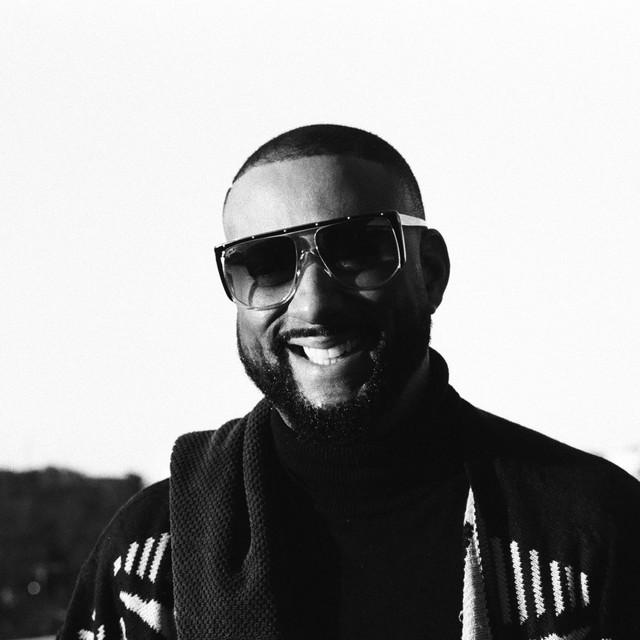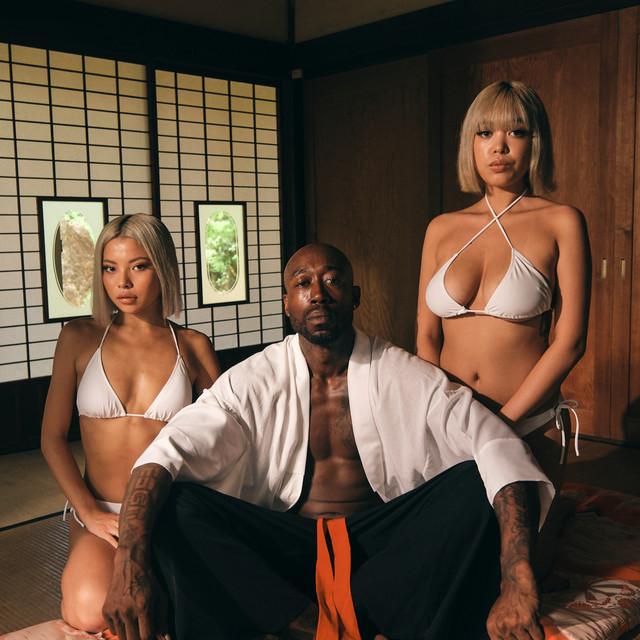
Freddie Gibbs

Hip Hop
Contemporary Hip Hop
Alternative Hip Hop
 Viberate Rank: 4013
 Viberate Rank: 4013
 Monthly ListenersFollowers
 Subscribers
 Followers
 Followers
 FansTop Spotify Songs
| Track | 7-Day Streams | |
|---|---|---|
1 | 461.20K | |
2 | 269.65K | |
3 | 192.61K | |
4 | 179.50K | |
5 | 171.73K |
Top YouTube Videos| Video | 7-Day Views | |
|---|---|---|
1 | 49.11K | |
2 | 23.93K | |
3 | 20.89K | |
4 | 19.73K | |
5 | 14.38K |
Monthly ListenersFeatured in Playlists| Playlist | Followers | |
|---|---|---|
1 |  Chilled R&B Spotify | 2.36M |
2 |  Jazz Rap Spotify | 1.60M |
3 |  Spilled Ink Spotify | 1.55M |
4 |  Mellow Bars Spotify | 1.40M |
5 |  Alternative Hip-Hop Spotify | 970.27K |
Audience| City | Monthly Listeners | |
|---|---|---|
1 | | 84.37K |
2 |  | 80.88K |
3 | | 66.80K |
4 | | 66.03K |
5 |  | 62.05K |
See full performance history, audience data, playlist activity, rankings, comparisons, and more in Viberate music analytics. Start with a free trial, then continue with a paid plan.
Freddie Gibbs’ Spotify BioPraised for his technical proficiency as well as his provocative lyrics, rapper Freddie Gibbs has won over fans of gangsta rap as well as underground hip-hop. He's equally at home rhyming over booming breakbeats or trap beats, and has collaborated with a diverse array of rappers and producers including Young Thug, Jeezy, DJ Drama, and Statik Selektah. He made a name for himself with a series of self-released mixtapes throughout the 2000s and early 2010s. Following his first properly distributed release, the Str8 Killa EP (2010), he began releasing proper studio albums, including the well-received Madlib collaboration Piñata (2014), Shadow of a Doubt (2015), and You Only Live 2wice (2017). After he issued the commercial mixtape Freddie (2018), he reunited with Madlib for Bandana (2019), and with the Alchemist cooked up Alfredo (2020). The latter became his first LP to crack the Top 20 of the Billboard 200 and subsequently earned a Grammy Award nomination. The feature-heavy $oul $old… $eparately arrived in 2022, and the more low-key You Only Die 1nce appeared in 2024.
In 2004, rapper Gibbs set out to be the Midwest's unofficial street poet, releasing a series of mixtapes that were as complex as they were gritty. Influenced by the likes of 2Pac, Biggie, UGK, and Bone Thugs-N-Harmony, Gibbs filled his lyrics with honest and compelling stories of his hometown's demise, a steady decline which he helped contribute to as a drug dealer. He dealt out of a Gary, Indiana recording studio, absorbing a steady stream of uninspired rhymes while pushing product. Figuring he could do better Gibbs began writing his own lyrics and cut some demos that would eventually land in the hands of Interscope. When the label signed Gibbs in 2006, he moved to Los Angeles and recorded a debut album, but a year later the management of Interscope changed hands and the rapper was dropped. He returned to Gary, and then moved to Atlanta until producer Josh the Goon convinced Gibbs to give L.A. another try.
In early 2009 he released the Miseducation of Freddie Gibbs mixtape/compilation to critical and message board acclaim. The Midwestgangstaboxframecadillacmuzik mixtape soon followed, as did a feature in The New Yorker that found writer Sasha Frere-Jones declaring Gibbs "the one rapper I would put money on right now." Late in the year he released the 81-song mixtape The Labels Tryin' to Kill Me. As the mixtape's title inferred, Gibbs had, like Jay Electronica, become a 21st century Internet-age hip-hop star, able to draw press and earn a loyal following via downloads and mixtapes instead of the usual industry channels. He finished 2009 proudly unsigned but in 2010 he made a rare aboveground appearance with the Str8 Killa EP, released on the Decon label.
After signing to Jeezy's Corporate Thugz imprint in 2011, Gibbs released an EP titled Lord Giveth, Lord Taketh Away (with Statik Selektah), followed by mixtape Cold Day in Hell. Baby Face Killa followed in 2012, but by the end of the year, Gibbs announced that he was no longer signed to Corporate Thugz. His proper debut album, ESGN, appeared on his label of the same name in 2013. The following year, Gibbs released two collaborative efforts: Piñata with Madlib, an album on the underground producer's Madlib Invazion label, and The Tonite Show with DJ Fresh, an entry in the West Coast producer's collaborative series. Gucci Mane, E-40, and Tory Lanez landed on 2015's Shadow of a Doubt.
In early 2017 Gibbs released "Crushed Glass," the first single from his third full-length LP, You Only Live 2wice, which dropped later that March. Freddie, a commercial mixtape with cover art paying homage to Teddy Pendergrass' album Teddy, appeared in 2018. Gibbs and Madlib then returned as a duo with Bandana. Issued via major-label RCA, the June 2019 release entered the Billboard 200 at number 21. The following May, Gibbs and the Alchemist teamed up for Alfredo, a number 15 hit with assists from Benny the Butcher and Conway the Machine, as well as Rick Ross and Tyler, The Creator. Later in 2020, he landed a streaming hit with the Big Sean- and Hit-Boy-assisted "4-Thangs," then kicked off 2021 with "Gang Signs" featuring ScHoolboy Q followed by "Big Boss Rabbit." Gibbs executive produced and starred in the drama film Down with the King. Near the end of the year, Alfredo received a Grammy Award nomination for Best Rap Album.
Gibbs issued several singles leading up to the release of his long-promised $oul $old $eparately full-length. "Gang Signs" (featuring ScHoolboy Q), "Big Boss Rabbit," and "Black Illuminati" (featuring Jadakiss) all appeared in 2021. "Ice Cream" (featuring Rick Ross) and "Too Much" (featuring Moneybagg Yo) followed in 2022. $oul $old $eparately, Gibbs' first album for Warner, arrived in September of 2022, with guests and producers including Pusha T, Kelly Price, Anderson .Paak, and James Blake. The set became Gibbs' highest-charting effort to date, debuting at number 11 on the Billboard 200. You Only Die 1nce, a feature-free album co-released by AWAL, appeared with minimal announcement in 2024. ~ David Jeffries & Andy Kellman, Rovi
Viberate is a music analytics platform built for A&Rs, artist managers, labels, booking agents, marketers, and artists.
It helps music professionals track artist growth, analyze audience data, monitor playlist activity, compare artists, follow song performance, and identify opportunities across the music market.
Public artist pages provide a free preview of selected artist data. Paid plans provide access to deeper analytics, historical data, charts, comparisons, playlist tools, exports, alerts, reports, and additional professional features.
Yes. Public Viberate artist pages provide selected artist analytics and music data for free.
Viberate also offers a 7-day free trial of the full platform. A credit card is required to start the trial. The trial includes access to the complete product so users can test deeper artist analytics, historical views, playlist insights, comparisons, charts, exports, alerts, and reporting features before choosing a paid plan.
Viberate provides artist analytics across streaming, playlists, social media, video, radio airplay, songs, and audience markets.
Users can analyze Spotify performance, Spotify and Apple Music playlists, YouTube activity, TikTok and Instagram growth, radio spins, song performance, audience locations, demographics, rankings, and overall artist momentum.
Artist profiles also connect to music charts, similar artists, and comparison tools, helping users benchmark performance and evaluate artists in context.
Viberate updates key artist and track data daily.
For followed artists and tracks, selected data is refreshed multiple times per day. This helps teams monitor playlist changes, streaming movement, audience growth, releases, and campaign performance with more current data.
Update frequency can vary depending on the metric and data source.
Yes. Viberate lets users compare up to five artists side by side across streaming, social media, audience, and engagement metrics.
Users can compare fanbase growth, audience demographics, locations, Spotify performance, social metrics, and other artist data over selected time periods.
Artist comparison can be used for A&R scouting, benchmarking, booking decisions, campaign planning, and evaluating artists with similar audiences or market positions.