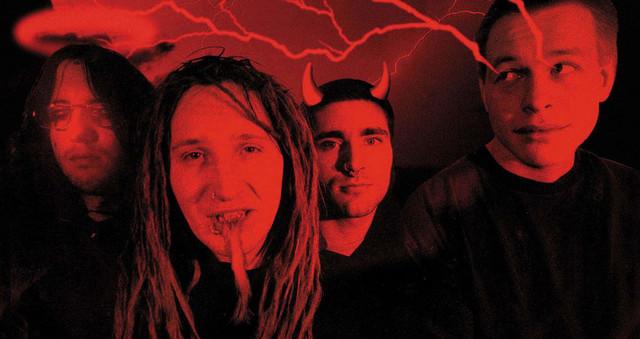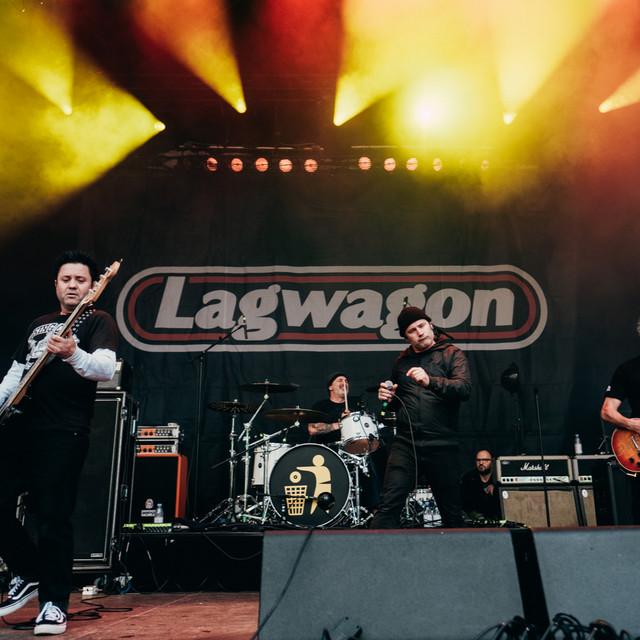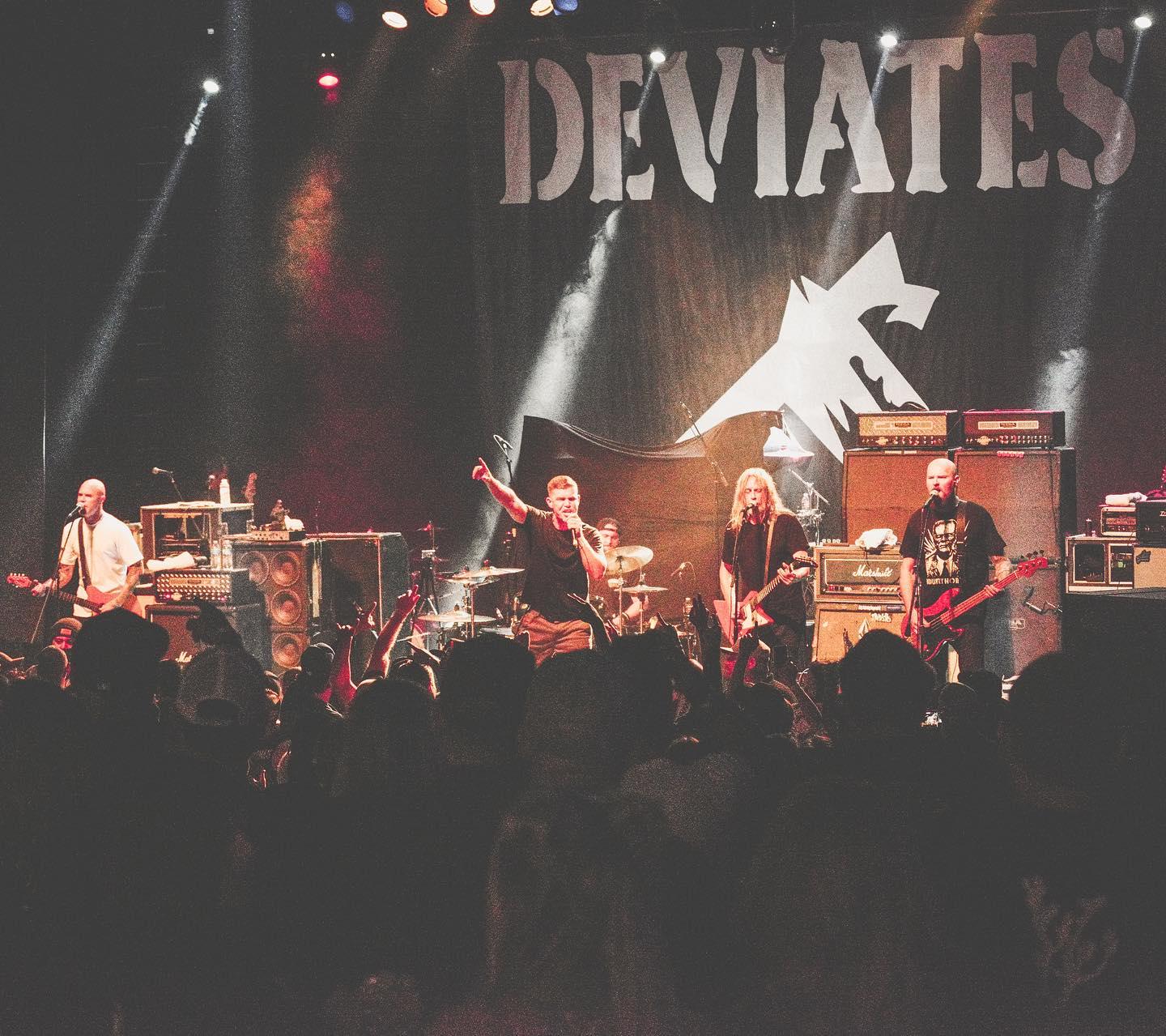
No Fun At All

Punk
Punk Rock
Skate Punk
 Viberate Rank: 76055
 Viberate Rank: 76055
 Monthly ListenersFollowers
 Subscribers
 Followers
 Followers
 FansTop Spotify Songs
| Track | 7-Day Streams | |
|---|---|---|
1 | 9.13K | |
2 | 8.52K | |
3 | 8.52K | |
4 | 6.95K | |
5 | 5.79K |
Top YouTube VideosMonthly ListenersFeatured in Playlists| Playlist | Followers | |
|---|---|---|
1 |  Punk Rock - by 23punk 23punk | 87.77K |
2 |  Punk-O-Rama 1-10 CptFuzzball | 23.21K |
3 |  Punk/Rock Ricki Castanieto | 18.39K |
4 | Nasty Mondays Official Playlist nastymondaysofficial | 14.37K |
5 | The ULTIMATE Skate Punk and Punk Rock Playlist Pizza with Film | 12.96K |
Audience| City | Monthly Listeners | |
|---|---|---|
1 |  | 2.38K |
2 |  | 1.96K |
3 |  | 1.85K |
4 |  | 1.59K |
5 | | 1.26K |
See full performance history, audience data, playlist activity, rankings, comparisons, and more in Viberate music analytics. Start with a free trial, then continue with a paid plan.
No Fun At All’s Spotify BioHaving formed in 1991, No Fun At All quickly became one of the torchbearers of European punk rock. Following the release of 1994's No Straight Angels, the band found themselves headlining stages all over the world. Through until 2001, they continued to tour all over the world in support of 1995's Out Of Bounds, 1997's The Big Knockover and 2000's State Of Flow records, before calling it a day on the band.
After a show offer in the Spring of 2004, the band found that enjoyment and love again for playing live that had been lost whilst relentlessly touring throughout the 90s. With rekindled enthusiasm, No Fun At All committed themselves to a light touring Schedule over the years between 2004 and 2017, including supporting the 2009 release, Lowrider, that the band self-released through Beat 'em Down Records.
2016 saw a lineup shuffle, with two long time members of the band deciding to take a step back. Following a band meeting in a Vienna restaurant, they decided that it was the time to step… it up once again. They recruited Stefan Bratt and Fredrik Eriksson, to fill the empty bassist and guitarist positions. With fresh enthusiasm, the new line up jumped straight into the rehearsal room to work on the new material for Grit. Alongside a number of shows and festivals throughout the summer and fall of 2017 the band put together the new 12 tracks and hit the studio with Mathias Farm from Millencolin as co-producer in his wonderful Soundlab Studio.
Viberate is a music analytics platform built for A&Rs, artist managers, labels, booking agents, marketers, and artists.
It helps music professionals track artist growth, analyze audience data, monitor playlist activity, compare artists, follow song performance, and identify opportunities across the music market.
Public artist pages provide a free preview of selected artist data. Paid plans provide access to deeper analytics, historical data, charts, comparisons, playlist tools, exports, alerts, reports, and additional professional features.
Yes. Public Viberate artist pages provide selected artist analytics and music data for free.
Viberate also offers a 7-day free trial of the full platform. A credit card is required to start the trial. The trial includes access to the complete product so users can test deeper artist analytics, historical views, playlist insights, comparisons, charts, exports, alerts, and reporting features before choosing a paid plan.
Viberate provides artist analytics across streaming, playlists, social media, video, radio airplay, songs, and audience markets.
Users can analyze Spotify performance, Spotify and Apple Music playlists, YouTube activity, TikTok and Instagram growth, radio spins, song performance, audience locations, demographics, rankings, and overall artist momentum.
Artist profiles also connect to music charts, similar artists, and comparison tools, helping users benchmark performance and evaluate artists in context.
Viberate updates key artist and track data daily.
For followed artists and tracks, selected data is refreshed multiple times per day. This helps teams monitor playlist changes, streaming movement, audience growth, releases, and campaign performance with more current data.
Update frequency can vary depending on the metric and data source.
Yes. Viberate lets users compare up to five artists side by side across streaming, social media, audience, and engagement metrics.
Users can compare fanbase growth, audience demographics, locations, Spotify performance, social metrics, and other artist data over selected time periods.
Artist comparison can be used for A&R scouting, benchmarking, booking decisions, campaign planning, and evaluating artists with similar audiences or market positions.