Nightmare

Metal
Heavy Metal
Power Metal
 Viberate Rank: 263144
 Viberate Rank: 263144
 Monthly ListenersFollowers
 Subscribers
 Followers
 Followers
 FansTop Spotify Songs
| Track | 7-Day Streams | |
|---|---|---|
1 | 272 | |
2 | 260 | |
3 | 167 | |
4 | 159 | |
5 | 132 |
Top YouTube Videos| Video | 7-Day Views | |
|---|---|---|
1 | 4 | |
2 | 3 | |
3 | 2 | |
4 | 2 | |
5 | 2 |
Monthly ListenersFeatured in Playlists| Playlist | Followers | |
|---|---|---|
1 |  Power Speed and Metal Chris Entonie | 38.53K |
2 |  NWOBHM Classics 🔥🔥 Abdurahman Muuse | 10.80K |
3 | Powermetal Espen Tennholm | 7.64K |
4 | Death Metal Mix 2025 Robin Hassel | 7.44K |
5 |  Wacken Open Air 2025 Wacken Open Air | 4.08K |
Audience| City | Monthly Listeners | |
|---|---|---|
1 |  | 49 |
2 |  | 47 |
3 |  | 40 |
4 | | 29 |
5 |  | 29 |
See full performance history, audience data, playlist activity, rankings, comparisons, and more in Viberate music analytics. Start with a free trial, then continue with a paid plan.
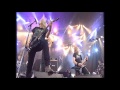
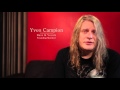
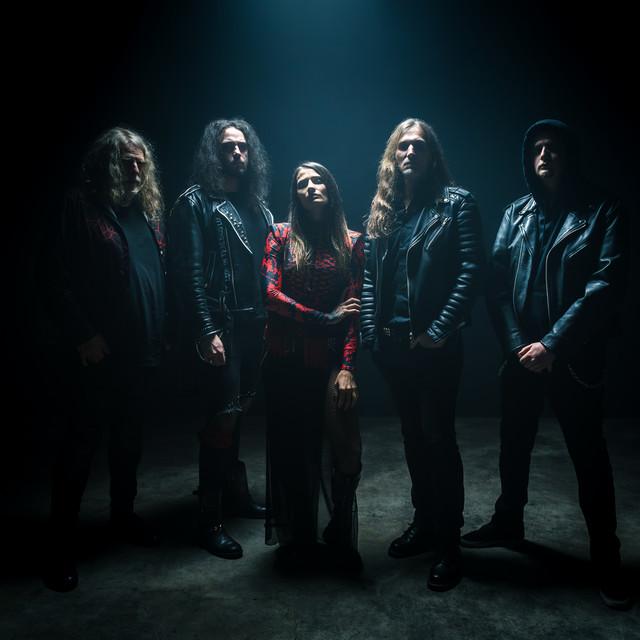
Nightmare’s Spotify BioNightmare is a veteran power metal band from France with a constantly evolving lineup. Originally formed during the late '70s as a trad metal act, they released Waiting for the Twilight and Power of the Universe before splitting in 1987. A new lineup with original bassist Yves Campion, guitarists Nicolas De Dominicis and Alex Hilbert, drummer David Amore, and vocalist Jo Amore released 2001's comeback, Cosmovision, and 2003's Silent Room. Guitarist Franck Milleliri replaced De Dominicis for 2007's Genetic Disorder. 2009's Insurrection included session guitarist J.C. Lefevre. 2012's The Burden of God and 2014's The Aftermath featured guitarist Matt Asselberghs. 2016's Dead Sun was recorded without either Amore; Maggy Luyten served as vocalist. She replaced Life of Agony singer Magie (Marianne Dien), and was replaced on tour with Barbara Mogore, who also fronted the band on several singles and 2024's Encrypted.
Originally formed in 1979 as a straight-up heavy metal act, France's… Nightmare would see their fortunes flag by 1987, and the band went on hiatus until re-forming in 1999 as a power metal band and remain one. Nightmare attracted their first real bit of attention after a storming opening support gig for then-chart-topping metallers Def Leppard in Grenoble. The show caught the attention of Ebony Records, who quickly signed guitarist Jean Strippoli, guitarist Nicolas De Dominicis, bassist Yves Campion, and drummer Jo Amore to a deal. Their debut, Waiting for the Twilight, was released in 1984, and was followed by the acquisition of vocalist Jean-Marie Boix, who replaced outgoing singer Christophe Hupert. Power of the Universe, Nightmare's sophomore full-length effort, was to be the last gasp of the first phase of the French band, as a series of events conspired to keep the group's momentum from going forward. First was the demise of their new label, Dream Records, which was soon followed by the departure of vocalist Boix, who had to leave the band for medical reasons.
Eventually convinced to hire an English-speaking vocalist, Scotland's Tom Jackson, Nightmare went through a major roster shakeup, leaving only Campion and De Dominicis from the original five-piece. A demo with the new lineup was hashed out in the studio, but the band was unable to regain its momentum, and fell silent. The year 1999 brought both good news and bad news for fans of the French (now) power metal band, as it saw them return to the scene with the EP Astral Deliverance, but would also see the band lose a former member with the tragic death of vocalist Boix later in the year. With re-releases of the band's early work in shops, Nightmare pressed on and released the double live Live Deliverance in 2000. With the reunited band now performing and recording regularly, Nightmare signed to Napalm Records in 2000, and in 2001 the band released album number three, Cosmovision. Silent Room followed in 2003, after the group had spent much of 2001 and 2002 on the road and at festivals galore, sharing stages with such acts as Saxon and Judas Priest.
In 2005, now with Swedish label Regain, Nightmare released the album The Dominion Gate. With 2006 having been mainly reserved for a great deal of performing and touring, Nightmare entered the studio in mid-2007 for album number six, and the then-current members -- vocalist (and former drummer) Jo Amore, guitarist Franck Milleliri, guitarist Alex Hilbert, bassist Yves Campion, and drummer David Amore (brother of vocalist Jo) -- worked quickly to produce that year's Genetic Disorder. In 2009 the band released the well-received Insurrection on German metal powerhouse AFM Records, which would also issue subsequent offerings Burden of God (2012), Aftermath (2014), and Dead Sun (2016) with varying lineups.
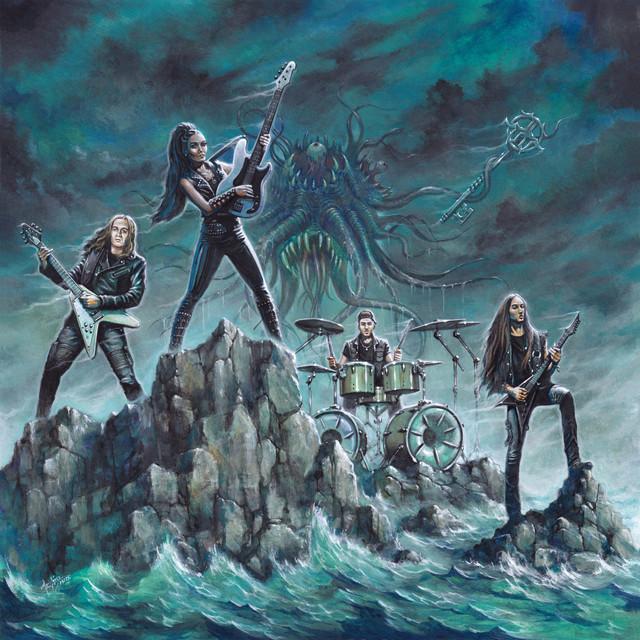
After touring Europe on the festival circuit, they took on North America. They returned to recording with the singles "Aeternam," "Lights On," and Divine Nemesis," in 2020, followed by the long-player Aeternam featuring new drummer Niels Quiase and Life of Agony vocalist Magie (Miranne Dien) on loan. She was replaced by vocalist Barbara Mogore on the road and in the studio. Mogore fronted the band on 2024's Encrypted. ~ Chris True, Rovi
Viberate is a music analytics platform built for A&Rs, artist managers, labels, booking agents, marketers, and artists.
It helps music professionals track artist growth, analyze audience data, monitor playlist activity, compare artists, follow song performance, and identify opportunities across the music market.
Public artist pages provide a free preview of selected artist data. Paid plans provide access to deeper analytics, historical data, charts, comparisons, playlist tools, exports, alerts, reports, and additional professional features.
Yes. Public Viberate artist pages provide selected artist analytics and music data for free.
Viberate also offers a 7-day free trial of the full platform. A credit card is required to start the trial. The trial includes access to the complete product so users can test deeper artist analytics, historical views, playlist insights, comparisons, charts, exports, alerts, and reporting features before choosing a paid plan.
Viberate provides artist analytics across streaming, playlists, social media, video, radio airplay, songs, and audience markets.
Users can analyze Spotify performance, Spotify and Apple Music playlists, YouTube activity, TikTok and Instagram growth, radio spins, song performance, audience locations, demographics, rankings, and overall artist momentum.
Artist profiles also connect to music charts, similar artists, and comparison tools, helping users benchmark performance and evaluate artists in context.
Viberate updates key artist and track data daily.
For followed artists and tracks, selected data is refreshed multiple times per day. This helps teams monitor playlist changes, streaming movement, audience growth, releases, and campaign performance with more current data.
Update frequency can vary depending on the metric and data source.
Yes. Viberate lets users compare up to five artists side by side across streaming, social media, audience, and engagement metrics.
Users can compare fanbase growth, audience demographics, locations, Spotify performance, social metrics, and other artist data over selected time periods.
Artist comparison can be used for A&R scouting, benchmarking, booking decisions, campaign planning, and evaluating artists with similar audiences or market positions.